Cameroon Braces for Worsening Food Insecurity in 2026 Amid Expanding Crisis and Emergency Levels
Yaoundé, Cameroon – Food insecurity in Cameroon is projected to deteriorate significantly in 2026, with Crisis (IPC Phase 3) and Emergency (IPC Phase 4) conditions expected to expand across multiple regions, despite temporary relief from recent main harvests. This development, highlighted in a recent UN Office for the Coordination of Humanitarian Affairs (OCHA) report covering events from December 30, 2025, to January 5, 2026, signals heightened risks of malnutrition and related health crises for millions.
The analysis, drawn from the Famine Early Warning Systems Network (FEWS NET) and the Cadre Harmonisé early warning system, underscores a reversal of short-term gains. While the 2025 main harvests provided some respite, underlying drivers such as ongoing armed conflicts, economic pressures, and climatic shocks are poised to drive acute food shortages. In the Far North region, particularly vulnerable areas are anticipated to see intensified outcomes, exacerbating an already precarious humanitarian situation.
Details of the Projected Deterioration
According to the OCHA infographic referenced in the report, food insecurity levels are set to broaden in scope. IPC Phase 3 (Crisis) indicates households facing significant food consumption gaps, often resorting to coping strategies like selling productive assets or reducing essential expenditures on health and education. Phase 4 (Emergency) signals even graver threats, with high levels of acute malnutrition and excess mortality likely without external aid.
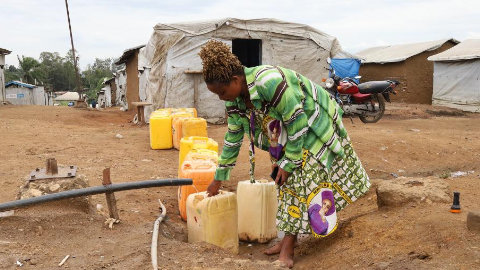
The Far North region, long plagued by Boko Haram insurgency and intercommunal violence, is explicitly flagged for worsening conditions. This area, home to over 1.5 million internally displaced persons (IDPs) as per recent UN estimates, has chronically high malnutrition rates. Complementary data from prior FEWS NET reports indicate that lean seasons starting mid-2026 could push populations into these elevated phases, particularly in departments like Mayo-Tsanaga and Logone-et-Chari.
Nationwide, the projections align with Cadre Harmonisé findings, which harmonize food security analyses across West and Central Africa. Despite a slight improvement in late 2025 due to harvests of maize, sorghum, and millet, market disruptions and high staple prices—fueled by inflation and fuel shortages—limit accessibility for vulnerable groups including IDPs, refugees, and poor rural households.
Health Implications and Humanitarian Context
Food insecurity poses direct threats to public health in Cameroon, where malnutrition already contributes to elevated child stunting and wasting rates. The World Health Organization (WHO) reports that acute malnutrition affects over 5% of children under five in the Far North, with global acute malnutrition (GAM) rates exceeding emergency thresholds of 15% in some hotspots. A slide into IPC 3 and 4 could amplify risks of diseases like measles, diarrhea, and respiratory infections, which thrive amid weakened immunity from hunger.
Cameroon's health system, strained by multiple crises, faces compounded challenges. The country hosts over 400,000 refugees from neighboring Central African Republic and Nigeria, alongside 1.2 million IDPs, per UNHCR data as of late 2025. In the Northwest and Southwest regions, the Anglophone crisis has displaced over 700,000 since 2016, disrupting farming and access to markets. These conflicts limit humanitarian access, with NGOs reporting increased incidents of aid convoy attacks.
Economic factors compound the issue: Cameroon's GDP growth hovered around 3.7% in 2025 per World Bank figures, but poverty affects 37.5% of the population. Inflation on food items reached double digits in 2025, driven by global commodity shocks and local supply chain breakdowns from flooding and poor road infrastructure.
Background on Cameroon's Food Security Challenges
Cameroon's food insecurity stems from a confluence of protracted conflicts, adverse weather, and structural vulnerabilities. The Far North has endured Boko Haram attacks since 2014, displacing communities and destroying livelihoods. The Anglophone crisis, escalating in 2017, has halved agricultural output in affected areas. Climate change exacerbates this: erratic rainfall and floods in 2024-2025 damaged 20% of crops, according to government assessments.
Prior FEWS NET outlooks, such as the October 2025 report, forecasted Stressed (IPC 2) to Crisis conditions persisting through early 2026, with Emergency pockets emerging by the lean season (June-August). The latest OCHA update builds on this, projecting expansion into additional regions like the Adamawa and East, where refugee influxes strain resources.
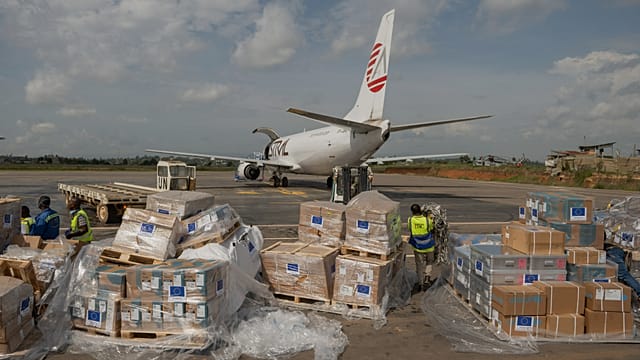
Humanitarian response has scaled up, with the UN's 2026 Cameroon Humanitarian Response Plan seeking $606 million to assist 3.1 million people. Partners including the World Food Programme (WFP) and UNICEF emphasize cash transfers, school feeding, and nutrition interventions. However, funding gaps persist—only 40% of 2025 appeals were met—forcing ration cuts.
Outlook and Calls for Action
As 2026 approaches, urgent scaling of interventions is critical to avert a full-blown health emergency. FEWS NET recommends bolstering agricultural resilience through seeds, tools, and market support, alongside conflict mitigation for safe farming. Cameroonian authorities, in coordination with regional bodies like the Lake Chad Basin Commission, are urged to prioritize vulnerable zones.
The OCHA report serves as a stark reminder: without sustained aid and local efforts, short-term harvest gains risk evaporating, plunging more Cameroonians into health-threatening hunger. Stakeholders will monitor lean season indicators closely, with updated analyses expected in coming months.
(Word count: 712)