Building Collapse in Nairobi Leaves Several Trapped, Raises Safety Concerns

Latest from X
Building Collapse in Nairobi Leaves Several Trapped, Raises Safety Concerns
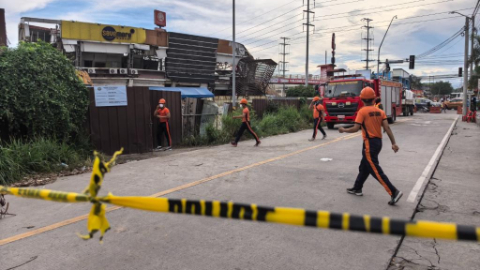
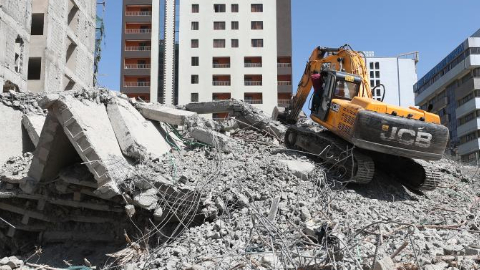
Nairobi, Kenya - A catastrophic building collapse in Nairobi’s South C neighborhood on January 2, 2026, has left at least one person injured and two others missing, with initial reports suggesting up to four individuals may be trapped under the debris. The 16-storey structure, which was under construction at the time of the incident, crumbled in the early hours of Friday, prompting urgent rescue operations and renewed scrutiny over construction safety standards in Kenya’s capital.
According to local authorities and eyewitness accounts, the collapse occurred around 3:47 PM GMT on January 2. Rescue teams, including personnel from the Kenya Red Cross, have been deployed to the site to search for survivors amidst the rubble. While early reports from AP News indicated that four people were believed to be trapped, the latest update from Xinhua confirms one injury and two individuals unaccounted for as of January 4. Efforts to locate and rescue those still missing continue, with officials cautioning that the numbers could change as more information becomes available.
Nairobi City County officials revealed that the collapsed building had been cited for safety violations on multiple occasions in 2025, as reported by Capital FM. Despite these warnings, construction reportedly continued, raising serious questions about oversight and enforcement of building regulations. “We had flagged this project several times for non-compliance,” a City Hall spokesperson stated, though no specific reasons for the collapse have been confirmed. Speculation about poor construction materials and inadequate structural design has surfaced, though authorities have yet to release an official cause.
Background: A Recurring Tragedy in Kenya
Building collapses are not uncommon in Kenya, where rapid urbanization and lax enforcement of construction codes often lead to deadly accidents. Nairobi, a bustling hub with a growing population, has seen several such incidents in recent years, often attributed to substandard materials, corruption, and inadequate inspections. In 2019, a six-storey building collapse in the city killed at least seven people, and similar tragedies have occurred sporadically, highlighting systemic issues in the construction sector.
The South C area, known for its mix of residential and commercial developments, has been a focal point for new high-rise projects. However, the pace of development often outstrips regulatory capacity, leaving many structures vulnerable. The National Construction Authority (NCA) and the Nairobi County government have faced criticism for failing to prevent such disasters, with public frustration mounting over perceived corruption and negligence.
Public Reaction and Ongoing Concerns
Posts found on X reflect a mix of horror and anger among Kenyans following the South C collapse. Many users have pointed to systemic failures, with some accusing authorities of ignoring safety violations due to corruption. Others have shared images and videos of the rescue efforts, emphasizing the urgency of the situation and calling for stricter regulations to prevent future tragedies. While these sentiments echo broader public concerns, official investigations are still pending to determine accountability.
Outlook: A Call for Reform
As rescue operations continue, the focus is shifting toward ensuring the safety of other ongoing construction projects in Nairobi. The collapse has reignited demands for comprehensive reforms in Kenya’s building sector, including stricter enforcement of safety codes, regular inspections, and harsher penalties for non-compliance. Government officials have promised a thorough investigation into the South C incident, but for many Kenyans, such assurances ring hollow without tangible action.
The human toll of this disaster remains the immediate priority. Families of those missing await news, while rescue teams work tirelessly against the odds. This tragedy serves as a stark reminder of the urgent need to prioritize safety over speed in Kenya’s urban development, a lesson that must be heeded to prevent further loss of life.
Track this story live
Original Sources
- •
- •
- •
Editorial process: This article was synthesized from the original sources cited above using The World Now's AI editorial system, with byline accountability from our editorial team. We grade every story for source grounding, factual coherence, and on-topic match before publication. Read more about our editorial standards and contributors. Spot something inaccurate? Let us know.
Last updated: January 17, 2026