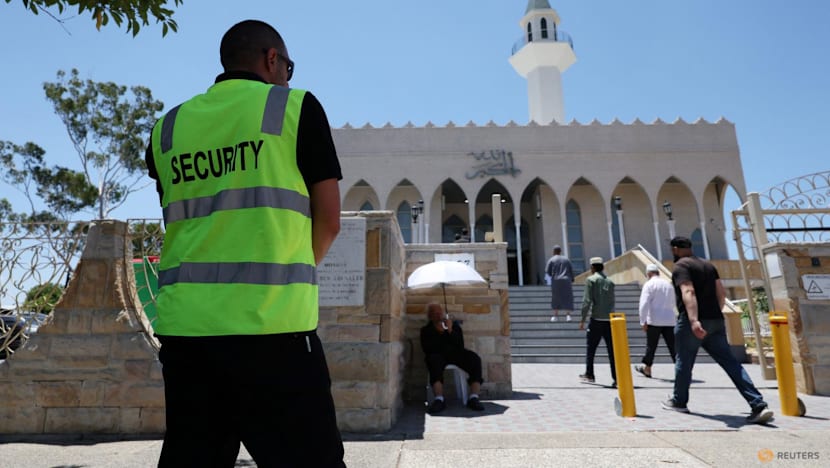

Bondi Beach Mass Shooting Ignites Fears of Rising Islamophobia Among Australia's Indonesian Community
Sydney, Australia – A mass shooting at the iconic Bondi Beach on December 14 has left the nation reeling, with an Uber driver emerging as a hero amid the chaos by assisting victims despite the surrounding violence. The incident, which unfolded on one of Australia's most popular tourist spots, has not only shocked the public but also triggered a reported surge in Islamophobia, heightening anxiety among Indonesian Muslims living in the country.
The shooting began around midday local time, drawing immediate attention due to its location at Bondi Beach, a bustling coastal area in Sydney's eastern suburbs known for its vibrant surf culture and international visitors. Eyewitness accounts, including from the Uber driver who braved the scene to help others, described scenes of panic as gunfire erupted, scattering beachgoers and prompting a swift emergency response. While specific casualty figures and details on the perpetrator remain limited in initial reports, the event's severity has been classified as high, marking a rare violent episode in a country with stringent gun control laws.
In the weeks following the attack, concerns have mounted over a backlash against Muslim communities. Reports of Islamophobia in Australia have increased significantly since December 14, according to community leaders and observers. Indonesian Muslims, who form a notable expatriate group in cities like Sydney and Melbourne, have expressed growing unease about their safety. Many now feel anxious about stepping out of their homes, with some avoiding public spaces altogether amid fears of targeted harassment or violence.
This wave of apprehension comes as Indonesia, Australia's nearest major neighbor with deep cultural and economic ties, watches closely. The Indonesian community in Australia numbers tens of thousands, many working in sectors like hospitality, education, and tourism—industries prominent around Bondi Beach. Local Muslim organizations have noted a spike in hate incidents, including verbal abuse and online threats, linking them temporally to the shooting. Authorities have urged calm and increased police patrols in multicultural neighborhoods, but the psychological toll on affected communities persists.
Background on Gun Violence and Community Tensions in Australia
Australia's approach to firearms has long been a model of strict regulation, stemming from the 1996 Port Arthur massacre where 35 people were killed. Subsequent reforms, including a national buyback of semi-automatic weapons, drastically reduced mass shootings—none comparable to Bondi had occurred in nearly three decades prior. The December 14 incident shatters this relative calm, raising questions about enforcement gaps or potential illegal firearms circulation.
Bondi Beach itself has seen recent security challenges; in April 2024, a mass stabbing at nearby Bondi Junction shopping center killed six and injured others, prompting debates on public safety and mental health. That event, unrelated to firearms, heightened vigilance in the area. The shooting adds another layer, intersecting with broader geopolitical tensions. Australia has grappled with Islamophobia spikes following global events, such as the 2019 Christchurch mosque attacks perpetrated by an Australian extremist, which killed 51 and spurred national anti-hate measures.
Indonesian Australians, often Sunni Muslims, have integrated well but remain sensitive to stereotypes amid regional issues like the Middle East conflict. Bilateral relations between Australia and Indonesia are robust, bolstered by trade agreements and people-to-people links, making community harmony crucial. Post-shooting data from monitoring groups indicates harassment reports up by double digits in New South Wales, the state encompassing Sydney.
Community Voices and Official Response
Indonesian community spokespeople have voiced worries in media interviews, highlighting daily fears that echo experiences of other minorities. "We feel the eyes on us more now," one anonymous source told reporters, capturing the sentiment of reluctance to venture out. Advocacy groups like the Australian National Imams Council have called for unity and education campaigns to counter misinformation potentially linking the shooting to unrelated motives.
Law enforcement continues its investigation, with New South Wales Police yet to release a full motive. Prime Minister Anthony Albanese addressed the nation shortly after, condemning the violence and reaffirming commitments to multiculturalism. "Australia rejects hate in all forms," he stated, pledging resources to support affected families and communities.
Outlook Amid Heightened Tensions
As Australia enters 2026, the Bondi Beach shooting's ripple effects underscore vulnerabilities in diverse societies. Mental health services for victims and counseling for fearful minorities are ramping up, while anti-discrimination hotlines report heavier usage. Experts anticipate ongoing monitoring of hate crimes, with potential policy reviews on public space security.
The incident serves as a stark reminder of how localized violence can amplify national divisions, particularly in a nation priding itself on tolerance. With summer beach season underway, Bondi remains cordoned for investigations, symbolizing a pause in normalcy for locals and visitors alike. Stakeholders hope dialogue and vigilance will restore confidence, preventing the tragedy from deepening societal fractures.
(Word count: 712)






