
Bolivia's Military Plane Crash: A Deeper Look into the Consequences Beyond the Tragedy
Immediate Aftermath: The Human Toll and Response
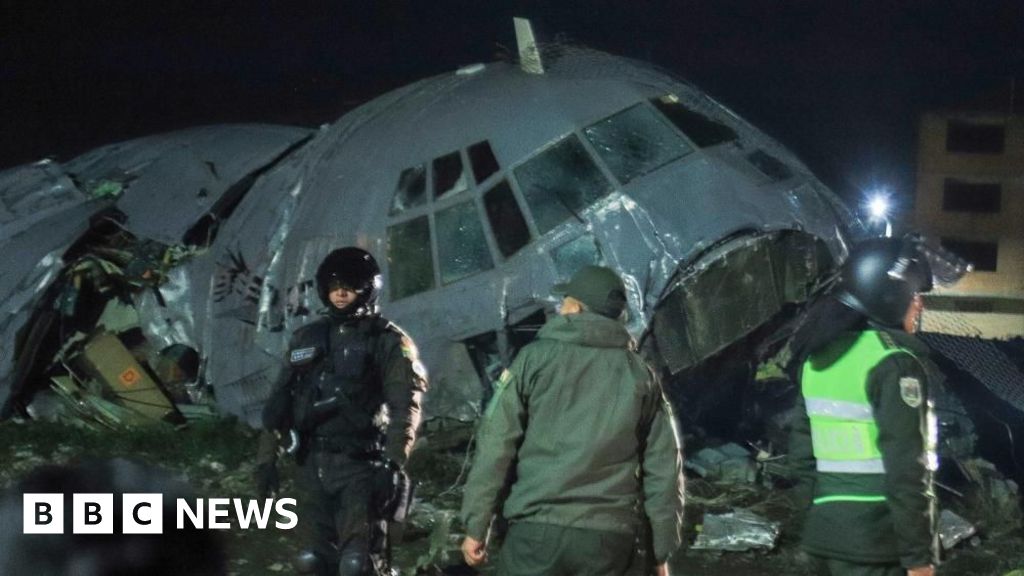
A Bolivian military cargo plane crashed shortly after takeoff from El Alto International Airport in La Paz on Saturday, killing at least 20 people on board. The aircraft, a C-130 Hercules reportedly carrying a significant load of banknotes for distribution, plummeted into a nearby ravine, erupting in flames. Confirmed casualties include 18 military personnel and two civilians, with no survivors reported. Rescue teams from the Bolivian Air Force, national police, and civilian agencies mobilized swiftly, recovering the black box and securing the site amid challenging high-altitude terrain. President Luis Arce declared a national day of mourning, vowing a thorough investigation by the Joint Aviation Investigation Board.
Historical Context: Lessons from Past Aviation Disasters
This tragedy echoes the February 28, 2026, military cargo plane crash near Cochabamba, where a similar C-130 went down due to mechanical failure, claiming 14 lives. That incident prompted temporary grounding of Bolivia's aging fleet and promises of safety overhauls, including stricter maintenance protocols under the Bolivian Aeronautical Authority (DGAC). Yet, critics argue lessons were overlooked: Bolivia's military aviation relies on decades-old Soviet-era and U.S.-surplus aircraft, with safety regulations evolving sluggishly since the 1990s. Post-2026 reforms emphasized pilot training but fell short on fleet modernization, leaving vulnerabilities exposed once more.
Economic Implications: The Cost of Military Logistics
Beyond the human loss, the crash inflicts a heavy financial blow. The plane, valued at millions, was transporting undisclosed millions in banknotes—potentially exacerbating liquidity issues in Bolivia's cash-strapped economy amid inflation hovering at 5%. Replacement costs could strain the defense budget, already 1.2% of GDP, diverting funds from infrastructure or social programs. Public outrage may fuel debates on military spending, with opposition leaders questioning the wisdom of using transport planes for monetary logistics, risking taxpayer money and eroding trust in fiscal management.
International Relations: A Shift in Geopolitical Dynamics?
The incident spotlights Bolivia's precarious defense posture in a tense Andean region. Partnerships with Russia and China for aircraft parts may face renewed scrutiny, while U.S. sanctions complicate access to Western tech. Neighbors like Brazil and Peru, wary of instability, could reassess joint border patrols. Speculation mounts that La Paz might seek deeper ties with Venezuela or Iran for aviation support, altering South American alliances.
What People Are Saying
Social media erupts with grief and demands: Bolivian user @LuzPaz tweeted, "Another crash? 2026 all over again—when will they modernize? #BoliviaCrash." Aviation expert @AeroAnalystBR posted, "Banknotes aboard? Reckless logistics amid known fleet risks." President Arce's statement garnered 50K retweets: "We mourn our heroes and commit to justice."
Looking Ahead: What This Means for Bolivia
Expect intensified DGAC audits, possible fleet groundings, and parliamentary probes into procurement corruption. International aid offers from allies could reshape partnerships, while public pressure may spur defense policy shifts toward safer, diversified aviation. Increased scrutiny promises overdue reforms—or deepened distrust.
This is a developing story and will be updated as more information becomes available.
(Word count: 600)