Anti-U.S. Rally Sparks Civil Unrest in Caracas Amid Escalating Tensions

Latest from X
Anti-U.S. Rally Sparks Civil Unrest in Caracas Amid Escalating Tensions
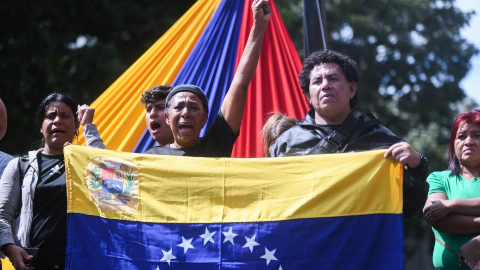
Caracas, Venezuela - Thousands of Venezuelans took to the streets of Caracas on January 4, 2026, in a powerful display of public discontent, rallying against recent U.S. military actions in the country. The protest, marked by a medium level of severity, reflects growing tensions between the United States and Venezuela following a series of dramatic events, including reported U.S. strikes and the capture of President Nicolás Maduro. The rally, which began in the early hours of Sunday morning, underscores the deepening political crisis in the South American nation.
According to reports from Xinhua, demonstrators in Caracas chanted slogans condemning U.S. intervention, waving national flags and holding signs denouncing what they described as imperialist aggression. The protest comes on the heels of U.S. military strikes on Venezuelan targets, which have been widely reported by international media outlets. Many ralliers expressed anger over the perceived violation of national sovereignty, with some calling for unity against foreign interference.
Context of the Unrest
The anti-U.S. rally is the latest manifestation of civil unrest in Venezuela, a country already grappling with economic hardship, political polarization, and international scrutiny. The immediate trigger for the protest appears to be the recent U.S. military actions, which, according to Reuters, occurred on Saturday, January 3, 2026. These strikes have drawn global attention and elicited varied reactions from world leaders, with some condemning the U.S. approach while others express cautious support for actions targeting alleged narco-terrorism networks.
Adding to the volatility, President Nicolás Maduro was captured by U.S. forces and transported to New York to face federal drug charges, as reported by multiple sources including DW and ABC News. This unprecedented move has left a power vacuum in Venezuela, with former U.S. President Donald Trump stating that the U.S. would "run" the country until a safe transition could be ensured, according to the BBC. These developments have inflamed public sentiment, with many Venezuelans viewing the U.S. actions as a direct attack on their national autonomy.
Posts on X from verified accounts, including journalists and commentators, highlight the chaotic atmosphere in Caracas. Reports of explosions in the early hours of January 3, declarations of a nationwide state of emergency by the Venezuelan government, and calls for citizens to take to the streets have circulated widely on the platform, reflecting the intensity of the crisis. While these social media updates provide real-time insights into public sentiment, they also underscore the confusion and fear gripping parts of the capital.
Background of Venezuela’s Political Crisis
Venezuela has been embroiled in a protracted political and economic crisis for over a decade, marked by hyperinflation, food shortages, and mass emigration. The government of Nicolás Maduro, who has been in power since 2013, has faced accusations of authoritarianism and electoral fraud, leading to widespread protests and international sanctions, particularly from the United States. The U.S. has long criticized Maduro’s regime, labeling it a narco-state and imposing economic penalties aimed at pressuring a regime change.
Maduro’s capture and the subsequent U.S. involvement represent a dramatic escalation in this ongoing conflict. The Venezuelan government, prior to Maduro’s detention, accused the U.S. of orchestrating attacks on Caracas, a claim that has fueled anti-American sentiment among segments of the population. The rally on January 4 is seen by many as a direct response to these events, with protesters demanding an end to foreign meddling in Venezuelan affairs.
Outlook Amid Uncertainty
As the situation in Caracas unfolds, the anti-U.S. rally signals a critical juncture for Venezuela. With Maduro in U.S. custody and the country under a state of emergency, the potential for further unrest remains high. International observers are closely monitoring the response from both the Venezuelan populace and global powers, with calls for diplomatic solutions growing louder amid fears of prolonged conflict.
The rally in Caracas, while currently assessed as medium in severity, could escalate if grievances remain unaddressed or if further military actions are taken. For now, the streets of the capital remain a focal point of resistance, as Venezuelans grapple with an uncertain future in the shadow of international intervention. The world watches as this latest chapter in Venezuela’s turbulent history continues to unfold.
Track this story live
Original Sources
- •
Editorial process: This article was synthesized from the original sources cited above using The World Now's AI editorial system, with byline accountability from our editorial team. We grade every story for source grounding, factual coherence, and on-topic match before publication. Read more about our editorial standards and contributors. Spot something inaccurate? Let us know.
Last updated: January 20, 2026