
AIMIM Leader Imtiaz Jaleel Threatens Action Over Hijab Comments Amid Growing Tensions in India
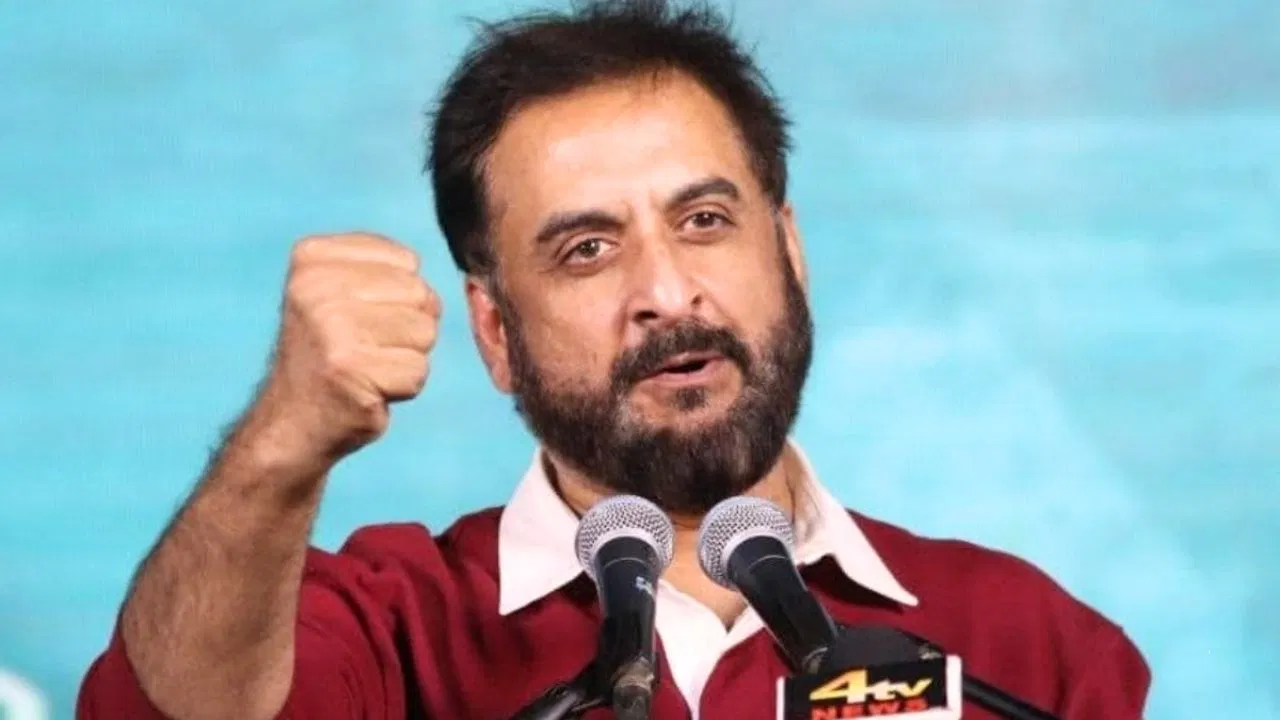
In a rally held in Jalna on January 3, 2026, All India Majlis-e-Ittehad-ul-Muslimeen (AIMIM) leader Imtiaz Jaleel issued a stark warning against the harassment of Muslim women, condemning comments made by a Uttar Pradesh minister regarding the ongoing hijab controversy. Jaleel's remarks come amid a backdrop of increasing tensions surrounding religious attire and women's rights in India.
During the rally, Jaleel asserted, "I will cut off the hand of any individual who dares to touch Muslim women with ill intent." His comments underscored a growing concern among Muslim communities about violence and harassment, particularly in light of inflammatory statements from political figures. The AIMIM leader accused the Bharatiya Janata Party (BJP) and other secular parties of supporting individuals who promote such violence while neglecting the rights and safety of Muslim citizens.
Context of the Hijab Controversy
The hijab issue in India has become a focal point of political and social debate, particularly since incidents involving students wearing hijabs in educational institutions. The controversy gained national attention earlier in 2022 when schools in several states imposed bans on hijabs, prompting protests and legal challenges. The debate has since morphed into broader discussions about religious freedoms, women's autonomy, and the rising instances of communal tensions in a diverse society.
Jaleel's statements reflect the sentiments of many in the Muslim community who feel increasingly marginalized and targeted. His emphasis on protection for Muslim women highlights a significant concern over their safety and agency in a climate marked by rising communal discord.
Political Reactions and Implications
The comments from Jaleel have drawn both support and criticism. Supporters argue that his strong stance is necessary to protect vulnerable communities, while critics contend that such rhetoric could incite further violence and societal division. The response from the BJP and other political entities has yet to be articulated, but the party has historically been critical of AIMIM and its leaders, often framing their narratives as divisive.
This incident follows a series of events in India that have seen various leaders make controversial remarks regarding religious practices and attire, often leading to protests and unrest. The atmosphere remains charged as communities navigate the complex interplay of identity, religion, and politics.
Conclusion
As tensions continue to simmer over issues of religious attire and women's rights, leaders like Imtiaz Jaleel are emerging as vocal advocates for their communities. His warning serves as a reminder of the ongoing struggles faced by marginalized groups in India, especially amidst a political landscape that often seems to exacerbate divisions. The coming weeks may see further developments in this ongoing narrative, as stakeholders from different sides weigh in on the implications of comments made by political leaders and their effects on civil society.
The situation remains fluid, and the ability of leaders to engage constructively will be crucial in navigating these sensitive issues moving forward.






