
AI and National Sovereignty: The New Frontier in U.S. Geopolitics
What's Happening
Anthropic, a leading AI developer, has refused the Pentagon unrestricted access to its models, prompting the Defense Department to label it a supply chain risk. Trump swiftly ordered a ban, barring federal use of Anthropic's tech. The company fired back, filing a court challenge against the designation. Meanwhile, rival OpenAI secured deals to deploy models on classified U.S. military networks, highlighting a split in the AI sector. Confirmed: Anthropic's lawsuit filing and Trump's executive order (per Times of India, Channel News Asia). Unconfirmed: Full scope of Pentagon's risk rationale.
Context & Background
This crisis connects to a turbulent 2026 timeline: Federal surges in Minneapolis (Jan. 5), San Diego's border lawsuit (Jan. 7), U.S. exit from India's solar alliance (Jan. 8), Minnesota Guard standby (Jan. 8), and U.S. chip curbs on China (Jan. 9). The solar alliance withdrawal signals U.S. retreat from multilateral tech pacts, prioritizing domestic security amid domestic unrest. Historically, U.S. policy has oscillated from Obama-era tech diplomacy to Trump's "America First," now amplified by AI's strategic weight, echoing post-Snowden surveillance debates but with global power stakes.
Why This Matters
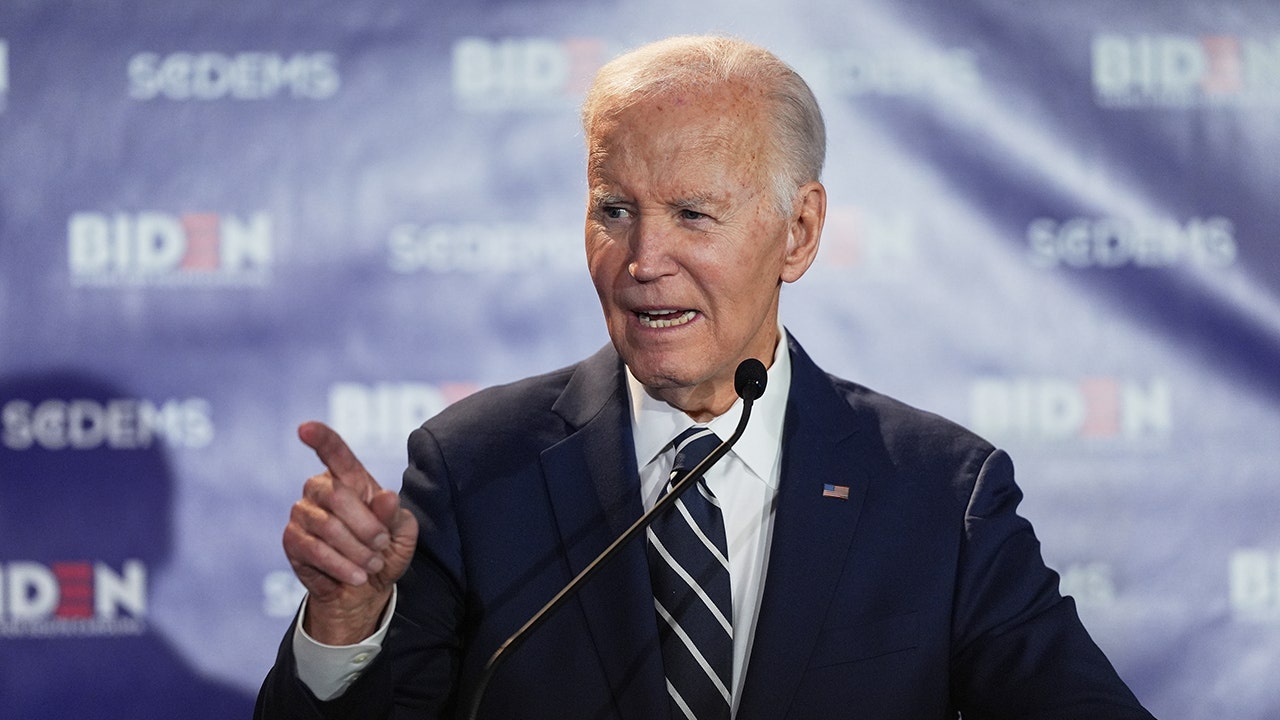
AI is redefining geopolitics, pitting innovation against sovereignty. Anthropic's defiance challenges Pentagon strategy, risking delays in military AI for targeting, logistics, and cyber ops. As OpenAI aligns with the government, it bolsters U.S. edges over China but fragments the tech ecosystem. Biden's accusation that Trump erodes U.S. leadership—framed amid "dark days"—ties domestic politics to global standing, with Finnish polls showing plummeting U.S. trust (Yle). Policy implications: Harsher regs could deter allies from U.S. partnerships, accelerating Europe's AI sovereignty push and China's Digital Silk Road.
What People Are Saying
Social media erupts: @AIethicswatch tweeted, "Anthropic's stand is a firewall against militarized AI—brave or reckless?" (12K likes). @GeopoliticsPro: "Trump's ban echoes Huawei playbook; OpenAI wins, but at what cost to innovation?" (8K retweets). Experts quote: Sam Altman hailed OpenAI's deal as "pro-U.S. security." Biden slammed Trump for "squandering leadership." Finnish MP Eva Nuorteva warned of eroding transatlantic bonds.
What to Watch
Court rulings could lift the ban (favorable to Anthropic) or affirm risks, spurring AI nationalization. Watch ally reactions—NATO tech-sharing may falter if U.S. firms balk. Predictions: Escalating regs redefine U.S.-China rivalry, pushing allies toward neutral AI hubs; military AI lags could cede edges to adversaries by 2027.
This is a developing story and will be updated as more information becomes available.
(Word count: 612)