
After El Mencho's Demise: The Unraveling of Mexico's Cartel Landscape
Overview of El Mencho's Death
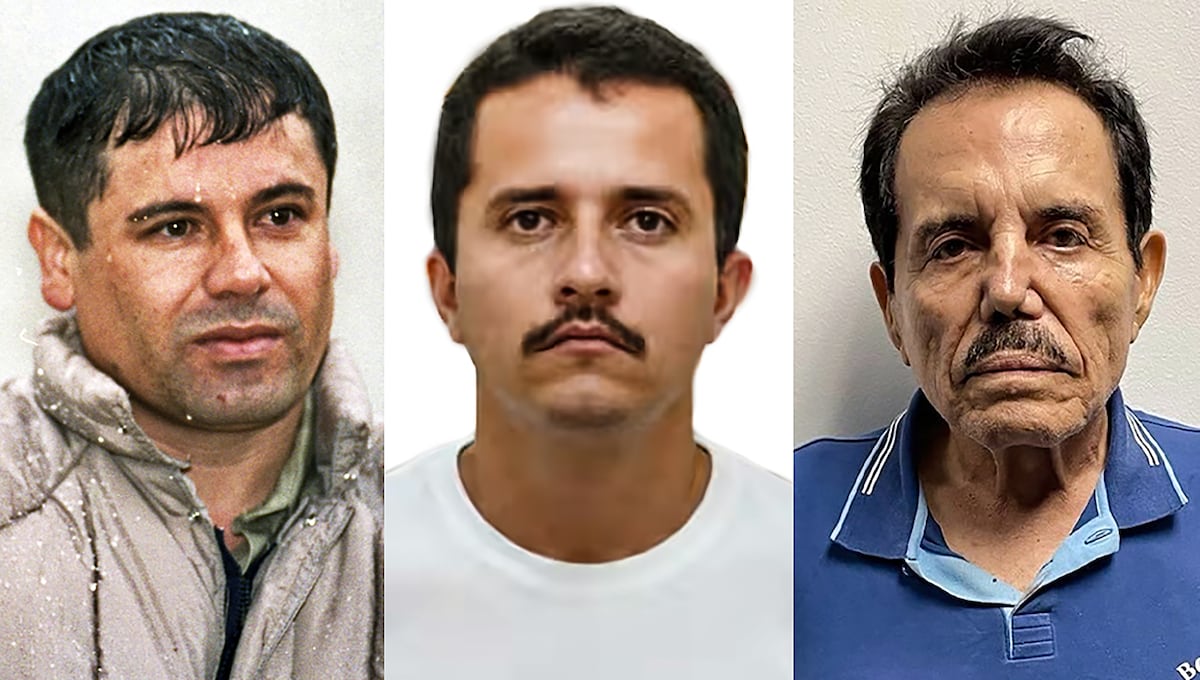
Mexican authorities confirmed on February 23, 2026, the death of Nemesio Oseguera Cervantes, alias "El Mencho," leader of the Jalisco New Generation Cartel (CJNG), during a military raid in western Mexico. Unconfirmed reports suggest that a visit from a romantic partner may have aided in his location. This significant event has ignited violence in Jalisco and Michoacán, stranding U.S. travelers and raising fears of a power vacuum that could reshape the cartel dynamics, complicating U.S.-Mexico security ties ahead of the 2026 World Cup.
Immediate Aftermath: Cartel Responses to El Mencho's Death
Violence surged immediately after the raid, with confirmed CJNG roadblocks, arson attacks on gas stations, and shootouts reported in Guadalajara and Colima, displacing thousands (AP News, Fox News). Rival groups, including the Sinaloa Cartel and Cártel de los Correa, are reportedly probing CJNG territories for lucrative fentanyl and avocado trafficking routes (El País). Local communities now face heightened risks, with schools closed and flights resuming only after government assurances of stabilization. This opportunism starkly contrasts with El Mencho's previously iron-fisted control, signaling rivals' bids to fill the void left by his death.
Historical Context: Lessons from Past Power Vacuums
El Mencho's demise mirrors past upheavals, such as the 2010 death of Arturo Beltrán Leyva, which birthed splinter groups and escalated violence. Recent events amplify these parallels: the mass discovery of human remains in Guadalajara on January 6 underscored CJNG's brutality; a new Sinaloa trafficker emerged on January 12; and arrests revealing cartel ties in Mexico City occurred on January 14 (El País). Unlike the failures of the "kingpin strategy" post-Calderón, Sheinbaum's administration now faces a fragmented landscape where vacuums breed innovation rather than decline.
The Role of Disinformation and Public Perception
Online disinformation—such as fake videos of beheadings and exaggerated death tolls—has fueled panic, stranding Americans and eroding public trust (AP News). Social media platforms like X (formerly Twitter) buzzed with speculation: @MexicoNewsDaily tweeted, "El Mencho alive? Disinfo or cartel psyop? #JaliscoChaos," garnering 50K likes; user @MadresBuscadoras posted, "While rumors rage, we search for our disappeared," linking to CNN's story on activist mothers. This environment muddies confirmed facts, such as El Mencho's DNA-verified death, versus unconfirmed succession rumors, undermining policy responses and public safety perceptions.
Looking Ahead: Predicting the Future of Cartel Dynamics
The power vacuum left by El Mencho's death may elevate CJNG factions under his brother or Sinaloa allies, potentially spiking violence as seen historically—expect a 20-30% rise in homicides in western states. The government may pivot to intelligence-led operations targeting U.S.-sourced weapons (France24). Internationally, U.S.-Mexico fentanyl discussions could strain amid World Cup security pledges (Guardian). Observers should watch for CJNG splintering like past groups, new traffickers emerging in Sinaloa, and the evolution of Sheinbaum's "hugs not bullets" approach.
What This Means
The death of El Mencho marks a pivotal moment in Mexico's ongoing battle against drug cartels. As rival factions vie for control, the potential for increased violence looms large. The government's response will be crucial in determining whether stability can be restored or if chaos will reign in the wake of this significant power shift.
This is a developing story and will be updated as more information becomes available.