
Afghanistan's Geopolitical Turmoil: How US Designations Amplify the Humanitarian Crisis
What's Happening
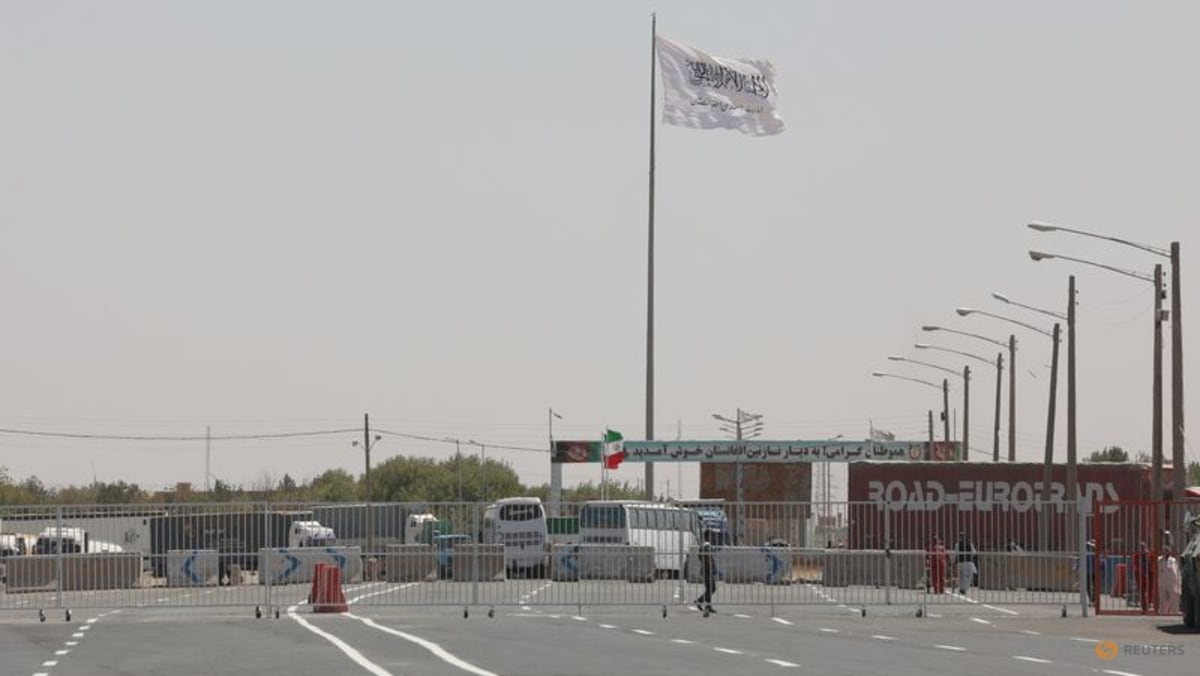
Georgette Gagnon, UN Secretary-General’s Special Deputy Representative, briefed the Security Council on March 9 about escalating threats in Afghanistan. Economic turmoil from Pakistan-Afghan tensions, including airstrikes and trade blockades, is worsening food insecurity and displacement. Gagnon's report emphasizes 'regional instability tightening its grip.' Meanwhile, the US State Department has labeled Afghanistan a state sponsor of wrongful detention due to arbitrary detentions of foreigners, leading to calls for UN aid reviews. This could freeze humanitarian funding, further complicated by Pakistan's blockade and Taliban policies on women's rights.
Context and Background
The crisis escalated on January 20, 2026, when Pakistan imposed a trade blockade over Taliban's handling of cross-border terrorism, drastically reducing Afghanistan's imports and driving up prices. UN humanitarian talks in Kabul on January 25 failed to ease tensions. By February 22, Afghan officials condemned Pakistani airstrikes that killed civilians, leading to diplomatic summons. On March 8, UNICEF called for lifting bans on women in aid roles, linking gender policies to the broader geopolitical conflict. This timeline illustrates how economic and military pressures are fueling the ongoing cycle of instability.
What This Means
The US designation heightens risks by deterring NGOs from operating due to potential liabilities, while trade blockades exacerbate food shortages affecting 23 million Afghans in acute hunger, according to UN data. Restrictions on women's rights are alienating donors, reducing aid effectiveness in segregated areas by up to 50%, as per UNICEF. This intersection of geopolitics and humanitarianism could lead to state failure, increasing refugee flows and mirroring past sanctions on Syria, where human rights priorities overshadowed practical aid delivery.
What to Watch
Looking ahead, deteriorating Pakistan-Afghan relations might draw in Iran or India, potentially sparking proxy conflicts by Q3 2026. UN aid reviews could cut deliveries by 30%, triggering refugee surges to over 2 million. Monitor possible sanctions expansions or revival of Doha talks; without Taliban concessions on detentions and women's rights, regional instability in South Asia may intensify over the next 6-12 months.
This is a developing story and will be updated as more information becomes available. (Word count: 602)






