Activist Arrested on Live Broadcast in Michigan Amid Criticism of U.S. Venezuela Policy

Latest from X
Activist Arrested on Live Broadcast in Michigan Amid Criticism of U.S. Venezuela Policy
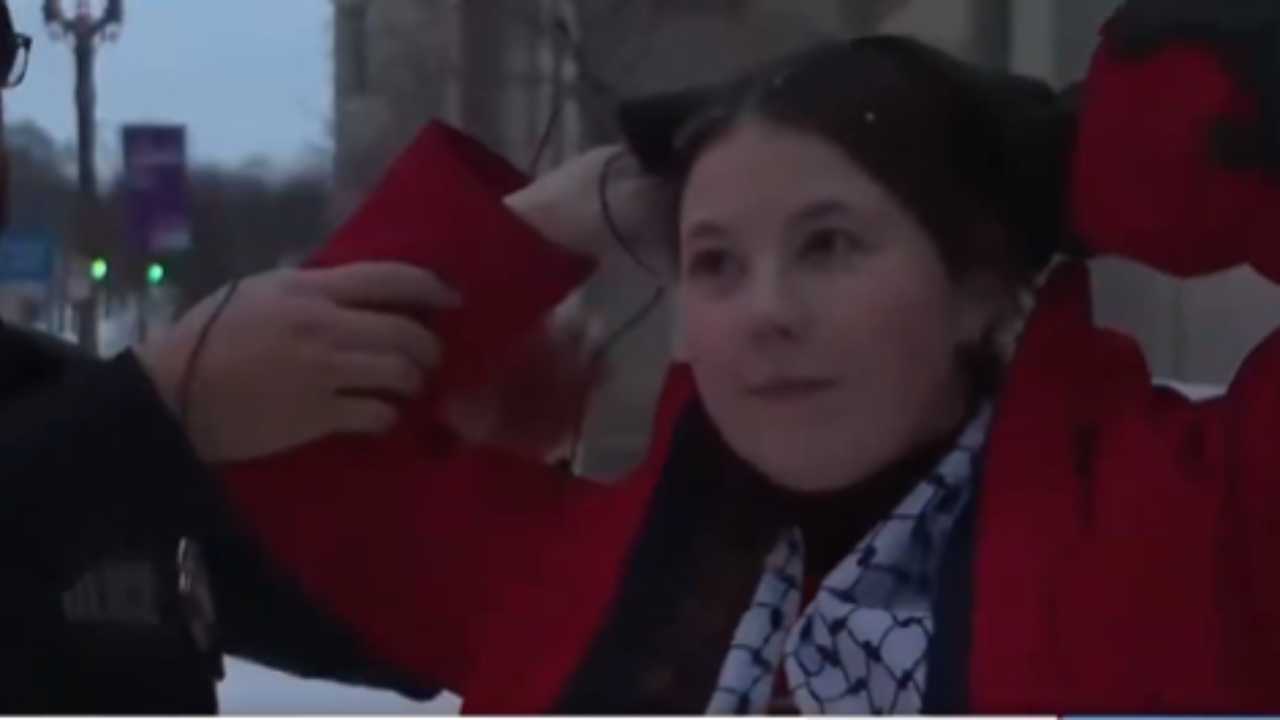
Grand Rapids, Michigan – An activist was dramatically arrested on camera during a live broadcast in Grand Rapids, Michigan, on Tuesday, moments after publicly criticizing U.S. actions toward Venezuela's government under President Nicolás Maduro. The incident, captured in real-time, has ignited online debates about free speech, political dissent, and civil liberties in the United States.
The arrest occurred during what appeared to be an impromptu interview or demonstration, where the woman voiced strong opposition to recent U.S. policies regarding Venezuela, specifically targeting the Trump administration. Video footage shows police approaching her immediately after her remarks, handcuffing her, and leading her away. Local authorities charged her with obstructing a roadway and failing to obey lawful commands, stating that the actions took place during a demonstration that disrupted traffic.
According to police reports cited in initial coverage, the activist was part of a small protest that spilled into the street, prompting intervention to restore order. "The individual was advised multiple times to clear the roadway and comply with officers' instructions," a Grand Rapids Police Department spokesperson said in a statement released shortly after the event. No injuries were reported, and the activist was processed and released pending further legal proceedings.
The woman, whose identity has not been officially released pending formal charges, maintained that her arrest was politically motivated. She alleged it was an attempt to silence dissent against U.S. foreign policy, particularly actions perceived as aggressive toward Maduro's regime. "This is about shutting down voices that question the administration," she stated on the broadcast just before her detention, according to eyewitness accounts and video clips circulating online.
Social Media Backlash and Public Reaction
The video quickly went viral, amassing thousands of views within hours on platforms like X (formerly Twitter). Netizens expressed outrage, with some drawing hyperbolic comparisons to authoritarian regimes. Comments warned of the U.S. becoming a "new North Korea," highlighting fears of eroding First Amendment protections under heightened political tensions. Posts found on X described the activist as a "Trump critic" speaking out against a purported "U.S. raid" or "attack" on Venezuela, though these claims remain unverified and should be treated as inconclusive sentiment rather than confirmed facts.
This online fervor underscores broader concerns about civil unrest and protest policing in the U.S., especially amid polarized debates over foreign policy. While the incident is isolated, it echoes recent protests in various cities where demonstrators have clashed with law enforcement over issues ranging from immigration to international interventions.
Background on U.S.-Venezuela Tensions
The arrest comes against a backdrop of longstanding U.S.-Venezuela friction, exacerbated in recent years. Nicolás Maduro has clung to power since the disputed 2018 presidential election, which the U.S. and much of the international community rejected as fraudulent. The opposition's candidate, Edmundo González Urrutia, was widely recognized by Western nations following the July 2024 legislative elections, where results showed him defeating Maduro amid allegations of vote-rigging.
Under President Donald Trump's second term, which began in January 2025, U.S. policy toward Venezuela has intensified. The administration has maintained crippling sanctions, recognized the opposition-led interim government, and increased diplomatic pressure. Recent reports suggest escalated rhetoric and potential military posturing, though specifics of any "raid" or direct action remain unconfirmed in official channels as of Tuesday afternoon. Maduro's government has accused the U.S. of orchestrating coups and hybrid warfare, arresting opposition figures and protesters in response—moves criticized by human rights groups.
Historically, U.S. interventions in Latin America, from the 1989 Panama invasion to support for regime change in other nations, have fueled anti-imperialist sentiments among activists. In Michigan, a state with a significant Latino population including Venezuelan expatriates, such views are particularly vocal. Grand Rapids, a mid-sized city in West Michigan, has seen sporadic protests related to immigration and foreign policy since the 2024 election cycle.
Civil liberties advocates, including the ACLU, have yet to issue a formal statement on this specific case but have previously warned against overreach in protest policing. The incident's timing—mere hours into January 6, 2026—coincides with the anniversary of the 2021 U.S. Capitol riot, adding symbolic weight to discussions of dissent and law enforcement.
Outlook and Broader Implications
As charges proceed, the case could draw scrutiny from free speech organizations and local lawmakers. Kent County Prosecutor Chris Becker indicated a review of body camera footage would determine if additional charges or dismissals are warranted. The activist's supporters plan a follow-up rally, potentially testing police protocols amid winter conditions.
This event, while of medium severity and not indicative of widespread unrest, highlights simmering divisions over U.S. foreign entanglements. With midterm elections looming and global hotspots like Venezuela in focus, it serves as a flashpoint for debates on where protest ends and public safety begins. Authorities urge peaceful demonstrations, while critics call for transparency to prevent perceptions of political targeting.
In a nation founded on principles of free expression, such arrests inevitably spark questions about balance. As video evidence circulates, public opinion may shape the narrative, but legal outcomes will hinge on facts, not fervor.
(Word count: 748)
Track this story live
Original Sources
- •
Editorial process: This article was synthesized from the original sources cited above using The World Now's AI editorial system, with byline accountability from our editorial team. We grade every story for source grounding, factual coherence, and on-topic match before publication. Read more about our editorial standards and contributors. Spot something inaccurate? Let us know.
Last updated: January 17, 2026






