
A New Phase of Destruction: Russia's Renewed Assault on Ukrainian Energy Infrastructure
Overview of the Recent Attacks
Russia has launched a massive drone and missile barrage on Kyiv, targeting critical energy infrastructure, including nuclear power plant substations. This assault, confirmed on January 20, 2026, has left thousands without power or water amid freezing temperatures. The escalation underscores a psychological warfare tactic aimed at eroding Ukrainian civilian morale while testing international resolve.
Immediate Aftermath of the Latest Attacks
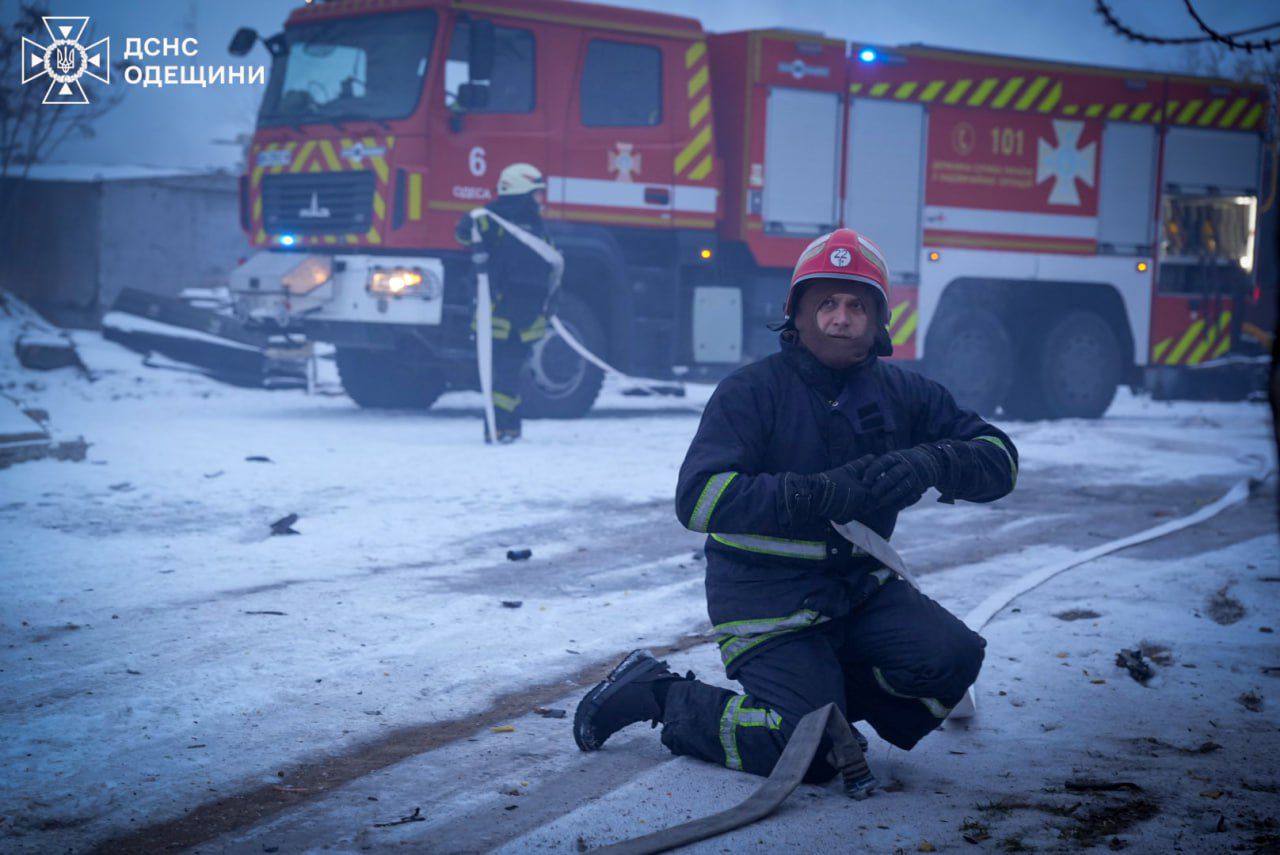
The strikes, involving ballistic missiles and drones—what President Zelenskyy described as "updated tactics"—hit Kyiv overnight, disrupting electricity and water supplies for tens of thousands. Reports confirm damage to substations near nuclear facilities, exacerbating an ongoing energy crisis. Ukrainian air defenses intercepted many projectiles, but blackouts persisted into the morning. Zelenskyy vowed to remain in Kyiv, signaling defiance, while Foreign Minister Dmytro Kuleba urged "urgent support" from allies. Citizens endured chaos: families huddled in metro stations for warmth, with social media flooded by videos of darkened streets and pleas for generators. Local officials activated emergency protocols, distributing water and prioritizing hospitals.
Historical Patterns of Targeted Strikes
These attacks echo a grim pattern from late 2025. On December 31, Russia struck Odesa with drones, injuring six, alongside assaults on the Kyiv region and Melitopol amid offensives. A Ukrainian counter-drone strike in Kherson followed on January 1, 2026. Winter infrastructure targeting—first intensified in 2022—has evolved: from broad blackouts to precise hits on critical nodes like substations. This repetition informs current tactics, wearing down grids rebuilt post-prior raids, and mirrors Russia's strategy to amplify civilian hardship during cold snaps.
The Psychological Toll on Civilians
Beyond physical damage, the strikes inflict deep psychological strain. Repeated blackouts foster despair, anxiety, and "strike fatigue," with mental health experts noting spikes in PTSD-like symptoms. Kyiv residents shared raw accounts online: one tweet from @KyivCitizen ("Another night of terror. Kids crying in the cold—how much more? #StandWithUkraine") garnered 50K likes, while @OlenaHalushka posted, "Resilience isn't infinite. We're breaking." Long-term, this could erode community bonds and enlistment rates, reshaping international views from heroic resistance to humanitarian tragedy, potentially swaying donor fatigue.
International Reactions and Support Dynamics
Global outrage mounted swiftly. UN High Commissioner for Human Rights Volker Türk expressed being "outraged" at attacks on energy sites in freezing weather. The U.S. and EU condemned the barrage amid US-led peace talks. These strikes may galvanize aid: historical precedents show surges post-infrastructure hits.
What This Means for Ukraine and the Global Community
Expect ramped-up international military aid—air defenses, generators—and humanitarian packages as Ukraine's resilience wanes. The deepening crisis could shift negotiations, pressuring Russia via sanctions or forcing Ukraine toward concessions. The international community must remain vigilant and responsive to the evolving situation, as the humanitarian impact continues to grow.
This is a developing story and will be updated as more information becomes available.






