Wheat Price Prediction 2026
AI-powered wheat price prediction connecting real-time geopolitical events to Wheat price movements.
Live price
Wheat
24-hour
0.0%
rolling change
Display in
No live prediction yet. Catalyst monitors Wheat 24/7 and emits a directional call when an event with material impact crosses the wire.
Live event feed
Geopolitical events moving Wheat
Tap any row to expand the AI reasoning, multi-timeframe call, and supporting coverage from The World Now archive.
No recent geopolitical events affecting Wheat. Check back soon — Catalyst monitors events 24/7.
Catalyst reports
Recent Wheat appearances in Catalyst reports
No Catalyst reports mentioning Wheat yet.
Latest analysis
Recent Wheat coverage from The World Now
Live news and analysis tagged to Wheat, drawn from the full World Now archive. Each story informs the Catalyst AI engine's real-time prediction.

Tornado Tracker Parallels: Pakistan's 2026 Severe Weather Onslaught and the Overlooked Economic Devastation on Rural Agriculture
Tornado tracker parallels expose Pakistan's 2026 severe weather onslaught devastating rural agriculture: floods, landslides hit wheat, cotton. Economic crisis looms for farmers.

Afghanistan's 2026 Floods: Undermining Food Security and Rural Livelihoods Amid Rising Climate Pressures
Afghanistan's 2026 floods devastate crops, livestock & food security in Baghlan, Takhar. Rural livelihoods at risk amid climate change. Analysis, impacts & predictions.
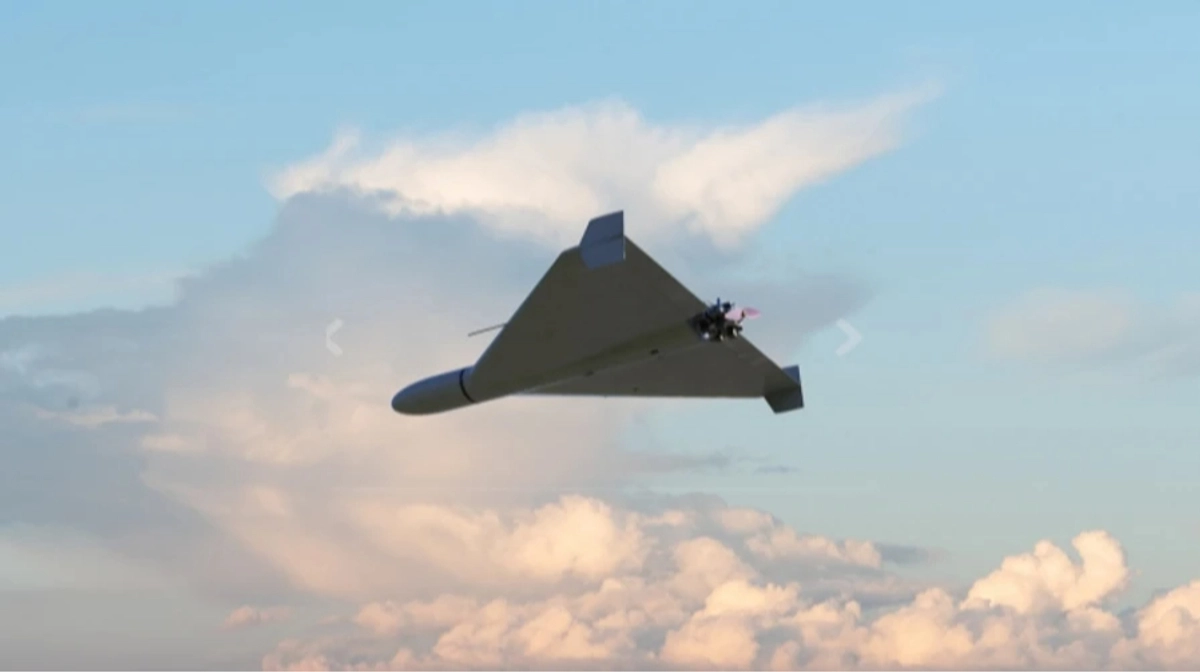
Ukraine War Map: Ukraine's Strike Shadows - The Emerging Crisis in Agricultural Resilience Amid Escalating Conflicts
Ukraine war map reveals Russian strikes devastating Odesa & Kherson farms, eroding agriculture & global food security. Analysis of impacts, trends & market forecasts.
Field guide
How Wheat responds to global events
The fundamentals, geopolitical mechanics, and historical precedents Catalyst weighs when generating each wheat price prediction.
What Affects Wheat Prices?
Understanding wheat price prediction requires analyzing the fundamental forces that drive commodity markets: supply-demand dynamics, central bank monetary policy, inflation expectations, currency movements, and geopolitical risk premiums. Wheat occupies a unique position in global financial markets as both a physical commodity with industrial and consumer demand and a financial instrument that responds to macroeconomic sentiment and geopolitical uncertainty.
Our Catalyst AI engine monitors these interconnected factors in real time, tracing causal chains from specific geopolitical events to their likely impact on Wheat prices. By combining live event data from verified sources with established market dynamics and historical precedents, Catalyst delivers wheat price prediction intelligence grounded in fundamental analysis rather than purely technical patterns.
Geopolitical Risk and Wheat
Geopolitical events are among the most powerful drivers of Wheat prices. Military conflicts in or near major producing regions can disrupt supply chains and trigger immediate price spikes as markets price in potential shortages. The 2022 Russia-Ukraine conflict demonstrated this dynamic dramatically — oil prices surged 30% in two weeks while gold rallied 8% as investors sought safe-haven assets. The magnitude of these moves depends on whether the conflict directly threatens production, refining, or transportation infrastructure.
Economic sanctions and trade restrictions add another layer of geopolitical risk to Wheat markets. When major economies impose sanctions on commodity-producing nations, the resulting supply constraints can persist for months or years, creating structural price support. Conversely, diplomatic breakthroughs and sanction relief can release pent-up supply, pressuring prices lower. Our Catalyst engine evaluates these scenarios using historical precedent analysis to quantify likely price impacts.
Beyond direct supply disruption, geopolitical uncertainty drives demand for Wheat as a store of value and inflation hedge. Central banks and sovereign wealth funds increase commodity allocations during periods of elevated geopolitical risk, creating additional price support. This safe-haven dynamic is particularly strong for precious metals but extends to energy commodities when conflicts threaten global supply chains.
Central Bank Policies and Inflation Dynamics
Central bank monetary policy exerts significant influence on Wheat prices through multiple channels. Interest rate decisions affect the opportunity cost of holding non-yielding commodities — when rates rise, fixed-income investments become more attractive relative to Wheat, creating downward price pressure. When rates fall or central banks engage in quantitative easing, the resulting currency debasement fears and lower opportunity costs tend to support commodity prices.
Inflation expectations are closely tied to Wheat valuations. During periods of elevated inflation, investors historically allocate capital to commodities as a hedge against purchasing power erosion. The post-COVID inflationary surge of 2021-2023 drove significant commodity price appreciation as markets priced in expectations of sustained price increases across the economy. Our Catalyst engine integrates these monetary policy dynamics with geopolitical event analysis to produce comprehensive wheat price prediction forecasts.
Historical Precedents: Wheat During Major Crises
Historical patterns provide essential calibration for commodity price predictions during geopolitical stress. The 1973 oil embargo, the 1990 Gulf War, and the 2022 Russia-Ukraine conflict each caused significant commodity price dislocations, but the magnitude and duration varied based on the scale of supply disruption and the speed of market adaptation. These precedents inform our AI model's impact estimates.
During the COVID-19 pandemic, commodity markets experienced unprecedented volatility — oil briefly traded at negative prices in April 2020 due to demand collapse and storage constraints, while gold surged to record highs as central banks launched massive stimulus programs. The subsequent recovery saw broad commodity price increases as supply chains struggled to meet rebounding demand. These episodes demonstrate how global crises create both risks and opportunities in Wheat markets, patterns that our Catalyst engine systematically identifies and quantifies.
Frequently asked
Questions about Wheat
Direct answers covering forecast cadence, accuracy, drivers, and how Catalyst processes geopolitical shocks into prediction signals.
Our Catalyst AI engine updates Wheat forecasts every 15 minutes by analyzing live geopolitical events, supply chain disruptions, and macroeconomic data. Each forecast includes a specific direction, estimated percentage impact, confidence level, and expected timeframe — providing continuously refreshed intelligence rather than static annual predictions.
Related commodity assets
Continue across the commodity universe
Catalyst engine
Real-time Wheat predictions across 28 tracked assets
Live event feed, AI-classified market impact, and detailed reasoning per asset — refreshed every 15 minutes against the world's news flow.
Disclaimer: The predictions and analysis on this page are generated by AI based on geopolitical event analysis and should not be considered financial advice. Past performance and historical patterns do not guarantee future results. Always conduct your own research and consult a qualified financial advisor before making investment decisions.