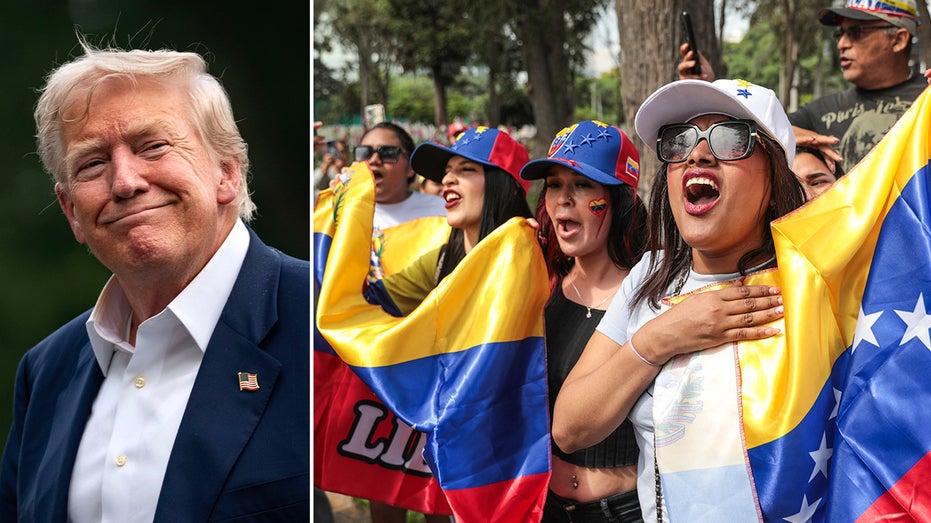

Venezuela Releases Political Prisoners Following Maduro Capture Amid Claims of Russia-US Deal
Washington, D.C. – Venezuela has begun a significant release of political prisoners in the wake of a U.S. military operation that captured President Nicolás Maduro, according to statements from former U.S. President Donald Trump. At least 18 detainees have been freed so far, marking a potential turning point in the country's long-standing political crisis. This development comes shortly after claims surfaced that Russia offered the United States a "free hand" in Venezuela in exchange for concessions related to Ukraine.
Trump, who has maintained a vocal stance on Venezuela since his presidency, announced the prisoner releases on social media over the weekend. "Venezuela has begun releasing political prisoners ‘in a BIG WAY’" after the U.S. operation, he wrote, highlighting the swift action following Maduro's detention. The former president credited the military effort with prompting the immediate response from Venezuelan authorities, though details on the operation itself remain limited in public disclosures.
The captures and subsequent releases underscore escalating geopolitical tensions in the South American nation, where Maduro has clung to power amid widespread allegations of electoral fraud, human rights abuses, and economic collapse. Venezuela's opposition, led by figures like Edmundo González Urrutia—who was recognized by the U.S. as the legitimate winner of the July 2024 presidential election—has long demanded the liberation of thousands of political prisoners. Human rights organizations, including Human Rights Watch and Foro Penal, have documented over 2,000 such cases in recent years, with many detainees held without due process.
Russia's Alleged Offer and Broader Geopolitical Context
Adding a layer of international intrigue, a former adviser to Trump claimed on January 6 that Russia had proposed allowing the U.S. unrestricted influence in Venezuela as part of a quid pro quo involving Ukraine. This assertion, made amid ongoing Russia-Ukraine hostilities, suggests Moscow may have sought to de-escalate U.S. pressure on its Latin American ally to gain leverage in Eastern Europe. Russia has been a staunch supporter of Maduro, providing military advisors, oil expertise, and diplomatic cover at the United Nations since the early 2010s.
While unverified by official channels, the claim aligns with historical patterns of great-power bargaining over Venezuela. During Trump's first term, the U.S. imposed crippling sanctions on Maduro's regime, recognized opposition leader Juan Guaidó as interim president in 2019, and conducted covert operations to disrupt gold smuggling and Iranian fuel shipments. Russia, in turn, deployed Wagner Group mercenaries and strategic bombers to Caracas in 2019, signaling its commitment. The Ukraine war, now in its fourth year as of 2026, has strained these dynamics, with Venezuela serving as a proxy flashpoint.
The timing of the alleged offer—just days before the reported U.S. operation and prisoner releases—raises questions about backchannel negotiations. Neither the Kremlin nor the White House has commented publicly, but Trump's post suggests alignment between U.S. actions and his administration's past aggressive posture toward Maduro.
Background on Venezuela's Crisis
Venezuela's turmoil traces back to 2013, when Maduro succeeded Hugo Chávez amid plummeting oil prices and hyperinflation that reached 1.7 million percent in 2018. Mass protests, suppressed violently, led to over 7,000 deaths according to the United Nations. The 2024 election, marred by opacity, triggered global condemnation and intensified U.S.-led isolation of Maduro.
Russia's involvement deepened post-2014 Crimea annexation, viewing Venezuela as a counterweight to U.S. hegemony in the Western Hemisphere. China and Iran have also propped up the regime with loans and drones, respectively. The U.S. military operation represents an unprecedented direct intervention, echoing Cold War-era actions like the 1989 Panama invasion but in a multipolar context.
Prisoner Releases and Immediate Aftermath
As of January 11, at least 18 high-profile political prisoners have been released, including activists and journalists detained during post-election crackdowns. Venezuelan authorities have not confirmed the totals or outlined further steps, but opposition sources report ongoing negotiations for broader amnesties. The releases could pave the way for transitional governance, though Maduro loyalists in the military and judiciary pose risks of backlash.
International observers, including the Organization of American States, have urged transparency and called for free elections. Brazil and Colombia, key neighbors, have expressed cautious support for stabilization efforts while warning against prolonged U.S. involvement.
Outlook for Stability
The convergence of prisoner releases, Maduro's capture, and whispers of Russo-American horse-trading signals a fragile pivot in Venezuelan geopolitics. Success hinges on inclusive dialogue and economic relief, potentially unlocking sanctions relief and oil sector revival. Failure risks civil war or renewed proxy conflicts. As global powers recalibrate, Venezuela remains a litmus test for multipolar influence in the Americas.
(Word count: 612)




