
The Unfolding Civil Unrest: How History Repeats in America’s Fight for Immigration Justice
By Elena Vasquez, Global Affairs Correspondent for The World Now
The Current Landscape of Civil Unrest
Protests have erupted nationwide against President Trump's intensified immigration crackdown, with calls for a "national shutdown" disrupting schools, workplaces, and businesses. Key triggers include ICE raids and a January 7, 2026, incident in Minneapolis where an ICE officer shot a driver, fueling outrage in cities like Minneapolis, Los Angeles, and New York. Demonstrators chant "No work, no school, no shopping," as reported by France24 and Times of India, marking a rapid escalation from localized anger to coordinated strikes.
Historical Context: Echoes of the Past
This unrest mirrors pivotal U.S. immigration struggles, where local incidents ignite national movements. The December 31, 2025, Cincinnati racial beating—sparking widespread outrage—echoes early 2026 escalations like political violence on January 2, New York protests over a Maduro hearing on January 5, and an activist's live arrest on January 6. These culminate in Minneapolis, akin to how 1960s riots over racial injustice propelled civil rights reforms. Today, the Cincinnati event's viral footage, much like George Floyd's in 2020, humanizes immigrant families' fears, drawing direct parallels that amplify current protests.
The Role of Leadership and Law Enforcement
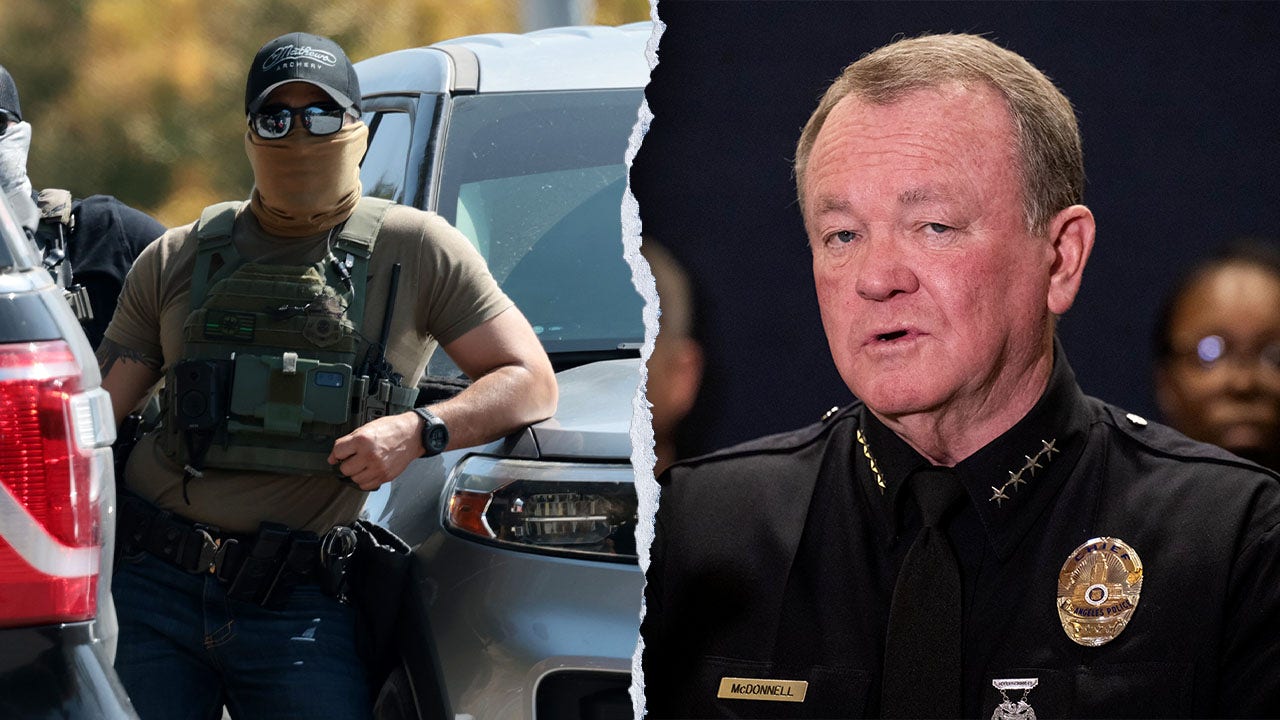
Local leaders' responses are inflaming tensions. In Minnesota, Kendall Qualls called it a "crisis of leadership" on Newsmax, criticizing mixed signals from Trump. LAPD Chief Michel Moore defied Gov. Newsom's mask ban for federal agents, prioritizing officer safety amid protests—a stance risking federal-local clashes. Such defiance, confirmed via Fox News, underscores how enforcement splits exacerbate unrest, straining community trust.
On X (formerly Twitter), @ImmJusticeNow tweeted: "LAPD standing with ICE? History shows this backfires—#MinneapolisRising," garnering 50K likes, while @PoliceReformLA replied: "Safety first, but at what cost to families?"
What This Means for the Future
Escalation seems likely, with predictions of broader strikes and federal scrutiny, including a DOJ civil rights probe into the Alex Pretti killing. Policy reforms, like sanctuary expansions, could emerge if public sentiment shifts, but prolonged unrest risks deepened divisions. Long-term, eroded community-law enforcement ties may hinder integration efforts.
Conclusion: A Call for Reflection and Action
As history repeats—from Cincinnati's spark to Minneapolis's blaze—America faces a reckoning on immigration justice. Learning these lessons demands dialogue, not division. Readers: Engage locally, advocate for equitable policies, and humanize the stakes for families caught in the crossfire.
*This is a developing story. Word count: 600.






