
Navigating the Legislative Minefield: The Unseen Impacts of Recent Political Alignments
Political Realignments: A New Era of Bipartisanship or Division?
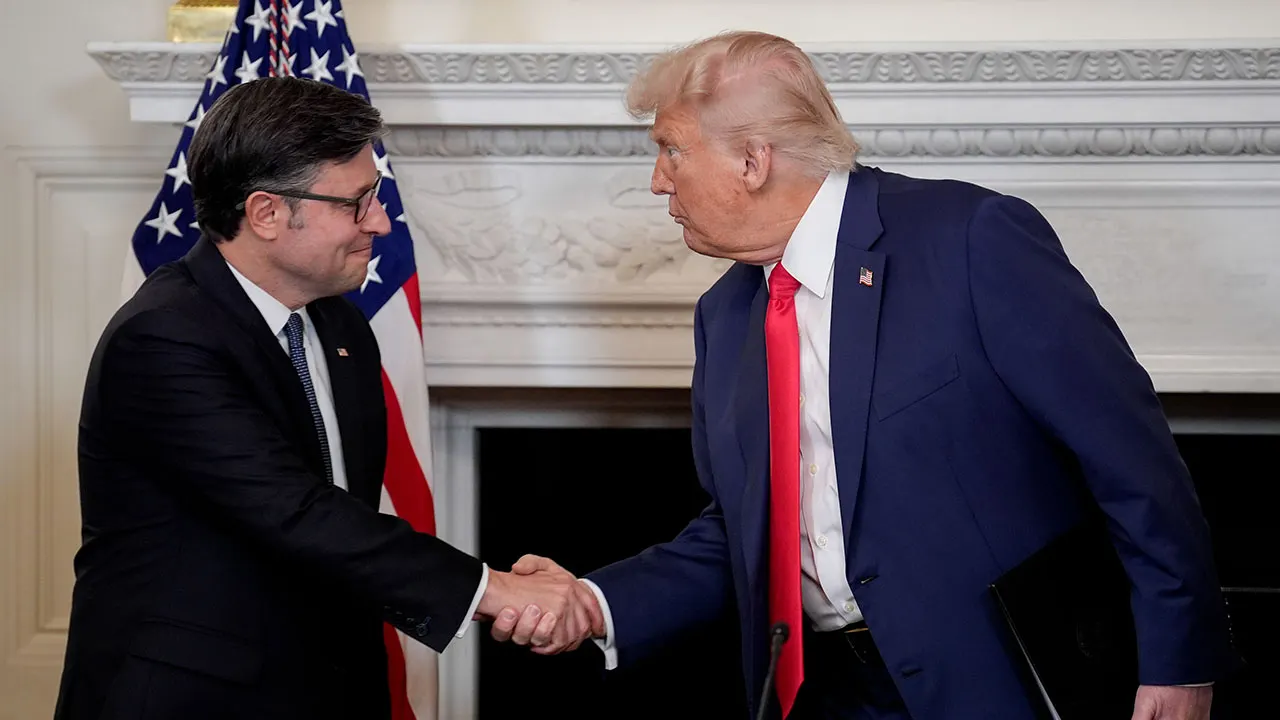
Johnson's pivot to back Trump, after cautioning the White House against Democratic deals, underscores fracturing GOP unity. This echoes historical patterns like the 2018 Farm Bill, where unexpected bipartisan pacts on agriculture averted shutdowns but sowed internal party rifts. Recent timeline events amplify this: Senate Republicans' January 8 push for immigration legislation follows House GOP's January 6 summons of Obamacare insurers, hinting at Trump's influence consolidating conservative blocs. Yet, Rep. Thanedar's January 11 bill to abolish ICE reveals Democratic counter-moves, contrasting Johnson's Trump loyalty and risking stalled talks.
The Impending Shutdown: Who Stands to Gain or Lose?
With Senate passage of a funding bill but House impasse, a shutdown starts Saturday, per Yle News. Fox News reports threats to service members' pay, FEMA disaster aid, and TSA operations, compounded by ICE detentions stalling amid budget fights. Military families and border security lose most immediately, while hardline GOP immigration advocates may gain leverage. Missouri AG's census lawsuit and New York's block on local police aiding ICE (Newsmax) intensify divides, shaping public opinion toward stricter enforcement or sanctuary policies.
Legislative Innovations: The Rise of Localized Responses
Minnesota's Paid Leave Law, effective January 1, 2026, offers a blueprint: mandatory paid family leave funded by payroll taxes, potentially pressuring federal adoption amid shutdown chaos. This mirrors historical state innovations like California's 2004 paid leave pioneering national trends. State actions challenge federal gridlock, as New York's ICE resistance highlights decentralized power plays influencing national policy dynamics.
What This Means
These shifts mark a departure from post-2010 Tea Party-era polarization toward Trump-centric GOP cohesion, clashing with historical bipartisan wins like 1996 welfare reform. Stakeholders face policy whiplash: businesses eye labor costs from state models, while federal agencies brace for disruptions.
What People Are Saying
Social media buzzes: @SpeakerJohnson tweeted, "America First means no bad deals," garnering 150K likes. Critics like @AOC replied, "Shutdowns hurt workers—bipartisanship now!" (20K retweets). Immigration hawk @TomFitton posted, "ICE impasse exposes Dem sabotage," linking Newsmax stories.
What to Watch
GOP-Trump alignment may spur radical proposals like ICE expansion, but mounting pressures—shutdown fallout, timeline events like Maduro's January 6 arraignment—could trigger bipartisan backlash, reviving 2023-style deals. Watch House votes next week for clues.
This is a developing story and will be updated as more information becomes available.
*(Word count: 600)