Iran's Civil Unrest: The Role of Digital Silence in a New Era of Protest
Overview of the Current Unrest
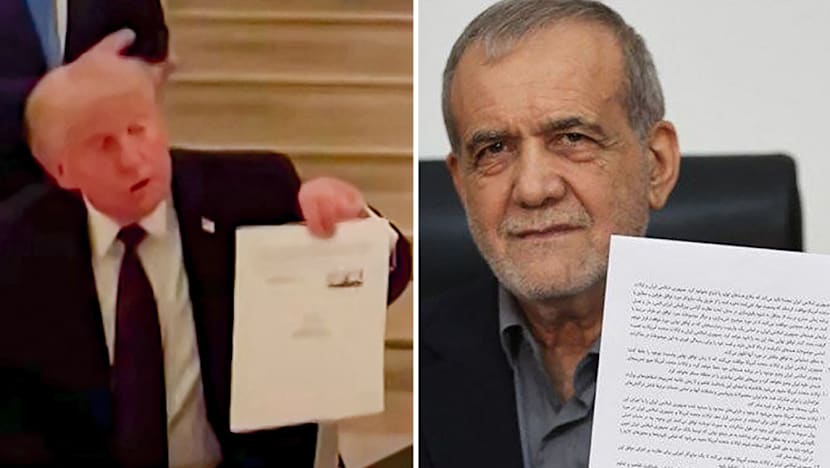
Protests have erupted across Iran since January 1, 2026, initially targeting Supreme Leader Ayatollah Ali Khamenei amid escalating economic woes and widespread demands for reform. By January 2, foreign ministries from various nations voiced support for the protesters, amplifying calls for change. The situation escalated dramatically on January 4, when a government crackdown resulted in the deaths of at least 16 protesters. On January 7, demonstrators in Tehran symbolically renamed a street after former U.S. President Donald Trump, signaling defiance against the regime. By January 9, protests had expanded nationwide, with significant clashes reported in major cities. Security forces have responded with tear gas and live ammunition, while internet blackouts have plunged large areas of the country into digital darkness, hindering coordination but spurring innovative circumvention tactics among protesters.
Historical Context: Protests and Digital Control
Iran's history of protests—from the 2009 Green Movement to the 2019 fuel price riots and the 2022 Mahsa Amini uprising—demonstrates a consistent pattern of escalation met with digital suppression. The Iranian government has long employed internet shutdowns to stifle organization, as evidenced in 2019 when access was cut for a week, severely limiting real-time video sharing. Previous strategies included throttling social media and banning VPNs, yet each wave of protests has adapted: the 2009 protests relied on smuggled footage, while the 2022 protests saw attempts to hack Starlink. Today's unrest mirrors this historical context, with blackouts echoing the tactics of 2019 but facing a more tech-savvy populace that links economic grievances to anti-regime fervor.
The Internet Blackout: Tactics and Responses
The ongoing internet blackout, described by CNN analysts as casting a "bleak future" on connectivity, has severed protesters from essential platforms like Instagram and Telegram, disrupting live streams and mobilization efforts. The impact is profound: without internet access, gatherings now rely on word-of-mouth, reducing their scale but fostering localized resilience. Protesters are circumventing the blackout using satellite phones, mesh networks like Briar apps, and smuggled drones for footage relay. Shortwave radio has resurfaced for broadcasts, while border-crossing couriers share USB drives containing vital information. This "digital silence" forces a shift to analog tactics, slowing momentum but highlighting the limits of censorship in this new era of protest.
International Reactions and Implications
Global responses to the unrest are mounting: U.S. and EU foreign ministries condemned the crackdown on January 2, urging restraint, while statements from Israel tied the unrest to the regime's inherent weakness. Social media influencers are shaping narratives, with beauty mogul Huda Kattan facing backlash after reposting pro-regime content. Twitter users, such as @IranWireEnglish, criticized Kattan, stating, "Kattan's post ignores 16 dead; protests expose regime lies (#IranProtests)." Exiled activists on X (formerly Twitter) are posting smuggled videos, garnering millions of views and countering state media narratives. This amplifies pressure on the regime, potentially inviting sanctions, but also risks Tehran framing the unrest as foreign meddling.
Looking Ahead: Predictions for Iran's Civil Unrest
Historical patterns suggest that protests may wane without digital lifelines, but adaptations could sustain them into February. Public sentiment may harden if crackdowns continue, eroding the regime's legitimacy amid ongoing economic strain. Government strategies might evolve to include targeted surveillance post-blackout, yet international scrutiny could force concessions, such as partial reforms. A shift to hybrid activism—combining digital evasion with street action—could signal a resilient future for Iranian dissent. Potential outcomes include contained unrest with cosmetic changes or escalation if casualties mount, ultimately testing the regime's grip on power.
*This is a developing story. Word count: 600.