
Peru Treads Carefully in US-China Rivalry as US Raid on Venezuela Heightens Regional Tensions
LIMA, Peru — A recent US military raid on Venezuela has thrust Peru into the spotlight of escalating geopolitical rivalries in South America, testing the Andean nation's long-standing strategy of balancing ties with Washington and Beijing. As a vital exporter of minerals to Asian markets, Peru faces mounting pressures to align more firmly with one superpower amid a volatile regional landscape.
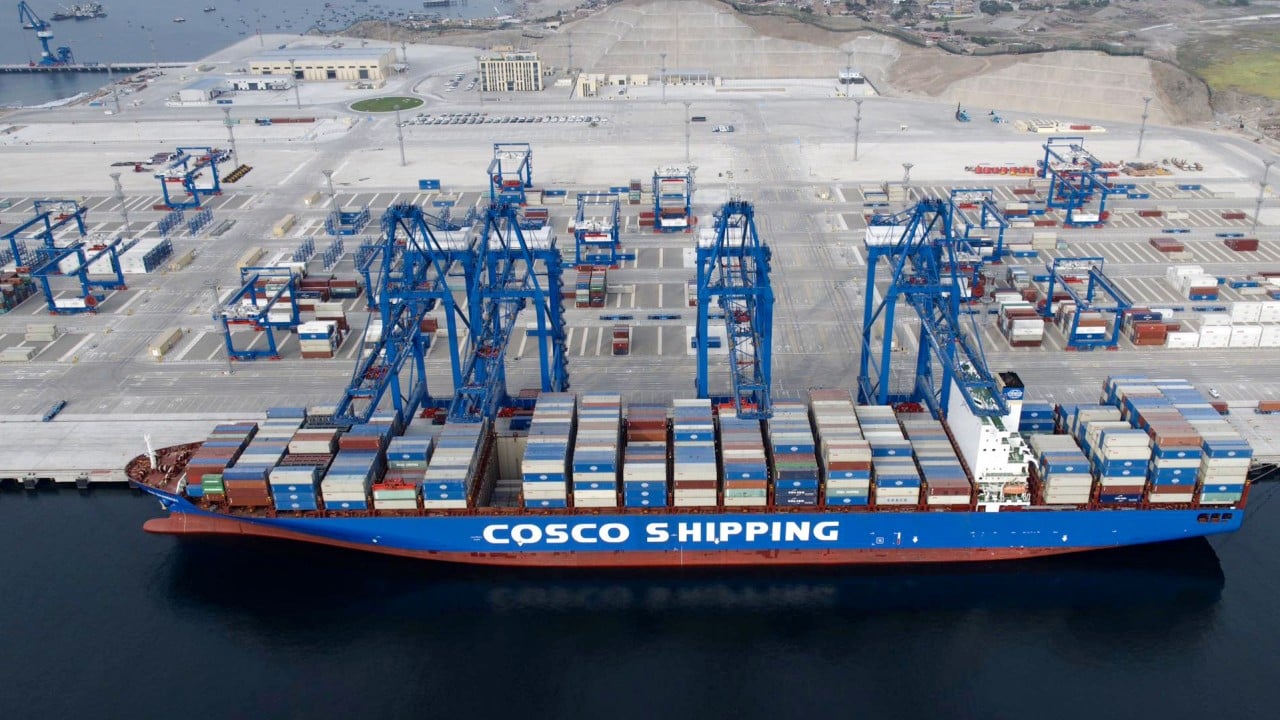
The US operation in Venezuela over the weekend of January 4-5, 2026, has amplified strategic concerns across the continent, particularly the intensifying competition between the United States and China. According to analysts cited in recent reporting, Peru — a key hub for mineral shipments — has historically sought equilibrium in its relations with both powers. China has invested heavily in Peruvian infrastructure, including funding a strategically vital port on the country's Pacific coast, while Peru has remained "broadly aligned" with US interests.
This delicate balancing act comes at a critical juncture for Peru's economy, which relies heavily on mining exports. Peru is one of the world's top producers of copper, a metal essential for global electrification and renewable energy transitions. In 2024, China imported over 60% of Peru's copper exports, underscoring Beijing's economic leverage. The Chancay megaport, developed by Chinese state-owned COSCO Shipping Ports and inaugurated in late 2024, exemplifies this influence. Located 80 kilometers north of Lima, the facility is designed to handle massive container volumes, slashing shipping times to Asia and positioning Peru as a Pacific gateway for South American trade.
Despite these deep economic links with China, Peru maintains strong security and diplomatic alignment with the US. Washington views Peru as a reliable partner in countering Chinese expansion in Latin America. The two nations share a free trade agreement since 2009, which has boosted bilateral trade to over $20 billion annually. Peru participates in US-led initiatives like the Americas Partnership for Economic Prosperity (APEP), aimed at fostering regional supply chains independent of Chinese dominance. Military cooperation includes joint exercises and US training for Peruvian forces, reflecting shared concerns over regional stability.
The Venezuelan raid — described in reports as a targeted US action against Maduro regime assets — has ripple effects for Peru. Sharing a 1,800-kilometer border with Venezuela, Peru hosts over 1.5 million Venezuelan migrants and has long criticized Caracas's authoritarian drift. The incursion underscores US commitment to hemispheric security, potentially pressuring Peru to deepen alignment with Washington. However, any overt shift risks alienating China, Peru's largest trading partner and a financier of key projects like Chancay, which promises to generate thousands of jobs and stimulate GDP growth.
Background: Peru's Mineral Wealth and Great-Power Competition
Peru's geopolitical significance stems from its abundant natural resources. The country ranks second globally in copper production (2.6 million metric tons in 2024) and holds vast reserves of lithium, gold, and zinc. These commodities fuel China's manufacturing boom and the global green energy shift, making Peru a linchpin in supply chains. Bilateral trade with China reached $36 billion in 2024, dwarfing US-Peru commerce.
China's Belt and Road Initiative has poured billions into Latin America, with Peru as a flagship case. Beyond Chancay — estimated at $3.6 billion — Beijing funds highways, railways, and mining ventures. Critics, including some US policymakers, warn of "debt-trap diplomacy" and strategic encirclement, echoing concerns from the Panama Canal to Argentina's space program.
Conversely, the US has ramped up engagement under the Biden-Harris administration and into the new Trump era. Initiatives like the Group of Seven's Partnership for Global Infrastructure and Investment (PGII) counter Chinese projects, while sanctions on Venezuelan oil target Beijing's purchases. Peru's government under President Dina Boluarte, facing domestic protests over mining and inequality, prioritizes economic pragmatism. Foreign Minister Javier González-Olaechea has emphasized "strategic autonomy," navigating polls showing public wariness of over-reliance on either power.
Analysts note Peru's track record of hedging. During the 2022-2023 political crisis, it secured US support for democracy while expanding Chinese investments. "Peru has remained broadly aligned with US interests," observers told the South China Morning Post, even as economic ties with Beijing deepen.
Challenges Ahead in a Volatile Hemisphere
The US-Venezuela clash exacerbates uncertainties. Venezuela's instability has driven migration crises and fueled illicit economies spilling into Peru, including drug trafficking and illegal mining. A hardened US stance could invite Chinese diplomatic overtures to Caracas, complicating Peru's border security.
Economically, global mineral demand remains robust, but trade disruptions — from US tariffs to Red Sea shipping woes — threaten Peru's exports. Chancay's full operations, expected by mid-2026, could double Peru-China trade but draw US scrutiny over dual-use infrastructure.
Looking forward, Peru's diplomacy will be pivotal. Upcoming visits by US and Chinese officials signal intensified courtship. As one analyst put it, the question is whether Peru "can keep both China and the US onside" in this increasingly fraught environment. For now, Lima's multi-vector approach endures, safeguarding its resource-driven prosperity amid superpower jostling.
(Word count: 712)