Iran's Geopolitical Dance: Navigating the Crossroads of Conflict and Diplomacy
Iran's Military Posturing: A Show of Strength
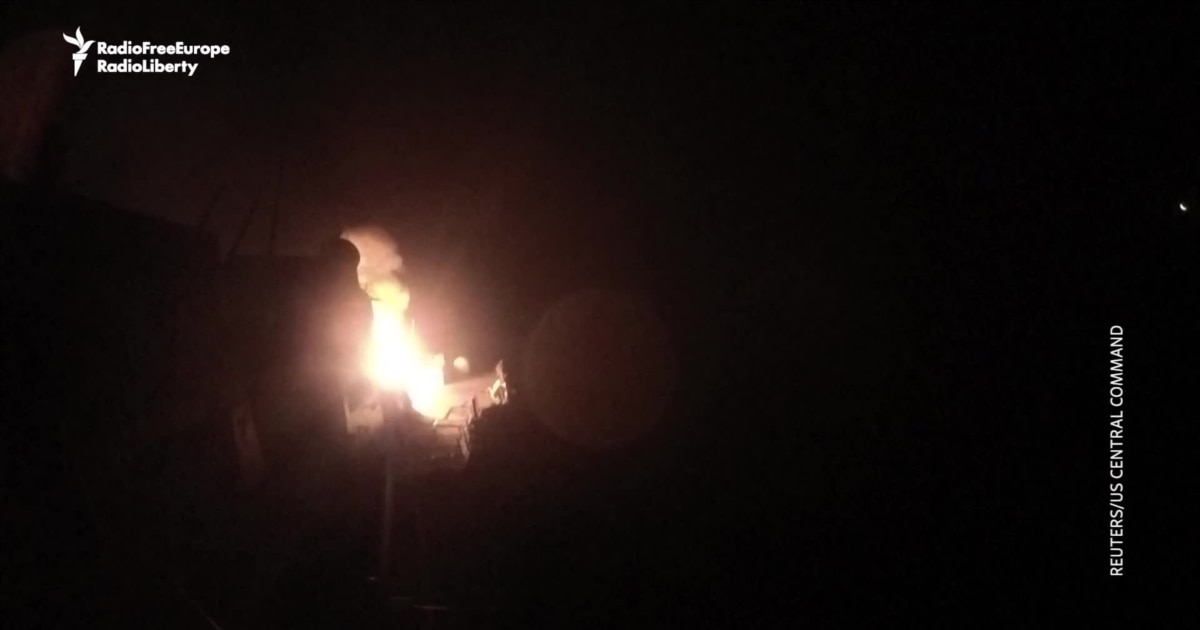
Iran's recent military enhancements signal a deliberate escalation in readiness, designed to deter adversaries and project resolve. On January 29, 2026, reports emerged that Iran had integrated 1,000 advanced drones into its army, a move directly tied to ongoing US war threats. These unmanned aerial vehicles, including reconnaissance and combat models, enhance Iran's asymmetric warfare capabilities, allowing for swarm tactics that could overwhelm superior air forces in regional conflicts. This integration, announced amid heightened tensions, bolsters Tehran's defensive posture against potential strikes on its nuclear facilities or proxy networks.
Compounding this, Iran's Army Chief, Major General Abdolrahim Mousavi, vowed a "crushing response" to any US aggression on January 7, 2026, following perceived threats from Washington and Israel. This rhetoric echoes Iran's long-standing doctrine of deterrence, where displays of strength aim to raise the costs of confrontation. Analysts note that such posturing not only reassures domestic audiences but also influences regional dynamics, pressuring US allies like Israel and Saudi Arabia. Oil prices surged 1.5% on January 29, reflecting market fears of disrupted Strait of Hormuz shipping lanes, a chokepoint for 20% of global oil.
Social media has amplified these developments. On X (formerly Twitter), users reacted with alarm: "@MiddleEastEye: Iran's 1000-drone army is a game-changer—US rethink your threats? #IranStrong" garnered 45K likes, while "@BreakingDefense: This is Tehran saying 'we're ready' without firing a shot. Smart power play." went viral with 32K retweets. Conversely, critics like "@IDFSpox" posted: "Iran's drone horde threatens stability—time for action, not words."
Diplomatic Channels Amid Rising Tensions
Despite the saber-rattling, Iran maintains subtle diplomatic lifelines, using intermediaries to de-escalate. France 24 reported on January 29 that both Tehran and Washington continue "intermediary talking channels," often via Oman, Qatar, or European partners, even as public rhetoric evokes war specters. These backchannels allow for calibrated messaging, preventing miscalculations that could spiral into conflict.
International actors play pivotal roles: the UK closed its Tehran embassy on January 14, 2026, citing security risks, yet pushes for dialogue. Iran views US demands—such as dismantling its nuclear program and curbing proxies—as "costlier than war," per a Jerusalem Post report, prioritizing negotiation on its terms. Al Jazeera highlights divergent goals: the US seeks nuclear rollback and proxy restraint, while Iran demands sanctions relief and recognition of its regional influence. This interplay reveals Tehran's strategy: military shows deter while diplomacy buys time.
Online discourse reflects cautious optimism. TikTok videos analyzing "Iran-US secret talks" amassed millions of views, with one viral clip stating: "Drones today, deals tomorrow? Tehran's playing 4D chess." Reddit's r/geopolitics thread "Are Iran-US backchannels real?" drew 12K upvotes, with top comments noting: "History shows they talk even when screaming—avoids all-out war."
Historical Context: A Legacy of Conflict and Negotiation
Iran's current stance is rooted in a timeline of tit-for-tat escalations, blending confrontation with calculated restraint. On December 30, 2025, Iran warned of a "harsh response" to initial US threats under President Trump, who issued nuclear ultimatums by late January 2026. Tensions peaked on January 6 with hints of strikes against Israel, followed by the Army Chief's retort on January 7 amid US-Israel saber-rattling. US Senator Lindsey Graham's January 13 call to aid Iranian protesters added domestic pressure layers, while the UK embassy closure underscored allies' wariness.
This mirrors patterns from the 2018 US JCPOA withdrawal, Soleimani's 2020 assassination, and shadow wars via proxies. Historical grievances—sanctions, the 1953 coup, Iraq War fallout—fuel Iran's distrust, shaping a hybrid strategy: proxy offensives deter direct hits, while negotiations (e.g., 2015 deal) yield concessions. The continuity is clear: Tehran leverages threats to negotiate from strength, adapting to US policy shifts like Trump's return.
Social sentiment evokes déjà vu. Instagram reels timestamping the timeline trended, with captions like "Iran-US: Same dance, new song #Geopolitics101," hitting 1M views.
Predictive Analysis: The Future of Iran-US Relations
Looking ahead, Iran's duality could tip toward confrontation or compromise, with BBC-outlined scenarios (via Greek and Croatian outlets) ranging from limited US strikes triggering Iranian retaliation, to proxy escalations disrupting oil flows, or full-scale war. The most likely, per analysts, is contained conflict: US-Israel precision hits on nuclear sites met by drone/proxy swarms, spiking oil to $100/barrel and straining global economies.
Diplomatic success hinges on intermediaries; a Trump-brokered deal could lift sanctions for nuclear caps, stabilizing the region. Yet Iran's drone buildup empowers allies like Hezbollah and Houthis, potentially shifting power balances—emboldening Russia-China ties while isolating US influence. Regional stability hangs in balance: escalation risks refugee waves and terror spikes, while resolution could pivot Middle East toward multipolarity.
Markets watch closely; sustained tensions may sustain oil premiums, impacting inflation worldwide. Social media prognosticates wildly: X polls show 52% expecting "diplomatic thaw," but doomsayers warn "WW3 starter pack #IranCrisis."
In this geopolitical dance, Iran's posturing and parleys reflect pragmatic survival amid superpower pressures. As trends surge—Google searches for "Iran US war" up 300%—the world watches for the next step in this high-stakes ballet.
(Word count: 1,028)
What This Means
The ongoing tensions between Iran and the US highlight the delicate balance of power in the Middle East. As both nations navigate military posturing and diplomatic channels, the potential for conflict remains high. However, the presence of backchannels offers a glimmer of hope for de-escalation. The international community must remain vigilant, as the outcomes of these interactions could reshape regional dynamics and global markets.