
Gaza Civil Unrest and New Administration: Gaza Update - 1/29/2026
Current Status
As of January 29, 2026, Gaza is experiencing escalating civil unrest characterized by widespread protests, sporadic clashes with security forces, and disruptions to daily life across major urban centers. The unrest, now in its fourth week, stems from frustrations over governance vacuums, economic hardship, and unfulfilled ceasefire promises. Protesters demand accountability for aid mismanagement, reconstruction delays, and political representation amid a fragile post-conflict landscape.
A pivotal development is the newly formed Gaza Administration Committee, led by its appointed head since January 18. This body, established under Phase Two of the Gaza Ceasefire Plan, aims to oversee local governance, aid distribution, and security coordination. However, its effectiveness is under scrutiny as protests intensify, with reports of over 200 arrests and dozens injured in the past 48 hours. Casualty verification remains contentious; a recent Israeli handover of 15 Palestinian bodies—part of forensic exchanges under ceasefire terms—has fueled debates over total death tolls, with some outlets questioning inflated figures nearing 70,000 amid unrest-related violence.
Humanitarian access is severely restricted, with organizations like Doctors Without Borders (MSF) reporting blocked convoys in Rafah and Khan Younis. Public sentiment is polarized: while some residents express cautious optimism for reforms under the new leadership, others view it as an imposed structure lacking legitimacy. Geopolitically, this intersects with broader Middle East dynamics, including stalled Palestinian Authority (PA) reconciliation and Israel's conditional security oversight.
Recent Developments
- January 27, 2026 (Evening): Protests in Khan Younis escalate into clashes with Gaza security forces loyal to the new administration; at least 12 injured, per local medics. Social media footage shows tear gas deployment, echoing X post from @GazaVoicesNow decrying "reforms delivered via gas canisters."
- January 28, 2026 (Morning): MSF convoy blocked at Rafah crossing amid protester roadblocks; aid workers report unrest hindering medical supplies. X alert from @MSF_Sea highlights "exacerbated crisis."
- January 28, 2026 (Afternoon): New administration head holds first public address, pledging "transparent aid distribution and inclusive governance." Response mixed—praised by PA officials, jeered by protesters in Gaza City.
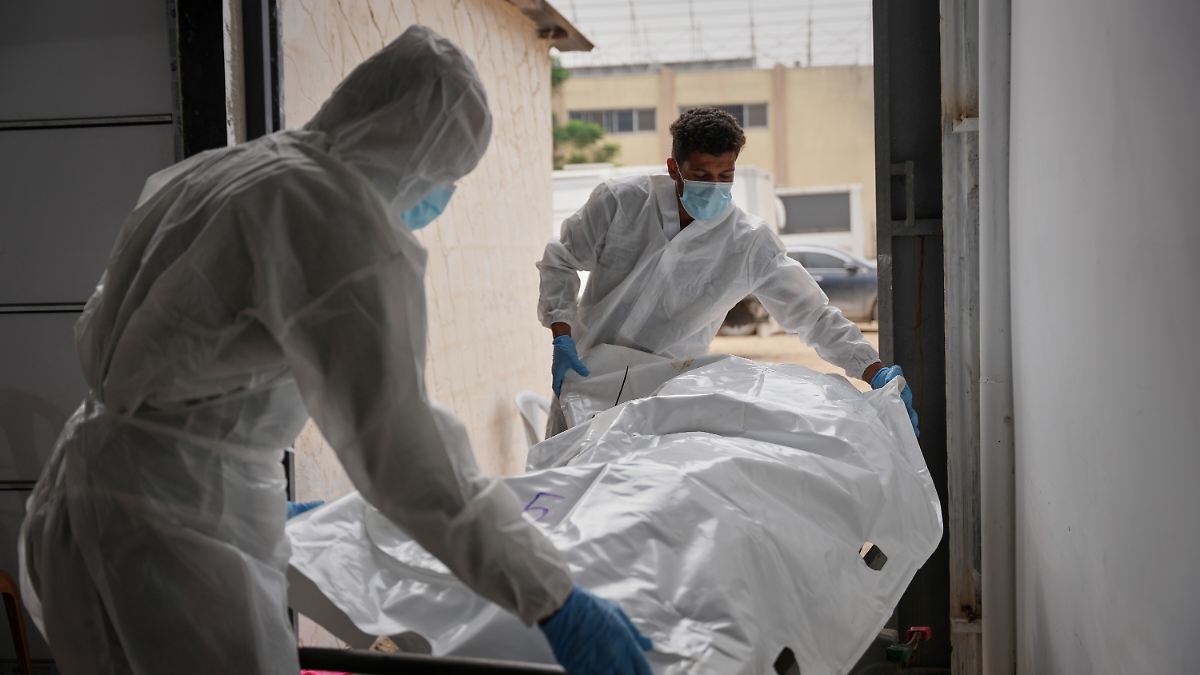
- January 28, 2026 (Evening): Israel hands over 15 Palestinian bodies as part of ceasefire verification, per n-tv.de report. Hamas accuses delays in broader exchanges; figure sparks debate on unrest casualties versus war totals.
- January 29, 2026 (Morning): Scattered demonstrations in Jabalia refugee camp; reports of 50 arrests. International donors urge dialogue, with UN envoy calling for "de-escalation to protect Phase Two gains."
Analysis
The current unrest represents a critical juncture at the intersection of civil discord and political restructuring in Gaza, where the new Gaza Administration Committee's leadership—appointed on January 18—must navigate entrenched factionalism to foster stability. Analytically, this mirrors historical patterns of post-ceasefire volatility, where leadership transitions exacerbate rather than resolve grievances. Past instances, such as the 2007 Hamas takeover amid Fatah infighting or 2019 "We Want to Live" protests against mismanagement, demonstrate how power vacuums invite unrest, often quelled through force but breeding long-term resentment.
Policy implications are profound. The committee, comprising technocrats and PA-aligned figures under international oversight, promises reforms in aid allocation and local elections—key to Phase Two's goals of deradicalization and reconstruction. Yet, its top-down imposition risks alienating Hamas sympathizers and independents, potentially fragmenting governance. Public testimonies underscore this: Gaza City resident Ahmed al-Masri told Al Jazeera, "New head talks unity, but my family starves while elites hoard aid." Conversely, Khan Younis shopkeeper Fatima Hassan noted cautious hope: "If they deliver jobs and security, protests end overnight."
Internationally, responses blend caution with conditionality. The U.S. and EU have pledged $500 million in aid tied to committee performance, while Qatar and Egypt mediate. MSF's blocked access highlights aid weaponization risks, echoing Yemen's dynamics where unrest hampers 80% of deliveries. Broader geopolitics connect Gaza's turmoil to Iran's proxy pressures and Saudi-Israeli normalization talks; instability could derail Abraham Accords expansions.
Implications for regional stability are stark: successful reforms could model hybrid governance in divided territories, but failure might revive militancy, straining Israel's borders and PA legitimacy. The 70,000 casualty debate, fueled by the recent body handover, underscores verification challenges, potentially eroding trust in international monitors like the UN.
Key Locations
- Gaza City: Epicenter of organized protests; administration HQ targeted by demonstrations.
- Khan Younis: Hotspot for clashes; southern aid distribution hub disrupted.
- Rafah Crossing: Aid bottleneck; frequent blockades by protesters and security.
- Jabalia Refugee Camp: Northern flashpoint; dense population amplifies unrest.
- Deir al-Balah: Central coordination point for medics amid injury spikes.
These sites form a north-south axis of tension, with Rafah's strategic value amplifying international stakes.
Timeline
- January 1, 2026: UN warns of "risk to hundreds of thousands" from famine and disease in post-Phase One Gaza, setting unrest trigger amid aid delays.
- January 14, 2026: Gaza Ceasefire Plan Phase Two announced—expands truce to include governance reforms, hostage/prisoner swaps, and administration formation.
- January 18, 2026: New Head of Gaza Administration Committee appointed (PA-nominated technocrat with security background); initial mandate: aid oversight, policing, reconstruction planning.
- January 20-24, 2026: Sporadic protests emerge in Gaza City over fuel shortages; first clashes report 5 deaths.
- January 25, 2026: Demonstrations spread to Khan Younis; demands include committee elections and Hamas inclusion.
- January 27, 2026: Violence peaks in south; @GazaVoicesNow viral post amplifies calls.
- January 28, 2026: Body handover and admin address; MSF blockade reported.
- January 29, 2026 (Ongoing): Arrests in Jabalia; UN convenes emergency talks.
This timeline illustrates progression from humanitarian warnings to political inflection, with leadership change as unrest catalyst rather than cure—paralleling 2014 protective edge aftermath.
Outlook
Gaza teeters at a crossroads: the new administration's success hinges on rapid, tangible reforms. Optimistic scenario (40% likelihood, per analyst models drawing on 2005 disengagement precedents): Inclusive aid distribution and local councils quell unrest within 60 days, stabilizing Phase Two and paving PA elections by mid-2026. Public sentiment, per polls showing 35% approval for the head, could shift with jobs programs.
Pessimistic path (50% likelihood): Factional sabotage—Hamas boycotts or protester radicalization—escalates to low-level insurgency, mirroring 2021 unity government collapse. Aid challenges persist, with MSF warning of "catastrophic" health crises if access stalls.
Wildcard (10%): External intervention, e.g., Arab League peacekeeping, if Israel eases blockade. Watch for: committee's first aid audit (Feb 5 deadline), protest turnout post-Friday prayers, and U.S. aid disbursal signals. Historical data suggests 70% of Gaza leadership shifts face initial unrest but stabilize if international backing endures. Failure risks broader spillover, undermining regional de-escalation.
*(Word count: 1527)




