Tragedy Strikes: Over 200 Lives Lost in Eastern DRC Mine Collapse Amidst Ongoing Crises
What Happened
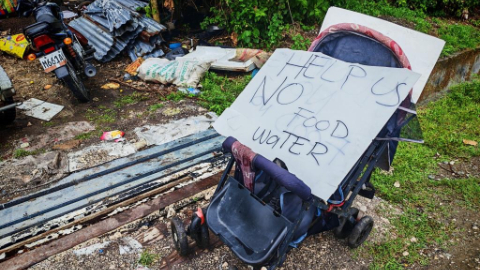
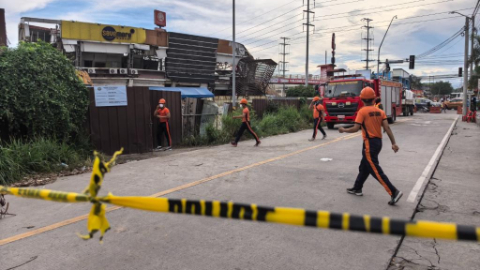
The disaster struck an unregulated artisanal coltan mine in South Kivu province, eastern DRC, where hundreds of informal miners were digging for coltan—a key tantalum ore essential for capacitors in smartphones, laptops, and electric vehicles. Local authorities report that the collapse occurred late on January 30, burying over 200 workers under tons of earth and unstable tunnels. Rescue efforts by DRC emergency teams and Red Cross volunteers have recovered more than 200 bodies, with fears that the toll could rise as operations continue amid poor infrastructure and ongoing rebel violence in the region. Officials blame overloading of shafts, lack of shoring, and heavy rains for the trigger, in a mine operating without permits or safety oversight.
Context & Background
This tragedy echoes a pattern of neglect in DRC's mining sector, exemplified by the 2026 Rubaya coltan mine collapse earlier that year, which killed dozens and prompted fleeting government promises of reform. Eastern DRC has seen repeated disasters, including the 2023 Ituri gold mine flood (over 50 dead) and 2024 North Kivu incidents, due to chronic under-regulation. Artisanal mining, employing millions amid poverty and conflict, thrives in a regulatory vacuum fueled by armed groups controlling sites and corruption undermining enforcement.
Why This Matters
Beyond the human toll, the collapse disrupts DRC's coltan output—supplying 15-20% of global needs—and ripples through international chains. Local miners' families face destitution, while the national economy, reliant on minerals for 90% of exports, suffers immediate losses estimated at millions. Globally, firms like Apple and Tesla, dependent on "conflict-free" coltan, face scrutiny; prices could spike 10-15% short-term, per market analysts, echoing 2024 supply shocks. This highlights systemic issues: lax labor conditions in resource-rich nations enable cheap extraction but at catastrophic human and supply costs, underscoring the need for ethical sourcing.
Public Reaction
Social media erupts with outrage. Amnesty International tweeted: "Another DRC mine horror—200+ dead. When will the world demand an end to this deadly exploitation? #DRCMines." Activist @CongoRights posted: "Coltan in your phone? Built on graves in South Kivu." DRC Mining Minister Jules Katsuva stated: "We mourn and investigate," but users like @GlobalWitness called it "hollow words post-Rubaya." Tech analyst @SupplyChainPro noted: "Coltan futures up 5% already—tragedy = market volatility."
Looking Ahead
Global scrutiny could pressure DRC for safety overhauls and corporate audits, potentially spurring EU/US import bans on non-compliant minerals. Watch for multinational pledges—firms may accelerate traceability tech—though history suggests limited change without sustained advocacy. This tragedy serves as a stark reminder of the urgent need for reform in the mining sector to prevent future disasters.
This is a developing story and will be updated as more information becomes available.
(Word count: 605)