
Tragedy at Sea: The Sinking of a Massachusetts Fishing Boat and Its Implications for Maritime Safety
Overview of the Incident
A commercial fishing boat with seven crew members aboard tragically sank off the coast of Massachusetts, prompting an urgent search by the U.S. Coast Guard. As the search continues amid worsening weather conditions, one body has been recovered, highlighting the critical need for improved maritime safety regulations.
Current Developments in the Search
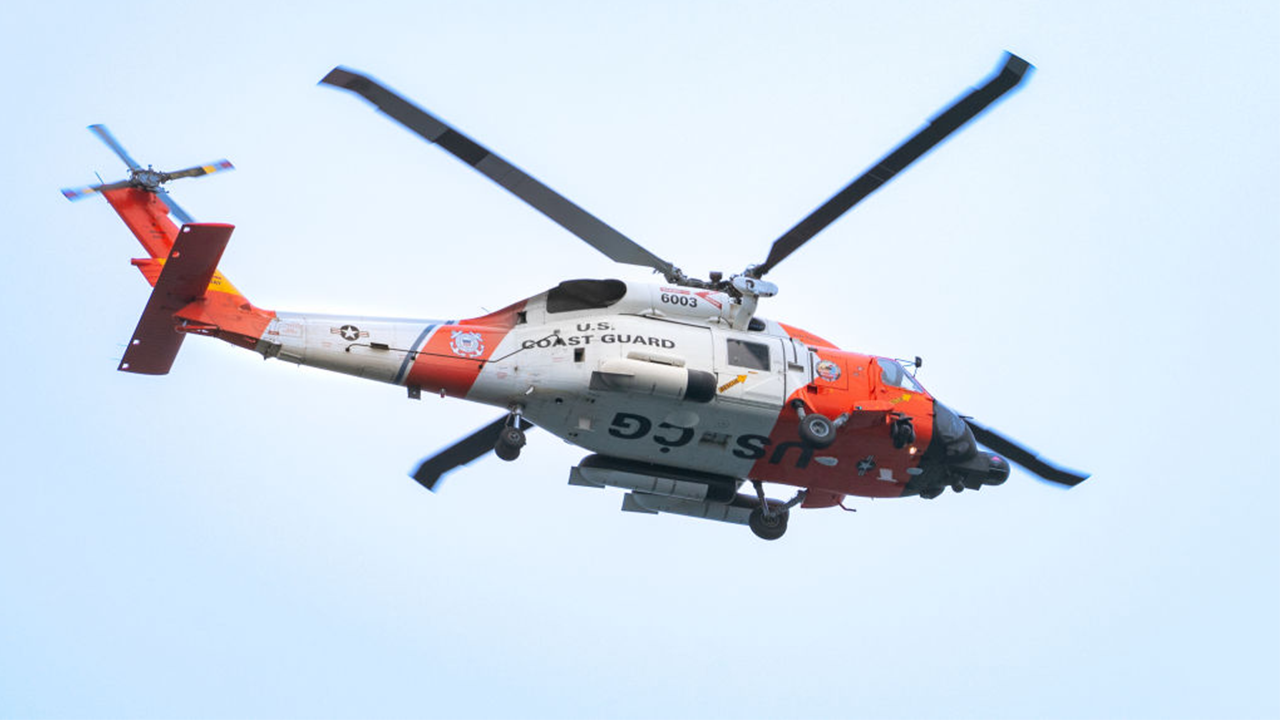
The U.S. Coast Guard initiated a search operation on Saturday after the unnamed commercial fishing vessel sank approximately 10 miles off Gloucester, Massachusetts. State Senator Bruce Tarr confirmed that seven individuals were on board when the vessel went down due to rough seas and high winds. Rescue teams have successfully recovered one body, preliminarily identified as a crew member, while six others remain unaccounted for. Coast Guard Capt. Shane Jackson stated, "Search efforts continue despite challenging conditions, with air and sea assets deployed." As of Sunday evening, no additional survivors have been located, and search operations are hampered by forecasts of intensifying storms.
Maritime Safety Regulations: A Critical Overview
Commercial fishing is recognized as one of the deadliest occupations in the United States, governed by the Commercial Fishing Industry Vessel Safety Act (CFIVSA) of 1988 and subsequent updates through the 2012 Coast Guard Authorization Act. These regulations mandate essential life-saving equipment such as immersion suits, Emergency Position Indicating Radio Beacons (EPIRBs), and stability assessments for vessels exceeding 79 feet in length. Despite reforms enforced by the National Oceanic and Atmospheric Administration (NOAA) post-2012, enforcement gaps remain. A 2023 Government Accountability Office report highlighted inconsistent inspections for smaller vessels like the one involved in this incident, which is estimated to be under 100 feet.
Historical Context: A Pattern of Maritime Tragedies
This recent sinking is part of a troubling trend of maritime safety failures in the U.S. On January 3, the Coast Guard was involved in a search for survivors from another maritime incident, underscoring the persistent vulnerabilities at sea. This pattern of tragedies, including a helicopter crash in Arizona and a Boeing engine defect tied to a UPS crash, reveals broader oversight lapses across various transportation sectors. Public outcry has driven incremental reforms, yet regulatory fatigue persists amid climate-related hazards.
Personal Stories: Voices from the Gloucester Community
Families in Gloucester, a historic fishing hub, are grappling with the emotional fallout from this tragedy. Mary Ellis, the wife of missing captain Tom Ellis, expressed her anguish, stating, "He lives for the water, but I begged him to check that old radar—now we're praying for a miracle." Survivor kin Jamie Ruiz shared on social media, "My brother was the heart of our boat. Coast Guard, don't stop! #Gloucester7" Maritime expert Capt. Lisa Hargrove noted, "Human factors like fatigue and skipped maintenance cause 80% of sinkings—regulations exist, but hearts break when they're ignored." Advocacy from the community, including calls for mandatory immersion gear on all boats, reflects the urgent need for improved safety measures.
Looking Ahead: Potential Changes in Maritime Safety
This tragedy could serve as a catalyst for stricter enforcement of the CFIVSA, including the implementation of AI-monitored vessel tracking and mandatory annual stability tests for all commercial fishing vessels. Community advocacy, led by organizations like the Gloucester Fishermen's Wives, may push for federal grants to cover safety retrofits. Future predictions include heightened NOAA audits and state-level funds for affected families, mirroring responses seen after the 2012 reforms. As Senator Tarr promises hearings, expect bipartisan bills that connect climate resilience to maritime policy, potentially saving lives before the next storm strikes.
*This is a developing story. Word count: 600.