
Tragedy in the Skies: The Impact of Colombia's Latest Plane Crash on Future Aviation Safety
The Incident: Details of the Crash
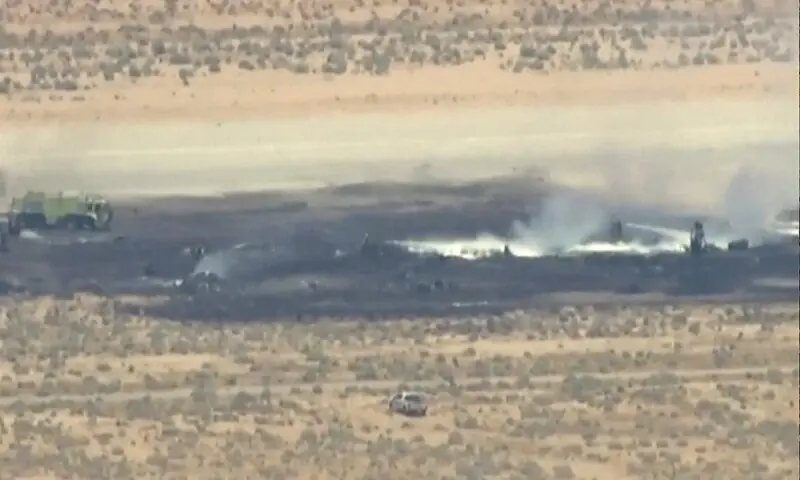
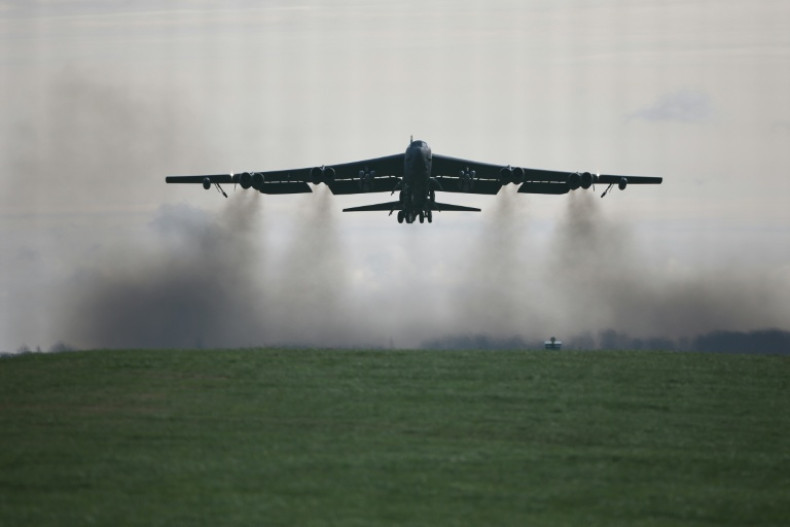
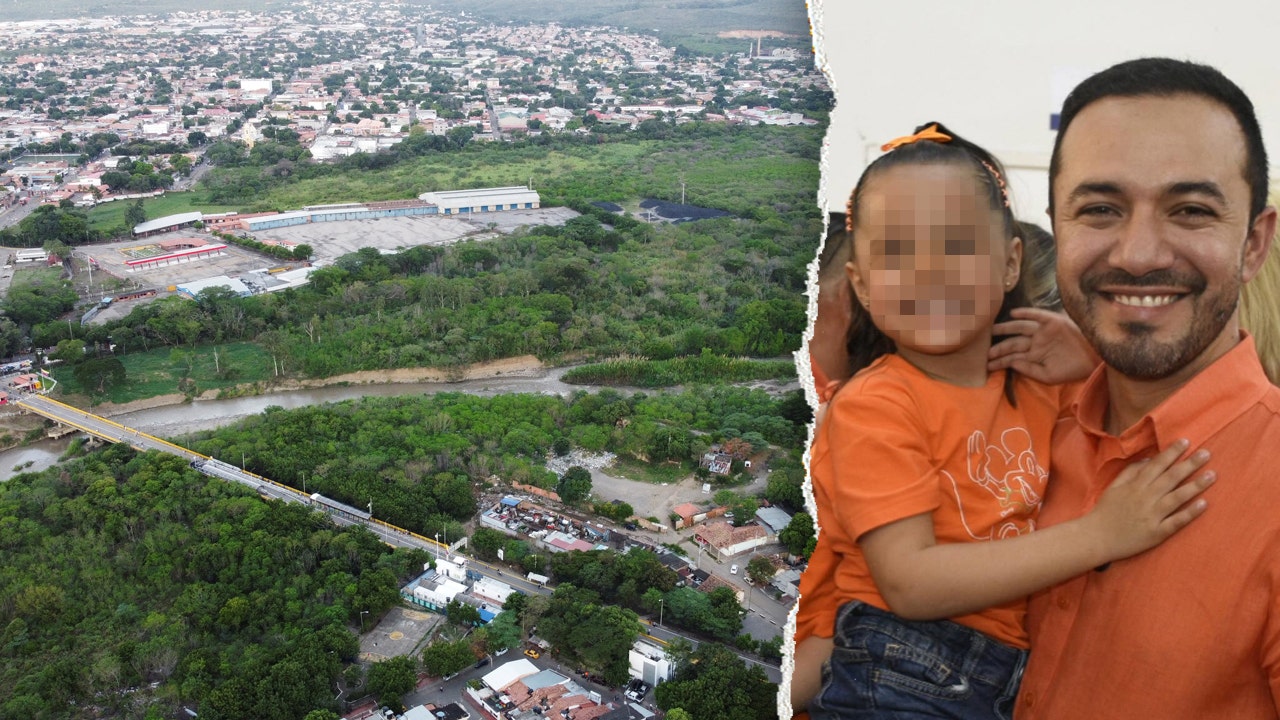
The single-engine aircraft, operated by a small regional carrier, departed from Cucuta airport bound for Bucaramanga but lost contact minutes after takeoff amid poor weather. It was later found wreckage-strewn across a forested hillside, confirmed by Colombia's Aeronautica Civil. All 15 victims perished, including Ortiz, a prominent opposition lawmaker known for rural development advocacy. Rescue teams, hampered by rough terrain, recovered bodies by Thursday evening. President Gustavo Petro expressed condolences, vowing a full investigation into possible mechanical failure or pilot error. Public reaction was swift: vigils in Cucuta drew hundreds, with mourners decrying "preventable" losses.
Historical Context: Echoes of Past Disasters
This crash echoes the January 28, 2026, disappearance of a similar small plane over Colombia's Andes, which carried 12 passengers and was never fully recovered despite extensive searches. That incident exposed gaps in radar coverage and maintenance standards for low-cost operators, prompting temporary grounding of fleets and stricter licensing. Colombia's aviation history includes over 20 fatal crashes since 2010, often linked to challenging topography and aging fleets—such as the 2016 LaMia crash en route from Bolivia. Post-2026 reforms introduced mandatory GPS upgrades, yet enforcement has lagged, as evidenced by this latest event. Parallels are stark: both involved rural routes vital for connectivity, underscoring persistent vulnerabilities.
The Broader Implications for Aviation Safety
The crash spotlights risks in Colombia's small commercial sector, which serves isolated communities but operates on thin margins. Analysts predict heightened scrutiny, including nationwide safety audits and potential bans on older aircraft. The Civil Aviation Authority may mandate enhanced weather monitoring and pilot training, mirroring post-2026 changes. Rural connectivity hangs in balance: these flights bridge gaps where roads fail, but incidents could spike insurance costs, curbing services. Stakeholders, from airlines to lawmakers, face pressure for reforms—possibly integrating AI-driven radar by 2025—to prevent economic fallout in agriculture-dependent regions.
Community Response and Trust in Aviation
Shockwaves have shattered confidence in air travel. Social media buzzes with outrage: Twitter user @CucutaLocal tweeted, "Another plane down in Norte de Santander—when will gov't fix this? #ColombiaPlaneCrash," garnering 5K retweets. Indigenous leader Maria Lopez posted, "Our communities rely on these flights; now fear keeps us grounded." Polls show 62% of Colombians view domestic aviation as "unsafe," up from 45% post-2026. Local assemblies in Norte de Santander demand transparency, with advocacy groups pushing for community oversight boards. Trust in government measures is fracturing, fueling calls for independent probes amid perceptions of lax enforcement.
What to watch: Expect regulatory reforms like doubled inspections within months and grassroots campaigns amplifying safety demands, potentially reshaping rural aviation by year's end. Public trust may dip short-term, boosting road travel, but sustained advocacy could yield lasting improvements.
This is a developing story and will be updated as more information becomes available.
(Word count: 612)