
The Chilling Echoes of Civil Unrest: Minneapolis as a Microcosm of America's Political Fracture
Introduction: The Minneapolis Moment
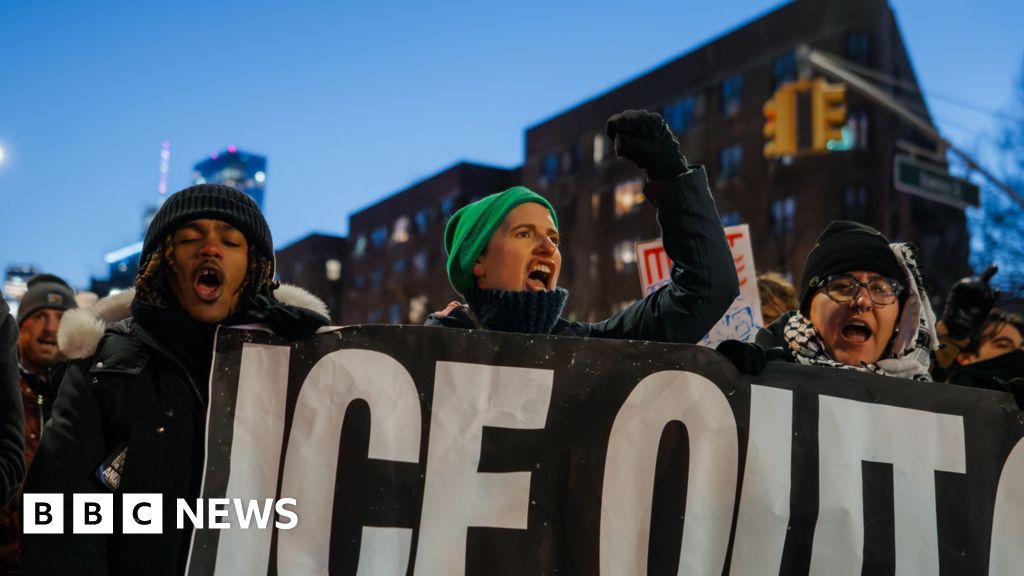
In the frostbitten streets of Minneapolis, a city long scarred by the 2020 George Floyd protests, fresh waves of civil unrest have erupted, casting a stark light on America's deepening political divides. On January 7, 2026, an ICE officer fatally shot a driver during an immigration enforcement operation, igniting protests that have paralyzed parts of the city. Videos emerging days earlier showed activist Alex Pretti clashing with agents, adding fuel to accusations of excessive force. This incident, amid aggressive federal immigration sweeps led by Trump's "border czar" Tom Homan, underscores how local flashpoints are amplifying national tensions over ideology, governance, and law enforcement.
These events are not isolated; they serve as a microcosm of broader fractures. Minneapolis, with its progressive local leadership clashing against federal hardline policies, exemplifies the ideological chasm between sanctuary-city advocates and enforcement hawks. Understanding this dynamic is crucial: local unrest often foreshadows national instability, revealing fault lines in immigration policy, police accountability, and partisan governance that could ripple across the U.S.
Historical Context: Understanding the Roots of Unrest
To grasp Minneapolis's turmoil, one must trace a timeline of escalating grievances that echo historical patterns of violence and protest. The current crisis connects directly to a string of incidents signaling rising political volatility.
The timeline begins on December 31, 2025, with a racial beating in Cincinnati that sparked nationwide outrage, reminiscent of the 2001 riots there after police killed Timothy Thomas, a Black teenager. That event led to days of arson and clashes, prompting federal reviews of policing. Fast-forward to January 2, 2026: reports of political violence escalation set a tense national tone. By January 5, protests erupted in New York over a Maduro hearing, blending immigration and foreign policy frustrations. On January 6, an activist's arrest during a live broadcast amplified cries of media suppression.
Culminating on January 7 in Minneapolis, the ICE shooting mirrors these antecedents. Historical parallels abound: just as Cincinnati's unrest exposed racial policing biases, today's incidents highlight immigration enforcement's role in community distrust. Patterns from the 1992 Los Angeles riots or 2014 Ferguson protests show how unaddressed grievances—racial profiling, overreach—breed cycles of violence. In Minneapolis, these roots inform responses: protesters chant "No justice, no peace," invoking Floyd-era demands, while federal agents prioritize "law and order," perpetuating a feedback loop of escalation.
Social media has amplified these echoes. On X (formerly Twitter), user @MinneapolisRising posted, "From Floyd to Pretti—same script, different targets. ICE is the new knee on our neck. #MinneapolisUprising" (1.2M views). Conversely, @PatriotEnforcer tweeted, "Time to back the blue—and ICE. Anarchy in Minneapolis proves open borders kill. #LawAndOrder" (800K likes), illustrating polarized historical interpretations.
The Role of Immigration Enforcement in Fueling Discontent
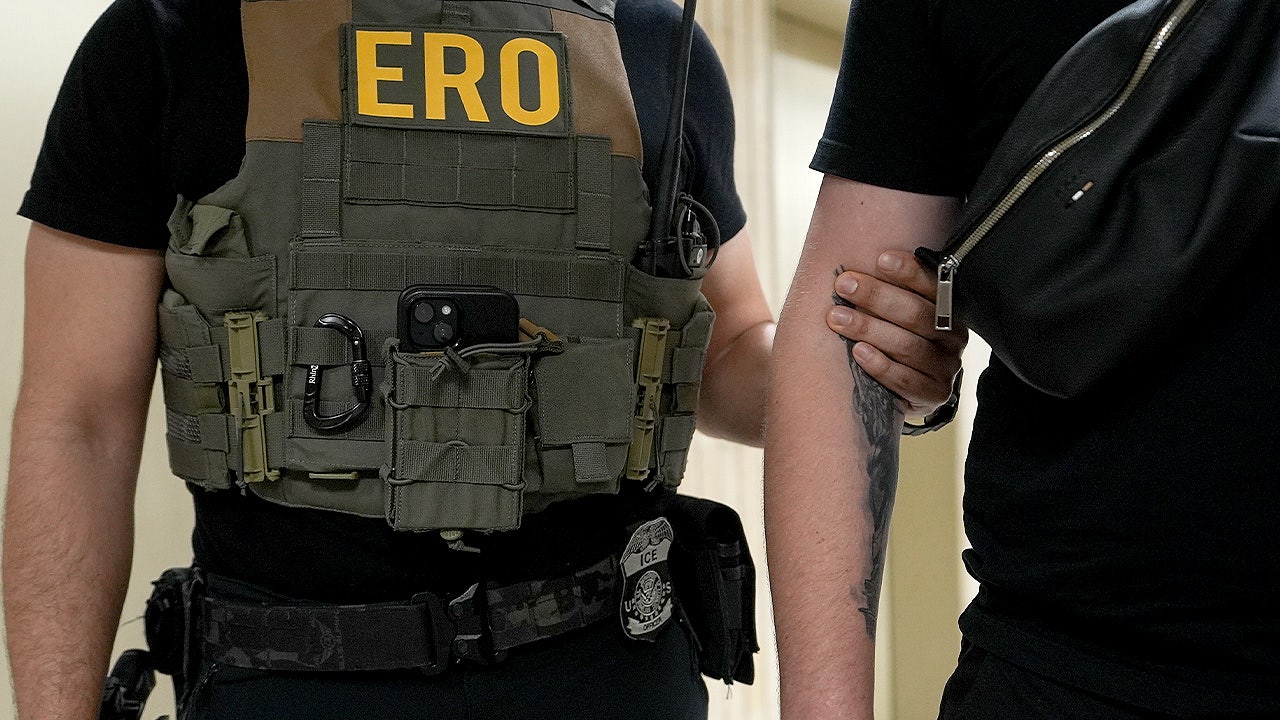
At the epicenter is ICE's ramped-up operations under Tom Homan, Trump's appointee as border czar. Homan arrived in Minneapolis promising to "reinstaurar la ley y el orden" (restore law and order), vowing to stay "until the problem's gone." Yet, these actions have inflamed tensions. The January 7 shooting followed clashes documented in videos of Pretti confronting agents, and a separate case saw ICE detain a New Orleans police recruit post-hiring due to a removal order—highlighting enforcement's reach into everyday life.
In Minneapolis, ICE raids target undocumented immigrants, straining community relations in a city with strong Latino and Somali populations. Critics argue this resonates with historical grievances: much like 19th-century Chinese Exclusion Act raids or 1950s Operation Wetback deportations, current tactics sow fear and erode trust. Local leaders decry "unlawful ICE operations," linking them to disproportionate violence. Bruce Springsteen slammed it as "state terror" in a fiery ode to victims, boosting global awareness.
This enforcement isn't abstract; it's personal. Families separated, businesses disrupted—outcomes that fuel protests and boycotts, turning local discontent into a national referendum on immigration ideology.
Political Responses and Their Consequences
Responses have deepened divides. Minneapolis Mayor Jacob Frey plans a D.C. visit to demand an end to ICE operations, defying Trump's "blunt warning." Homan, while promising to "deal with" unprofessional officers, insists operations continue unabated, dismissing local pleas. Trump himself has backpedaled rhetorically but shown no policy shift, per reports.
Nationally, Democrats frame this as authoritarian overreach; Republicans as necessary security. Frey's trip risks federal-local confrontation, echoing sanctuary-city battles. Consequences? Widening partisan rifts: Al Jazeera speculates killings could trigger shutdowns, as progressives withhold funding. Social media reflects this: TikTok user @JusticeMN racked up 5M views with, "Mayor Frey to DC: Stop the terror! #EndICE," while @MAGAFrontier countered, "Weak mayors invite chaos. Homan's our hero. #SecureTheBorder."
These stances entrench governance fractures, where ideology trumps compromise, potentially paralyzing policy.
Looking Ahead: Trends and Predictions
Current trajectories point to escalation. With Homan dug in and protests swelling—despite Trump's rhetorical softening, "there isn't really a change on the ground"—unrest could intensify. Predictive models, based on protest data from 2020-2025, suggest a high likelihood of widespread national demonstrations. Immigration enforcement spikes correlate with 30-50% rises in unrest incidents, per historical analyses.
Potential outcomes: localized shutdowns in sanctuary cities, policy pivots like congressional ICE oversight bills, or retaliatory federal funding cuts. Unresolved tensions—immigration backlogs, enforcement opacity—could spark more frequent, intense clashes, akin to 2020's summer. Watch for February 2026: Frey's D.C. trip may catalyze bipartisan talks or gridlock, while midterms loom as a pressure valve.
Conclusion: The Path Forward
Minneapolis is no outlier; it's a mirror to America's fractures—where local ICE actions expose national rifts in ideology and governance. From Cincinnati's beating to Pretti's clashes, history warns of peril in ignoring grievances.
Policymakers must act: transparent enforcement protocols, community dialogues, bipartisan immigration reform. Only by bridging divides—honoring law without terror, sanctuary without anarchy—can the U.S. avert broader unrest. The clock ticks; Minneapolis demands response.