
The New Wave of Civil Unrest: How Localized Actions Are Shaping National Movements
Overview of Recent Protests Against ICE
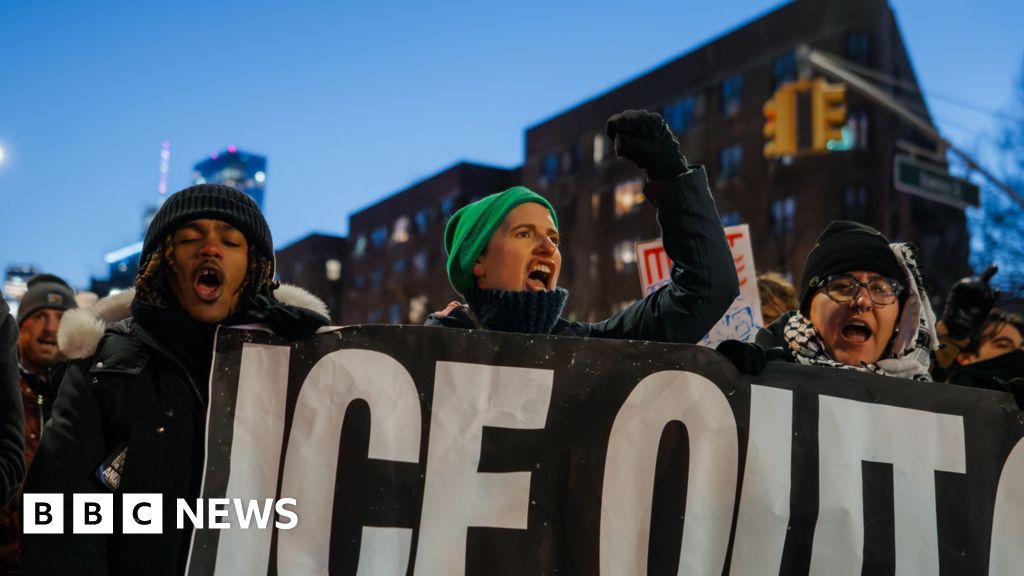
Protests against U.S. Immigration and Customs Enforcement (ICE) erupted in cities including New York, Minneapolis, and others on January 30, 2026, marking a nationwide day of action. These demonstrations, sparked by local incidents like the January 7 ICE officer shooting of a driver in Minneapolis, underscore a shift toward decentralized, community-driven unrest rather than a unified national uprising. Local grievances are fueling broader discontent, showcasing a mosaic of issues that resonate with diverse communities across the nation.
Emerging Patterns of Localized Protests
Recent anti-ICE actions highlight a mosaic of local grievances fueling broader discontent. In Minneapolis, outrage over the ICE shooting has drawn hundreds to the streets, organized by grassroots groups like the Minnesota Immigrant Rights Action Committee. New York saw protests tying into earlier January 5 demonstrations over a Maduro hearing, while church and synagogue disruptions—such as activists mocking a Democratic congressman with props during an ICE vote debate—reveal targeted tactics. Community leaders, including local faith figures and neighborhood organizers, have mobilized quickly, emphasizing personal stories of families affected by deportations. This localized focus allows protests to adapt to regional issues, from urban policing to sanctuary city policies, creating a diverse tapestry of resistance.
Historical Context: The Echoes of Past Protests
These events echo a turbulent timeline of civil unrest. The December 31, 2025, Cincinnati racial beating ignited initial outrage, paralleling historical flashpoints like the 2001 Cincinnati riots over police brutality. January 2's escalation of political violence set a volatile tone, much like post-2020 election tensions. The January 6 arrest of an activist during a live broadcast recalls suppressed dissent, while New York protests build on anti-authoritarian waves. Today's ICE-focused actions continue this narrative, blending racial justice demands with immigration fears, showing continuity in responses to perceived injustice amid evolving societal divides.
The Role of Digital Activism in Local Mobilization
Social media has supercharged these efforts, turning local sparks into viral calls. Platforms like X (formerly Twitter) enable real-time coordination: @Minneapolis4Justice tweeted, "ICE shot our neighbor—streets now! #AbolishICE," garnering 50K retweets and mapping protest sites. TikTok lives from New York rallies connected to synagogue actions amplified messages, with #LocalResist trending nationwide. Digital tools like Signal for secure organizing and Google Maps for safe routes have democratized mobilization, linking disparate cities without a central command, though they also invite misinformation and counter-narratives from outlets like Newsmax decrying "left-wing chaos."
Looking Ahead: What This Means for Future Protests
This wave may fragment into more decentralized, issue-specific protests, responding to local triggers like enforcement raids or shootings rather than a monolithic narrative. Governmental pushback looms: Rep. Chip Roy's calls to apply the FACE Act to church protesters signal potential crackdowns, while NYC's Newsmax taxi ban hints at media battles. Public sentiment, polarized by economic strains, could swell participation or provoke law enforcement surges. Legislation tightening ICE oversight or sanctuary expansions might emerge, but fragmented movements risk dilution—yet their grassroots resilience could sustain pressure, reshaping national discourse on immigration and justice.
This is a developing story and will be updated as more information becomes available.