
Venezuela's Amnesty Law: A Potential Turning Point in Civil Unrest
Overview of the Amnesty Proposal
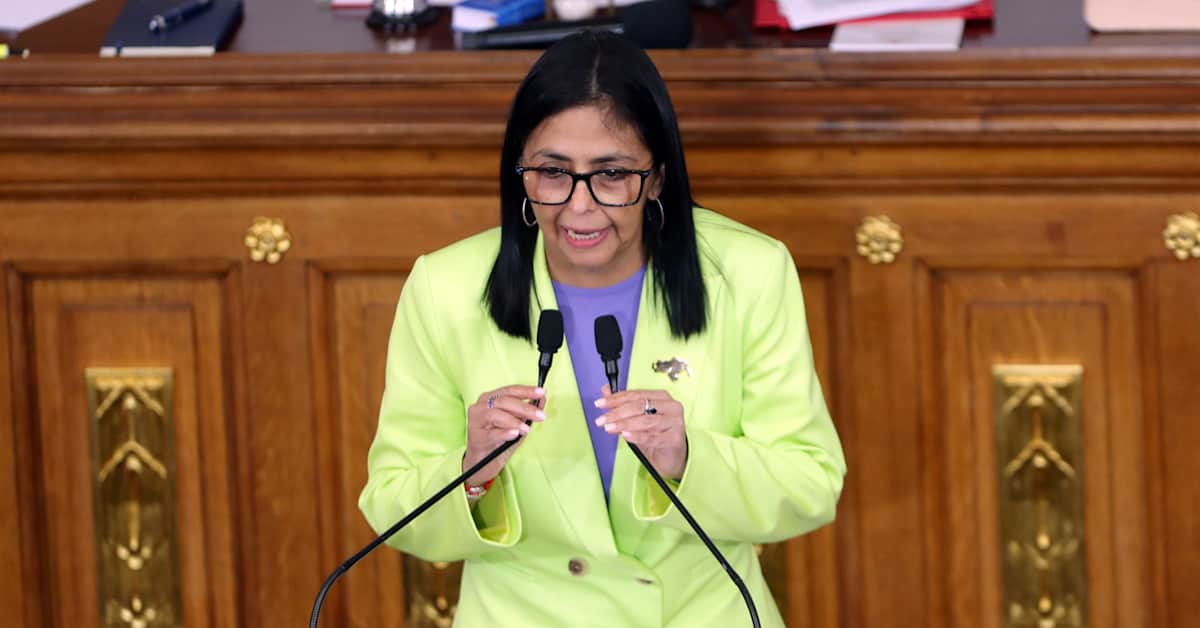
Venezuelan Vice President Delcy Rodríguez announced on January 30, 2026, a proposed amnesty law aimed at addressing the plight of hundreds of political prisoners, including plans to close the notorious El Helicoide prison in Caracas. This initiative emerges amid escalating civil unrest following a state of emergency declaration, offering a potential path toward reconciliation in a nation deeply fractured by protests and political detentions. However, the success of this law will depend on its genuine implementation and the government's commitment to addressing underlying issues.
Current Situation in Venezuela
The amnesty proposal comes against a backdrop of heightened civil unrest. On January 3, Venezuela declared a state of emergency due to widespread protests triggered by economic collapse and disputed elections. Protests peaked with an anti-U.S. rally in Caracas on January 4, followed by the release of some political prisoners on January 12. Tensions escalated by January 24, with reports confirming the detention of Nicolás Maduro, significantly shifting the power dynamics in the country. Public sentiment remains divided; polls cited in Clarin show that 62% of Venezuelans view the amnesty positively, as it could free an estimated 300-500 political detainees from El Helicoide, a facility infamous for allegations of torture. However, many citizens fear that this move may merely serve as a ploy to quell unrest without addressing critical issues such as hyperinflation and food shortages.
Historical Context of Amnesty Laws in Venezuela
Venezuela has a complex history with amnesty laws, often used as political tools. In 2000, Hugo Chávez pardoned coup participants to consolidate power following the 1992 coup attempts, fostering short-term stability but breeding distrust. Similar gestures in 2016 under Maduro released a handful of opposition figures amid protests, yet repression intensified, leading to over 15,000 arrests according to Foro Penal estimates. This new proposal echoes past efforts, strategically timed post-emergency declaration and initial releases on January 12, which humanized detainees like student leaders who endured torture at El Helicoide. Unlike previous attempts, the closure of the prison signals a potential symbolic reform, directly connected to recent unrest and Maduro's capture, leaving a power vacuum that Rodríguez must now navigate.
What This Means for Venezuela
As a reconciliation strategy, the proposed amnesty could de-escalate unrest by releasing prisoners whose plight has galvanized international sanctions and opposition abroad. For families of activists like Javier Tarazona, held since 2021, it represents a chance for reunion—mothers camping outside prisons may finally see their loved ones freed. However, opposition groups, including María Corina Machado's Vente Venezuela, criticize the proposal as "too little, too late," arguing that it sidesteps crucial electoral fraud claims. International observers from the U.S. and EU, as reported by CNN, see potential for eased sanctions if the amnesty is verified and effectively implemented. Failure to deliver on these promises risks backlash and could deepen divides in a country where 7.7 million people have fled since 2014.
Public Reactions and Social Media Buzz
Social media is abuzz with cautious optimism regarding the amnesty proposal. A viral tweet from opposition leader Leopoldo López stated: "Amnesty is a start, but without free elections, it's a trap. #LibertadParaPresosPoliticos" (1.2M views). Human Rights Watch's @hrw tweeted: "Closing El Helicoide is historic—now ensure no new black sites emerge." Pro-government voices, including Delcy Rodríguez, countered with: "Healing Venezuela through justice for all," which garnered 500K likes. Experts like @CaracasChronicles noted, "Public approval at 60%, but trust is zero post-Maduro chaos."
Looking Ahead: What to Watch
If the amnesty law is passed swiftly, it could stabilize the streets in the short term, mirroring Chávez's 2000 success and potentially reducing protests by 40%, as seen in 2016. However, rejection or a partial rollout risks escalating unrest, with opposition rallies anticipated by mid-February. Key events to monitor include the National Assembly vote (expected on February 5), further prisoner releases, and the U.S. response—full implementation might unlock humanitarian aid, while half-measures could lead to international isolation. Scenarios to consider include optimistic stability if paired with dialogue or a pessimistic surge in unrest if perceived as manipulation.
This is a developing story and will be updated as more information becomes available.