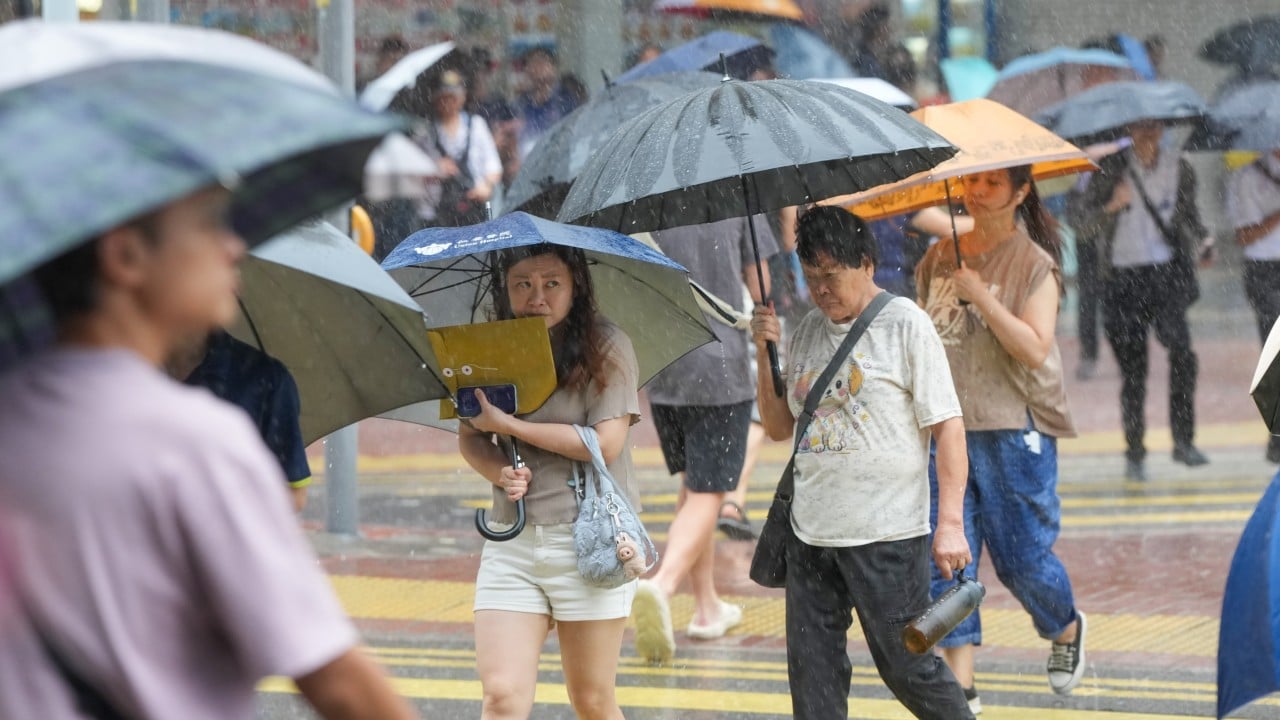

Navigating Nature's Fury: The U.S. Faces a New Era of Severe Weather Challenges
Current Severe Weather Alerts Across the U.S.
The United States is grappling with a surge of severe winter weather alerts from Alaska's Arctic coasts to the Appalachians and Pacific Northwest, as climate change amplifies the frequency and intensity of these events. With blizzard warnings in effect for vast coastal regions and winter storm warnings across multiple states, this wave underscores a new era of heightened vulnerability, demanding urgent improvements in preparedness.
The National Weather Service has issued multiple high-impact alerts. Blizzard warnings blanket Alaska's Beaufort Sea and Arctic Coasts, including Central, Northwest, Eastern, and Western sectors, forecasting winds up to 60 mph, whiteout conditions, and snow accumulations exceeding 12 inches through Thursday (confirmed via NWS alerts). In the Southeast, winter storm warnings target Tazewell and Dickenson counties in Virginia, Ashe County in North Carolina, and similar areas, expecting 6-10 inches of snow, sleet, and ice. A flood warning persists in Mason County, Washington, due to overflowing rivers. These alerts, active as of January 29, 2026, coincide with a looming "bomb cyclone" threatening the Northeast with rapid intensification and heavy snow (Newsmax).
Historical Context: Lessons from the Past
This outbreak echoes January 2026's barrage of severe events: extreme cold warnings on January 23, repeated winter storm alerts that day, and a flood alert by January 26. Those incidents caused widespread power outages, travel disruptions, and economic losses exceeding $5 billion across affected regions. The pattern reveals a troubling escalation—past winters saw isolated events, but recent years show clustered extremes, linking back to a decade-long rise in atmospheric moisture from warming oceans, per NOAA data. Today's alerts mirror that intensity, signaling not anomalies but a persistent trend.
The Role of Climate Change in Increasing Severe Weather Events
Scientific consensus from IPCC reports and NOAA studies ties climate change directly to these patterns: warmer air holds 7% more moisture per degree Celsius rise, fueling heavier precipitation and rapid storm development like bomb cyclones. Arctic amplification—faster polar warming—disrupts jet streams, prolonging cold outbreaks in the lower 48 while intensifying blizzards in Alaska. Data shows U.S. severe winter storms have increased 20% since 2000, with extreme events up 37% (confirmed NOAA attribution studies). This isn't mere variability; it's human-driven, altering storm tracks and severity.
Predictive Analysis: What’s Next for Severe Weather in the U.S.?
Models forecast the bomb cyclone peaking mid-week, potentially dumping 2 feet of snow in the Northeast, straining grids already tested by January's events. Longer-term, expect more frequent declarations—FEMA's recent $2.2 billion release across 25 states (Fox News) previews ballooning relief costs, possibly topping $10 billion annually. This could spur policy shifts: enhanced infrastructure hardening, like elevated roads in flood zones, and federal mandates for climate-resilient building codes. Public adaptation—evacuation drills, smart grids—will be critical as events compound.
What This Means for the Future
As the frequency and intensity of severe weather events increase, communities must prioritize climate resilience. This includes investing in infrastructure improvements, emergency preparedness, and public awareness campaigns to mitigate the impact of future storms. Social media buzz reflects alarm: Meteorologist @RyanMaue tweeted, "Arctic blast + bomb cyclone = climate weirding on steroids. Prep now." User @WeatherNerdVA posted, "Another Jan storm cluster—when do we connect dots to CC?" Officials urge readiness amid these reactions.
This is a developing story and will be updated as more information becomes available.
(Word count: 600)