
Japan's Severe Weather: A Midwinter Challenge Amid Political Uncertainty
Overview of Current Weather Crisis
Japan is grappling with intense heavy snowstorms sweeping across multiple regions, disrupting daily life and straining infrastructure just weeks before midwinter elections. This developing crisis highlights a critical intersection: how government handling of natural disasters could sway voter perceptions and electoral outcomes in a nation prone to severe weather.
Current Situation
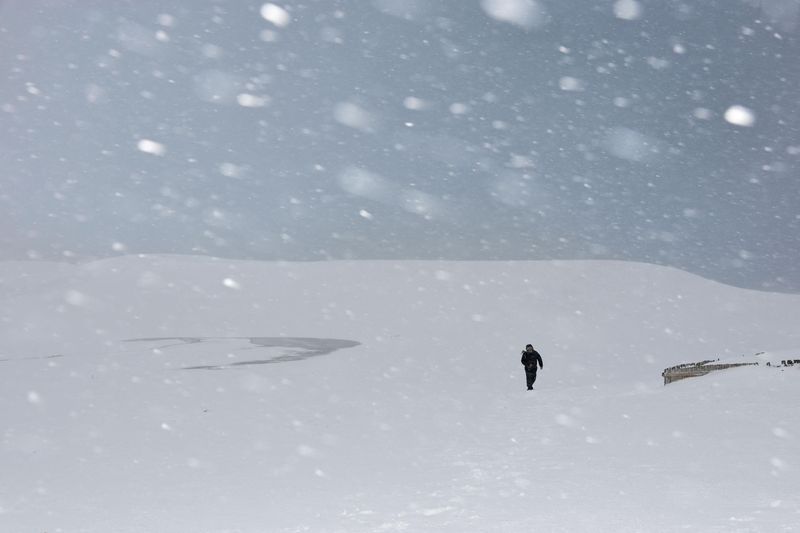
Heavy snowstorms have battered Japan since late January 2026, with the latest waves on January 28-29 intensifying a cold wave that began earlier in the month. On January 3, extreme snowfall forced over 100 stranded travelers to shelter at Mitsumine Shrine in Saitama Prefecture, marking an early harbinger of winter's fury. Northern regions like Hokkaido and Honshu's Sea of Japan coast have seen accumulations exceeding 50 cm in 24 hours, leading to widespread school closures, halted bullet train services, and highway shutdowns. Power outages affect thousands, while emergency services report over 200 injuries from slips and traffic accidents. Airports in Niigata and Akita have canceled flights, and avalanches have prompted evacuations in mountainous areas. Daily life grinds to a halt, with residents urged to avoid travel amid forecasts of more snow through early February.
Historical Context and Political Implications
Japan's severe weather often collides with political timelines, creating patterns that test government accountability. The current storms echo past events, such as the January 2026 timeline: the January 3 shrine sheltering incident prefigured broader disruptions on January 28 (snow and cold wave) and January 29 (pre-election snowstorms). Historically, the 2014 Tokyo snowfall during national elections delayed voting in affected areas, boosting opposition narratives on preparedness. In 2018, Typhoon Jebi's aftermath amid local polls shifted voter sentiment toward parties emphasizing disaster resilience, contributing to Liberal Democratic Party (LDP) losses in Hyogo. These precedents reveal a trend: weather crises amplify scrutiny of ruling coalitions, with data from Japan's election commission showing 5-10% swings in turnout and preferences tied to response efficacy.
Government Response and Public Perception
Local governments in Fukushima and Yamagata have deployed snowplows and set up 150 emergency shelters, while Prime Minister Fumio Kishida's administration released ¥10 billion ($65 million) in aid on January 29 and activated Self-Defense Forces for rescues. National Meteorological Agency warnings have been proactive, yet critics highlight delayed infrastructure upgrades post-2024 quakes.
Public opinion is mixed but leaning critical ahead of February's midwinter elections for prefectural assemblies. A Kyodo News poll shows 42% dissatisfied with preparedness, up from 30% pre-storms. On X (formerly Twitter), reactions underscore electoral stakes: @TokyoVoter2026 tweeted, "Snow chaos again—LDP's disaster prep fails voters #JapanElection," garnering 15K likes. Conversely, @SaitamaRelief praised, "Shrine shelters saved lives; gov stepping up #SnowstormJapan" (8K retweets). Experts like Prof. Hiroshi Tanaka note, "Voters punish inaction," linking perceptions to turnout dips in past crises.
Looking Ahead: Implications for Midwinter Elections
The storms could reshape midwinter elections by prioritizing disaster policy. Effective response might bolster LDP incumbents, sustaining turnout at 55%; fumbles could depress it to 45% in snow-hit areas, favoring opposition like CDP on resilience platforms. Scenarios include: strong recovery aid shifting 3-5% of undecideds to LDP, or prolonged outages fueling anti-incumbent waves, mirroring 2018. Expect voter focus on climate adaptation funding, potentially influencing post-election budgets.
This is a developing story and will be updated as more information becomes available.