Civil Unrest in America: Analyzing the Role of Local Governance and Law Enforcement in Escalating Tensions
Introduction: The State of Civil Unrest in America
Civil unrest has surged across the United States in early 2026, with protests erupting over immigration enforcement, police tactics, and local government responses. This wave of demonstrations highlights a unique angle: how decisions by local governance and law enforcement can either de-escalate or intensify tensions. Recent incidents, particularly a fatal shooting by an ICE agent in Minneapolis, have drawn national attention, underscoring systemic issues in community-police relations. From Minneapolis to Texas, clashes have involved tear gas deployments and high-profile arrests, raising questions about accountability. Local leaders' handling of these events often determines whether protests remain peaceful or spiral into chaos, echoing patterns seen in past unrest.
Recent Events: A Spotlight on Minneapolis and Beyond
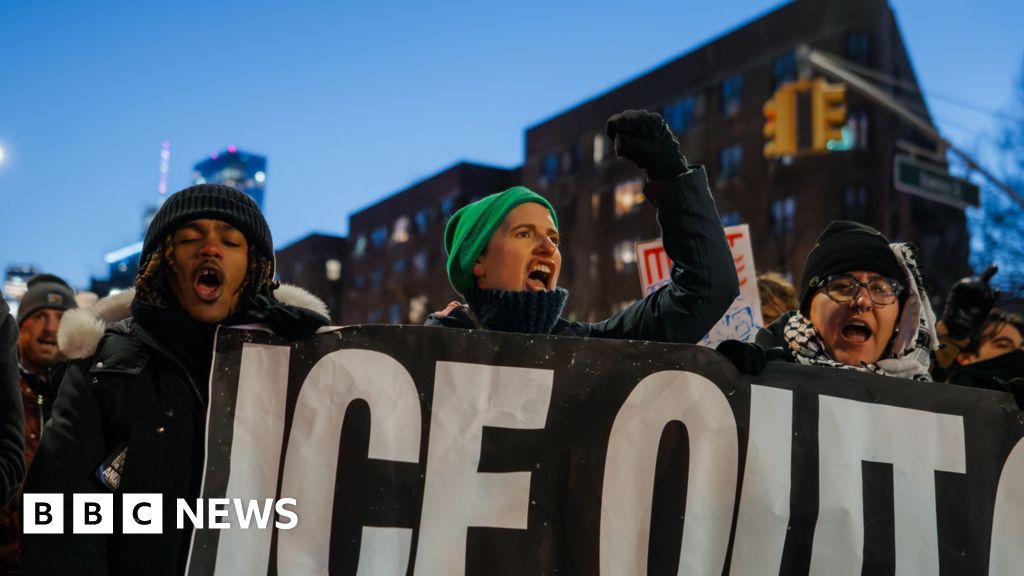
The spark in Minneapolis occurred on January 7, 2026, when an ICE officer shot and killed a driver during an altercation, igniting immediate outrage and protests. Nationwide walkouts and demonstrations were planned in response, as reported by The Star Malaysia. Community reactions were swift, with accusations of excessive force fueling anti-ICE rallies.
The aftermath saw heightened tensions. On January 6, an activist was arrested during a live broadcast, amplifying calls for transparency. High-profile journalist Don Lemon, former CNN anchor, was detained amid the Minneapolis disturbances, according to Clarin and Yle News. In Texas, police used tear gas to disperse anti-ICE protesters outside a detention center, as covered by France 24. These events extended beyond Minnesota: New Jersey's Democratic Gov. Mikie Sherrill proposed a portal for reporting ICE activities (Newsmax), while New York City considered a 100-foot buffer zone around synagogues amid unrelated antisemitism concerns (Newsmax). In Minneapolis, Border Czar Tom Homan suggested pulling back agents if local officials cooperated (MyJoyOnline).
Historical Context: Patterns of Civil Unrest in U.S. History
Recent unrest mirrors a troubling timeline of escalations. On December 31, 2025, a racial beating in Cincinnati sparked widespread outrage, drawing parallels to the Minneapolis shooting due to perceived excessive force and delayed accountability. By January 2, 2026, political violence had escalated nationally. Protests in New York on January 5 over a Maduro hearing added to the volatile mix, followed by the January 6 activist arrest and the January 7 ICE incident.
These events evoke historical precedents like the 1967 Detroit riots or the 1992 Los Angeles unrest after the Rodney King beating, where local police tactics exacerbated community distrust. Similarly, Cincinnati's 2001 riots followed a police shooting, leading to federal investigations. Today's patterns—rapid mobilization via social media, criticism of mayors and governors, and federal-local clashes—perpetuate cycles when systemic issues like over-policing and immigration enforcement collide without resolution.
Local Governance and Law Enforcement: Catalysts or Resolvers?
Local officials bear significant responsibility in these flashpoints. In Minneapolis, Sen. Tommy Tuberville blamed Gov. Tim Walz and Mayor Jacob Frey for "chaos and death," arguing their non-cooperation with ICE worsened the situation (Newsmax). Bill Lieske echoed this, stating agent clashes made Minnesota less safe (Newsmax). Frey and Walz face scrutiny for not mediating between federal agents and protesters, potentially allowing tensions to boil over.
Police tactics, such as tear gas in Texas, have drawn condemnation for escalating peaceful assemblies into confrontations. Homan's offer to withdraw ICE if locals cooperated highlights a federal-local divide: sanctuary policies versus enforcement priorities. When governance fails to bridge this—through community dialogues or policy reforms—law enforcement becomes the frontline, often amplifying unrest. Objective analysis shows mixed outcomes: cooperation could de-escalate, but heavy-handed responses risk broader backlash.
On social media, reactions intensified. X (formerly Twitter) user @MinneapolisMom posted: "Frey and Walz let this happen—ICE is doing their job, locals are obstructing! #MinneapolisRiots" (Jan 29, 2026, 12K likes). Conversely, @JusticeNowMN tweeted: "Tear gas on protesters? History repeats—Frey must resign! #DefundICE" (Jan 30, 2026, 8K retweets). TikTok videos of the Don Lemon arrest garnered 2M views, with comments like "Journalists silenced—wake up America!" fueling viral outrage.
Public Sentiment and Digital Activism: The Voice of the People
Social media has transformed public sentiment into a mobilizing force. Hashtags like #MinneapolisICEshooting and #AntiICERiots trended globally, shaping perceptions and pressuring officials. Platforms amplified footage of the shooting and tear gas use, mobilizing nationwide protests. Digital activism influenced governance: Walz faced calls for intervention after viral clips, while Sherrill's ICE portal proposal responded to online demands for oversight.
Yet, this echo chamber can polarize. Conservative voices, per Newsmax's "Engineered Chaos" piece, accused rioters of ignoring Obama-era deportations, with X posts like @Tuberville: "Dems own this chaos—Walz & Frey failed!" (linked to his Newsmax interview). Progressive sentiment focused on systemic racism, with Instagram Reels contrasting the Cincinnati beating to Minneapolis, amassing millions of views. This digital divide forces local leaders to respond swiftly, lest unrest spreads.
Looking Ahead: Predictions for Future Civil Unrest
Based on historical patterns—from Cincinnati's 2025 beating to 2026's escalations—civil unrest will likely persist if local governance ignores community concerns. Triggers could include more ICE incidents, unresolved arrests like Don Lemon's, or tactics like tear gas. Without reforms—such as joint federal-local task forces or de-escalation training—protests may evolve into sustained movements, akin to 2020's George Floyd demonstrations.
Community engagement is key to prevention: town halls, transparent investigations, and policy dialogues could avert crises. If Walz, Frey, and peers prioritize cooperation over partisanship, pullbacks like Homan's proposal might calm tensions. However, deepening divides—exacerbated by election-year politics—portend volatility through 2026.
What This Means
The ongoing civil unrest in America underscores the critical need for effective local governance and law enforcement strategies. As tensions rise, proactive measures such as community engagement and transparent policies can mitigate conflict and foster trust. The future of civil unrest hinges on the ability of local leaders to address systemic issues and prioritize the voices of their constituents.
Sources
- Sen. Tuberville to Newsmax: Blame Walz, Frey for Chaos, Death in Minn.
- Bill Lieske to Newsmax: Agent Clashes Making Minn. Less Safe
- Estados Unidos: arrestan al periodista Don Lemon, ex presentador de CNN, por "disturbios en Minneapolis"
- NYC Bill Proposes 100-Foot Buffer Zone Around Synagogues
- Yhdysvalloissa toimittaja Don Lemon on pidätetty ICE-mielenosoituksen jälkeen
- Dem N.J. Gov. Plans Portal for Videos of ICE Activity
- Texas police use tear gas to disperse anti-ICE protesters outside detention center
- Agents in Minneapolis could be pulled back if local officials co-operate, border tsar says
- Nationwide protests, walkouts planned over fatal ICE shootings in Minneapolis
- Engineered Chaos: Why Anti-ICE Rioters Ignored Obama