
Barcelona's Pre-Season Testing Turned Catastrophic: A Closer Look at Safety in Motorsport
Incident Overview
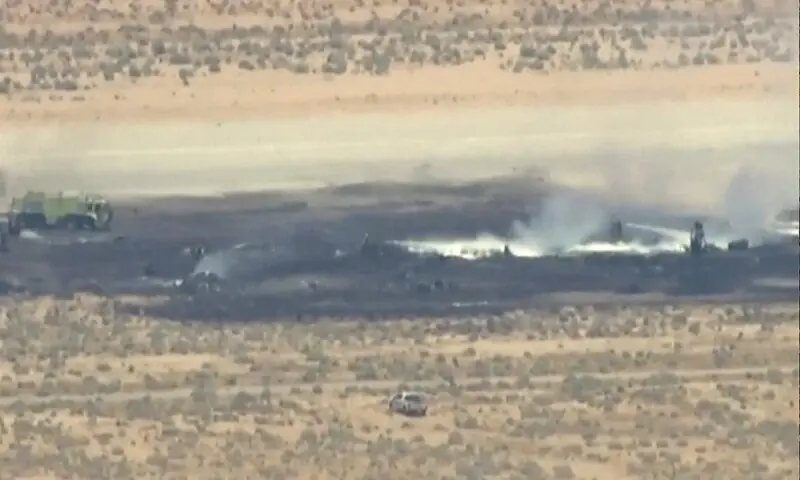
Confirmed details from team statements and track officials reveal that French-Algerian driver Isack Hadjar, a Red Bull junior, lost control of the RB21 prototype during a high-speed lap in the afternoon session. The car veered off at Turn 9, slamming into barriers at over 250 km/h, erupting in a fireball that scattered debris across the circuit. Hadjar, 21, escaped with minor injuries after a rapid extraction by marshals, confirmed by Red Bull's statement praising his "quick reflexes." The session was red-flagged immediately, with testing halted for the day.
Team principal Christian Horner called it a "freak mechanical failure under extreme conditions," while Spain's motorsport safety regulator, the Real Federación Española de Automovilismo, launched an investigation into tire degradation and aero setup. No fatalities were reported; however, unconfirmed rumors of brake issues circulate on team radio chatter leaks.
Context & Background
This incident unfolds against a grim timeline of Spanish transport mishaps in January 2026, underscoring a pattern of safety lapses. On January 16, a Turkish Airlines flight made an emergency landing in Barcelona due to engine failure. Two days later, a train derailment in southern Spain injured dozens, followed by a collision in Cordoba that killed five. The crisis peaked on January 20 with a high-speed train crash near Valencia claiming 41 lives, prompting a January 27 speed reduction mandate after signaling faults were uncovered.
Motorsport safety protocols emphasize halo devices, HANS systems, and FIA-mandated crash tests, contrasting rail's focus on ATC signaling and track inspections. Yet parallels emerge: both rely on human oversight amid tech pushes. Spain's rail woes, post-2021 Galicia crash reforms, highlight delayed implementations, mirroring F1's post-2020 Grosjean halo vindication.
Why This Matters
The Barcelona crash reflects broader vulnerabilities in Spain's motorsport ecosystem, where private circuits like Catalunya host F1 prep amid underfunded public oversight. Unlike rail's nationalized ADIF, motorsport's decentralized FIA governance exposes gaps in real-time monitoring. This incident amplifies calls for unified safety audits, as recent train tragedies exposed chronic underinvestment—€1.2 billion shortfall in rail maintenance per government audits. For stakeholders, it threatens Red Bull's 2026 title defense, sponsor confidence, and Barcelona's €100M+ tourism boost from events. Systemically, it signals the need for cross-sector reforms to prevent "cascading failures" in high-velocity industries.
What People Are Saying
Social media erupted: @F1Insider tweeted, "Hadjar's fireball mirrors Spain's train hell—when does Madrid wake up? #MotorsportSafety" (12K likes). Spanish MP Elena Vargas posted, "From trains to tracks: enough! Demand FIA probe like post-Valencia rail inquiry" (8K retweets). Expert Dr. Maria Lopez, rail safety professor, told ESPN: "Aero instability here echoes signaling flaws there—prevention over reaction." Red Bull fans countered: "One crash ≠ crisis. Tech evolves" (@RBPowertrains, 5K likes).
Looking Ahead
Expect Spain's government to push FIA-aligned regulations mirroring rail's post-January overhauls: mandatory AI telemetry and speed limiters on test laps. Public backlash could spur oversight akin to ADIF's new board, impacting 2026 Spanish GP attendance. Watch Red Bull's Feb 15 fault report—delays may cascade to rival teams.
This is a developing story and will be updated as more information becomes available.