
Baramati Plane Crash: A Look into the Shadows of Aviation Safety in India
Overview of the Incident
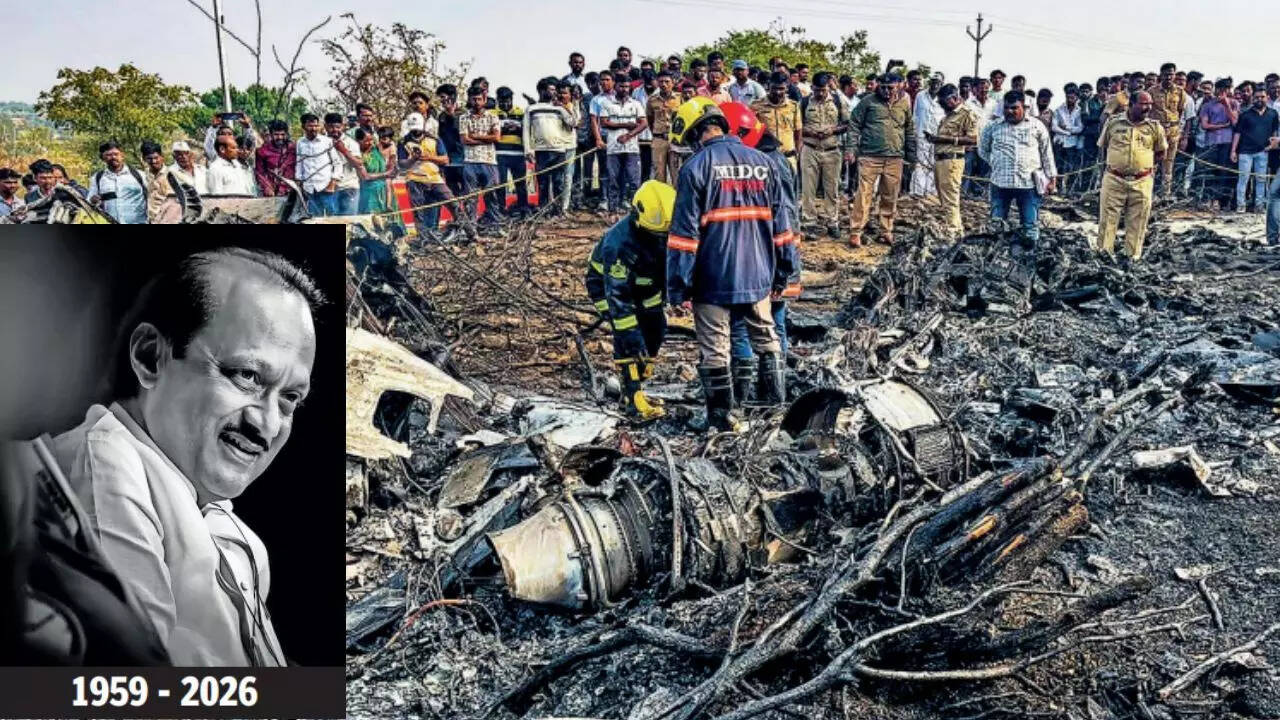
Baramati, Maharashtra – A tragic small plane crash in Baramati has cast a harsh spotlight on India's aviation safety lapses, with the identification of Deputy Chief Minister Ajit Pawar's body amplifying national outrage. This incident underscores deep-rooted systemic flaws in regulation and emergency response, mirroring a disturbing pattern of recent accidents. The crash occurred yesterday afternoon when a private Cessna 172 aircraft plummeted into a field near Baramati airport, killing all four aboard, including Maharashtra Deputy CM Ajit Pawar. Eyewitnesses described a routine takeoff followed by sudden engine failure and a desperate nosedive. "It spiraled like a stone from the sky," said local farmer Rajesh Patil, who rushed to the smoldering wreckage.
Eyewitness Accounts and Immediate Aftermath
Police identified victims through personal items: Pawar's distinctive gold wristwatch and his front-seat position confirmed his remains amid charred debris. Other victims included the pilot, co-pilot, and a political aide. Local authorities, led by Baramati police, sealed the site for investigation by the Directorate General of Civil Aviation (DGCA). Maharashtra CM Devendra Fadnavis expressed grief, announcing a high-level probe. Public response was visceral—crowds gathered, weeping and chanting for justice, with viral videos showing emotional tributes at the crash site.
Historical Context of Aviation Incidents in India
This disaster fits a grim timeline of safety failures. Just weeks ago, on January 3, 2026, a plane crash on the Yamuna Expressway left two passengers untraced amid foggy conditions and poor emergency protocols. The Baramati incident echoes this, with preliminary reports citing possible mechanical failure and inadequate oversight. The pattern extends beyond aviation: January 4 saw Indore's water contamination kill 10 due to regulatory neglect; the same day, a rock collapse in an Odisha quarry claimed lives from lax safety checks. On January 10, a Punjab car-bus collision killed four, and Shimla tunnel work triggered evacuations over unstable engineering. These events reveal systemic issues—underfunded maintenance, delayed responses, and weak enforcement—plaguing India's safety infrastructure. Aviation specifically has seen DGCA audits reveal chronic pilot training gaps and aging fleets, fueling a 20% rise in incidents since 2024.
The State of Aviation Safety Regulations: What's Next?
India's aviation rules, governed by the DGCA under the Aircraft Act 1934 (amended sporadically), mandate regular inspections but lack teeth for enforcement. Post-2020 COVID cuts slashed budgets by 30%, stalling upgrades. Aviation expert Capt. Mohan Ranganathan told NDTV, "We need mandatory AI-driven maintenance logs and independent audits—current self-regulation by airlines is a farce." Following Baramati, calls for reform intensify. The ministry has promised a safety review, but experts like the Aeronautical Society of India urge overhauling pilot licensing and black-box mandates for small aircraft.
Looking Ahead: What This Means for Aviation Safety in India
This high-profile crash—claiming a top politician—could catalyze action. Expect a governmental white paper by month's end, imposing stricter DGCA penalties, fleet modernization mandates, and real-time tracking for private planes. Public sentiment, already boiling (#BaramatiCrash trends with 500K posts), demands accountability; tweets like @AviationWatchIN's "Another DGCA failure? Time for #AviationReformNow" (15K likes) and @CitizenVoiceMaha's "Pawar's death exposes rot—ban old planes!" signal rising pressure. Yet, without bipartisan will, reforms may fizzle like post-Yamuna promises. Watch for parliamentary debates and potential lawsuits, shifting public trust toward rail or road travel amid aviation fears.
*This is a developing story. Word count: 612.