
Venezuela's New Geopolitical Landscape: The Aftermath of Oil Tanker Handovers and U.S. Engagement
Overview of the Recent Developments
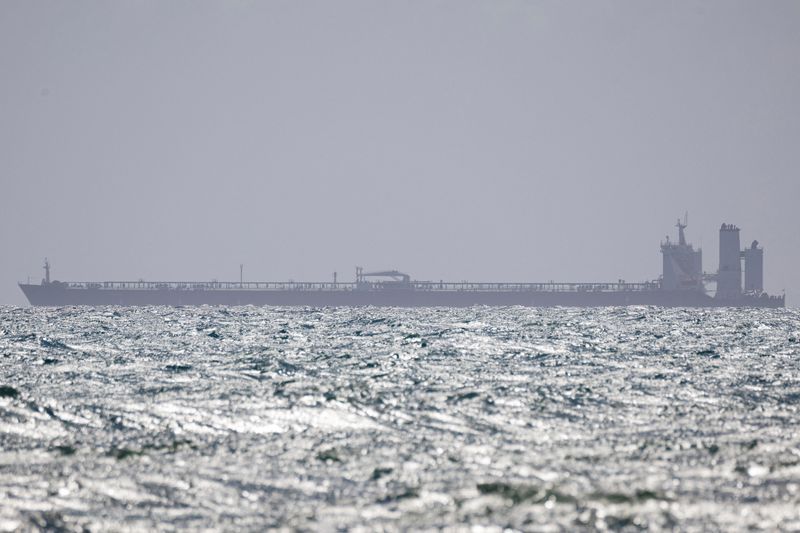
In a pivotal shift from years of hardline sanctions and confrontations, the United States is handing over seized oil tankers to Venezuela, hinting at a fragile thaw in bilateral relations amid economic desperation and geopolitical maneuvering. This move, confirmed by U.S. officials on January 28, 2026, contrasts sharply with prior aggressive postures, offering a glimmer of dialogue for a nation battered by crisis. The handover signifies a potential turning point in U.S.-Venezuela relations, with implications for both regional stability and global oil markets.
U.S. Handover of Seized Oil Tankers: A Shift in Strategy
The U.S. decision to return at least one seized tanker—previously detained for suspected sanctions violations—marks a departure from the "maximum pressure" campaign under previous administrations. Officials cited humanitarian and diplomatic considerations, allowing Venezuela to resume oil exports critical to its economy. This comes weeks after a U.S. raid on January 9, 2026, targeting alleged drug trafficking networks. Analysts see it as pragmatic recalibration: with Venezuela's oil vital to global markets and Maduro signaling openness to talks on narcotics since January 2, Washington may prioritize de-escalation over isolation. Yet, skeptics like Sen. Marco Rubio warn it legitimizes a "corrupt regime," per his recent statements.
Historical Context: The Road to 2026
Tensions escalated with the U.S.-imposed blockade in late 2025, blocking oil tankers and crippling Venezuela's revenue amid hyperinflation and shortages that displaced millions. On December 30, 2025, tankers defied the blockade to reach Venezuelan ports, heightening military standoffs. By January 2, 2026, Maduro expressed willingness for U.S. talks on drug trafficking and broader issues, amid internal protests. Russia's mediation offer on January 6 proposed joint de-escalation, followed by the U.S. raid. This timeline underscores oil dependency—Venezuela holds the world's largest reserves—shaping a cycle of sanctions, defiance, and now tentative engagement, humanizing the stakes for 7 million Venezuelans in poverty.
The Role of External Powers: Russia and Beyond
Russia, Venezuela's key ally, has deepened ties with arms sales and oil deals, viewing Caracas as a counterweight to U.S. influence in Latin America. Its January 6 offer to broker U.S.-Venezuela talks reflects strategic interests in maintaining a foothold amid its Ukraine commitments. China and Iran also prop up Maduro with loans and fuel, complicating U.S. efforts. The tanker handover could ease Russian leverage, but external powers might exploit any U.S. softening—X users note Putin's tweet praising Maduro's "resilience," while @StateDept accounts hint at coordinated diplomacy. This multipolar dynamic risks proxy escalations if negotiations falter.
Looking Ahead: Predictions for Venezuela's Geopolitical Future
The handover could spur diplomatic negotiations, stabilizing Maduro's regime short-term by boosting oil funds for social programs and quelling unrest. However, internal opposition and Rubio's vows of accountability—no further military action planned, but "justice" for Maduro—signal pressures. External actors like Russia may push back, prolonging hybrid warfare. Optimistic scenarios: U.S.-Venezuela pacts on migration and drugs by mid-2026, easing humanitarian crises. Pessimistic: Failed talks reignite blockades, fracturing alliances. On X, @JenniferSoutheast tweeted, "Tanker thaw = Maduro lifeline or U.S. trap?" capturing public wariness.
What This Means
The handover of oil tankers to Venezuela could represent a significant shift in U.S. foreign policy, potentially leading to increased diplomatic engagement and a re-evaluation of sanctions. As both nations navigate this new landscape, the implications for regional stability and global oil markets will be closely monitored. The outcome of these negotiations could either pave the way for a more stable Venezuela or lead to renewed tensions.
This is a developing story and will be updated as more information becomes available.
(Word count: 634)