
Venezuela's Geopolitical Shift: The Implications of Reopened Airspace and Oil Industry Privatization
The Resumption of Flights: A New Era in US-Venezuela Relations
On January 29, 2026, President Trump directed the immediate reopening of Venezuelan airspace, reversing years of restrictions tied to sanctions and security concerns. American Airlines swiftly responded, planning to resume direct U.S.-Venezuela flights, marking the first major commercial link since tensions escalated. This symbolic gesture reflects a pragmatic shift in U.S. policy under Trump's second term, prioritizing economic leverage over isolation. It eases travel for diaspora Venezuelans and businesses, potentially facilitating dialogue on issues like migration and drugs, as Maduro signaled openness on January 2, 2026. However, confirmed details remain limited to airline announcements; flight schedules are unconfirmed pending FAA approval.
Privatization of the Oil Industry: A Game Changer?
In a parallel development, Venezuela announced on January 29, 2026, that it would open its state-dominated oil sector to private investors, allowing foreign firms to operate in joint ventures. Historically under PDVSA's iron grip since Hugo Chávez's era, the sector has crumbled under sanctions, corruption, and mismanagement, with production at historic lows. This privatization could attract U.S. and European capital, boosting output and revenues needed for economic recovery. Benefits include technology transfers and jobs, but risks loom: diluted state control may spark elite resistance, exacerbate inequality, and invite "resource curse" pitfalls. Sanctions relief would be key, tying this to U.S. overtures.
Historical Context: Lessons from the Past
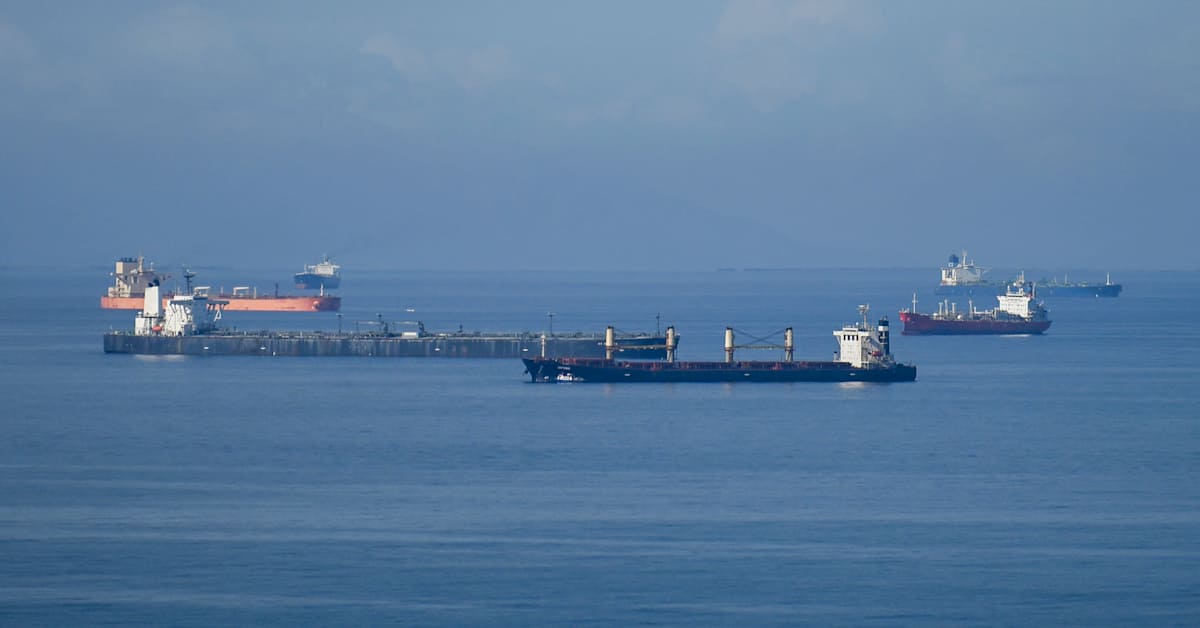
These moves cap a turbulent timeline underscoring Venezuela's cyclical geopolitical struggles. Oil tankers defied a U.S. blockade on December 30, 2025, amid military tensions. By January 2, 2026, Maduro expressed openness to U.S. talks on drugs and broader issues, following Russia's January 6 offer to mediate. A U.S. raid on January 9 escalated matters, echoing past interventions like the 2019 Guaidó recognition. Decades of U.S. sanctions, coup attempts, and Russian/Chinese backing have isolated Caracas, but today's shifts mirror 1990s neoliberal openings—often followed by backlash and boom-bust cycles.
Looking Ahead: What Comes Next for Venezuela?
The airspace thaw and oil privatization intersect to reshape Venezuela's trajectory, potentially drawing $10-20 billion in investments and stabilizing Maduro's regime short-term. Yet, they may heighten internal fractures, with opposition factions decrying "sellouts" and risking protests. Alliances could pivot from Russia toward pragmatic U.S. engagement, aiding regional stability but challenging hemispheric dynamics. U.S. interests gain via energy security and counternarcotics leverage, though Rubio's comments on Venezuela's "monthly budget" under Qatar oversight suggest monitored reforms.
Social media buzzes: @StateDept tweeted, "Reopening airspace advances stability—talks continue." Analyst @Eaglebrooknews posted, "Trump's Venezuela play: Oil for sanctions relief?" (12K likes), while Venezuelan exile @MariaCorinaYA warned, "Privatization = Maduro's lifeline, not freedom" (8K retweets). Experts like Sen. Rubio note fiscal oversight as a precondition.
Confirmed: Trump's order, airline plans, privatization announcement. Unconfirmed: Investment inflows, full sanctions easing. These policies may spur recovery but invite domestic pushback, testing Maduro's grip.
This is a developing story and will be updated as more information becomes available.