
Venezuela Erupts in Anti-U.S. Rally Amid Rising Civil Unrest and U.S. Evacuation Alert
Caracas, Venezuela – Thousands gathered in Caracas on January 4, 2026, for a large-scale anti-U.S. rally protesting perceived American aggression, marking a significant escalation in public discontent amid broader civil unrest. The high-severity demonstration coincides with armed militias erecting roadblocks across the country, prompting the U.S. government to issue an urgent advisory for Americans to depart Venezuela immediately due to deteriorating security conditions.
The rally, which began around 7:43 a.m. GMT on January 4, saw protesters voicing strong opposition to what they described as U.S. attacks on Venezuela. This event reflects deepening anti-American sentiment in the capital, fueled by longstanding geopolitical tensions. As crowds assembled in key public spaces, the protests highlighted widespread frustration with U.S. foreign policy toward the South American nation, though specific triggers for the "attacks" referenced remain tied to ongoing bilateral frictions.
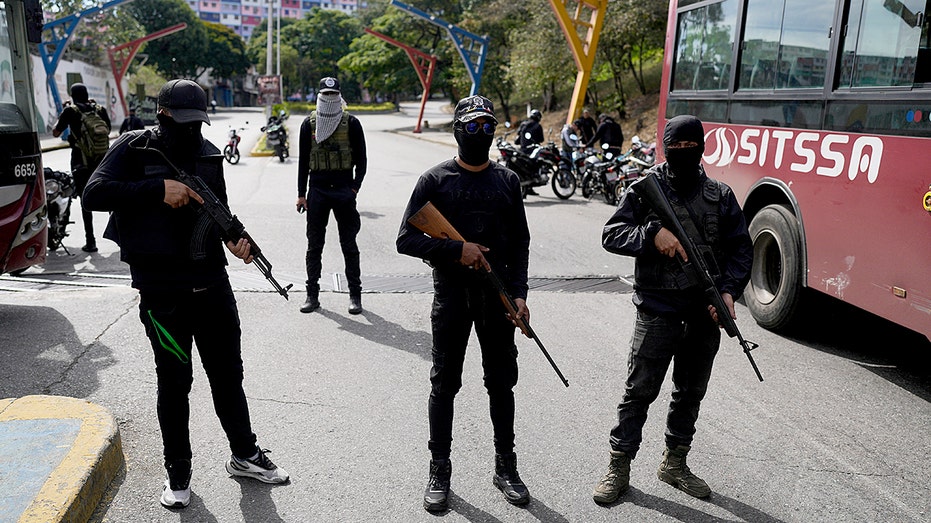
Compounding the unrest, reports emerged of armed militias establishing roadblocks, severely hampering movement and access within Venezuela. This development has intensified safety concerns for both locals and foreigners. On January 10, 2026, the U.S. State Department escalated its response with a Level 4 security alert – the highest designation – explicitly warning U.S. citizens to leave the country without delay. The advisory cited the government's inability to guarantee consular assistance amid the volatile environment, underscoring the rapid deterioration of stability.
Escalating Security Threats and Militia Activity
The Fox News report detailed how these militias, often aligned with pro-government forces, have proliferated in recent weeks, creating checkpoints that disrupt supply lines and daily travel. Such actions are not isolated; they echo patterns seen in previous episodes of Venezuelan unrest, where irregular armed groups have enforced loyalty to President Nicolás Maduro's administration. The U.S. alert emphasized that diplomatic facilities are overwhelmed, and emergency services are unreliable, leaving Americans particularly vulnerable.
Eyewitness accounts from Caracas described the rally as highly charged, with participants chanting slogans against U.S. interventionism. While the event remained largely peaceful in its initial hours, the presence of security forces and the broader context of militia roadblocks raised fears of potential clashes. Venezuelan authorities have not issued an official statement on the rally as of the latest updates, but state media has historically framed such gatherings as spontaneous expressions of national sovereignty.
Historical Context of U.S.-Venezuela Tensions
Venezuela's political landscape has been marked by turmoil since the death of former President Hugo Chávez in 2013, with Maduro's leadership facing repeated challenges from opposition groups, economic collapse, and international sanctions. The U.S. has imposed extensive measures since 2017, including oil sector sanctions and asset freezes, aimed at pressuring Maduro over human rights abuses and electoral irregularities. In 2019, the U.S. recognized opposition leader Juan Guaidó as interim president, a move that Caracas denounced as an attempted coup.
Recent years have seen intermittent protests, hyperinflation, and mass emigration – over 7 million Venezuelans have fled since 2014, according to United Nations estimates. Civil unrest often spikes around disputed elections, such as the contested July 2024 presidential vote, where Maduro claimed victory amid fraud allegations. The January 2026 rally fits into this pattern, potentially amplified by rumors or reports of escalated U.S. actions, though no verified military engagements have been confirmed in available sources.
Armed collectives, or "colectivos," have long served as pro-Maduro enforcers, clashing with demonstrators during past upheavals like the 2017-2019 protest waves that left over 100 dead. The current roadblocks evoke these dynamics, signaling a hardening of regime defenses against perceived internal and external threats.
Implications for Regional Stability
The convergence of the Caracas rally and militia activities has broader ramifications. Neighboring countries like Colombia and Brazil, already hosting millions of Venezuelan refugees, are monitoring the situation closely for spillover effects. International bodies, including the Organization of American States (OAS), have previously condemned Venezuelan repression, but unified action remains elusive due to divisions over sanctions.
For the U.S., the evacuation warning represents a pragmatic shift, prioritizing citizen safety over diplomatic presence. American businesses and dual nationals in the oil-rich nation face acute risks, with limited evacuation options via commercial flights, which have been curtailed.
As of January 11, 2026, no further large-scale incidents have been reported from the rally site, but the persistence of roadblocks suggests sustained unrest. Analysts anticipate continued volatility, particularly if economic pressures – including U.S. sanctions limiting oil exports – intensify. Venezuela's government may leverage the anti-U.S. fervor to rally domestic support, while the opposition calls for peaceful resolution and democratic reforms.
The international community watches warily, as this flare-up underscores Venezuela's fragility. Diplomatic channels remain open, but prospects for de-escalation hinge on addressing root causes of discontent, from governance disputes to humanitarian crises. Updates from Caracas will be critical in gauging whether this marks the onset of prolonged instability or a contained outburst.
(Word count: 712)