U.S. Military Strikes: A New Era of Engagement in the Balkans Amid Rising Tensions
Overview of U.S. Military Action
Washington, D.C. – In a significant escalation of U.S. counter-narcotics operations, American forces launched precision airstrikes on suspected drug trafficking hubs in the Balkans early today. This marks the first direct military action in the region since the 1999 Kosovo campaign. The strikes targeted networks allegedly linked to Venezuelan cartels and Iranian proxies, signaling a bold pivot in U.S. foreign policy toward Europe's volatile underbelly, contrasting with high-casualty raids in Latin America and amid Iranian threats to U.S. Middle East bases.
Details of the Strikes
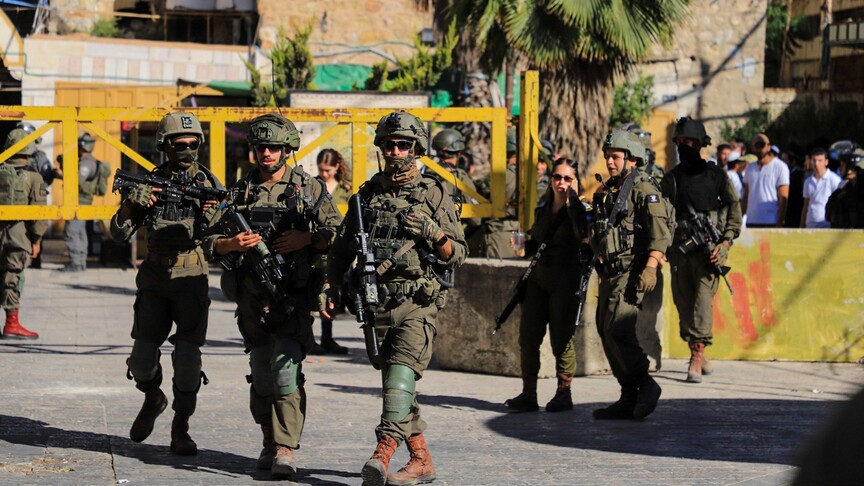
U.S. Central Command confirmed that the strikes hit three sites in northern Albania and southern Serbia, destroying speedboats and warehouses used for smuggling cocaine from South America via Mediterranean routes. No U.S. casualties were reported, but local officials confirmed 12 deaths, including alleged traffickers. This follows a January 2026 timeline of intensifying operations: U.S. strikes on drug boats off Venezuela on Jan. 1, injuries to U.S. forces in a Maduro-linked raid on Jan. 6, a death toll reaching 100 by Jan. 8, and lawsuits from affected families by Jan. 27. Immediate consequences include heightened border alerts across the Balkans and NATO airspace restrictions.
Historical Context & Strategic Implications
These strikes draw stark parallels to past U.S. engagements, evolving from Caribbean interdictions in the 1980s—like Grenada and Panama—to Middle East operations against Iranian-backed militias. The 2026 timeline underscores continuity: initial naval hits on drug vessels echo Reagan-era tactics, while the Maduro raid mirrors drone-heavy strategies in Yemen and Syria. Unlike Latin America's regime-change optics or the Middle East's proxy wars—where Iran now lists 19 U.S. bases as missile targets per recent reports—this Balkan action targets transnational crime amid simmering Kosovo-Serbia tensions, blending counter-drug efforts with regional stability operations.
Why This Matters
This represents a strategic recalibration for U.S. foreign policy, extending the "War on Drugs" into NATO's backyard to disrupt global supply chains fueling Europe's opioid crisis. Contrasting Latin America's bloody ground operations (100+ deaths) and Middle East aerial campaigns, Balkan strikes emphasize precision to avoid quagmires, bolstering alliances like the U.S.-Albania defense pact. Yet, it risks inflaming ethnic fault lines, potentially destabilizing EU enlargement and drawing Iran deeper via proxy smuggling networks. For stakeholders—NATO, Balkan states, and Washington—it tests commitments to collective defense while signaling zero tolerance for hybrid threats blending crime and geopolitics.
Reactions from Balkan Leaders
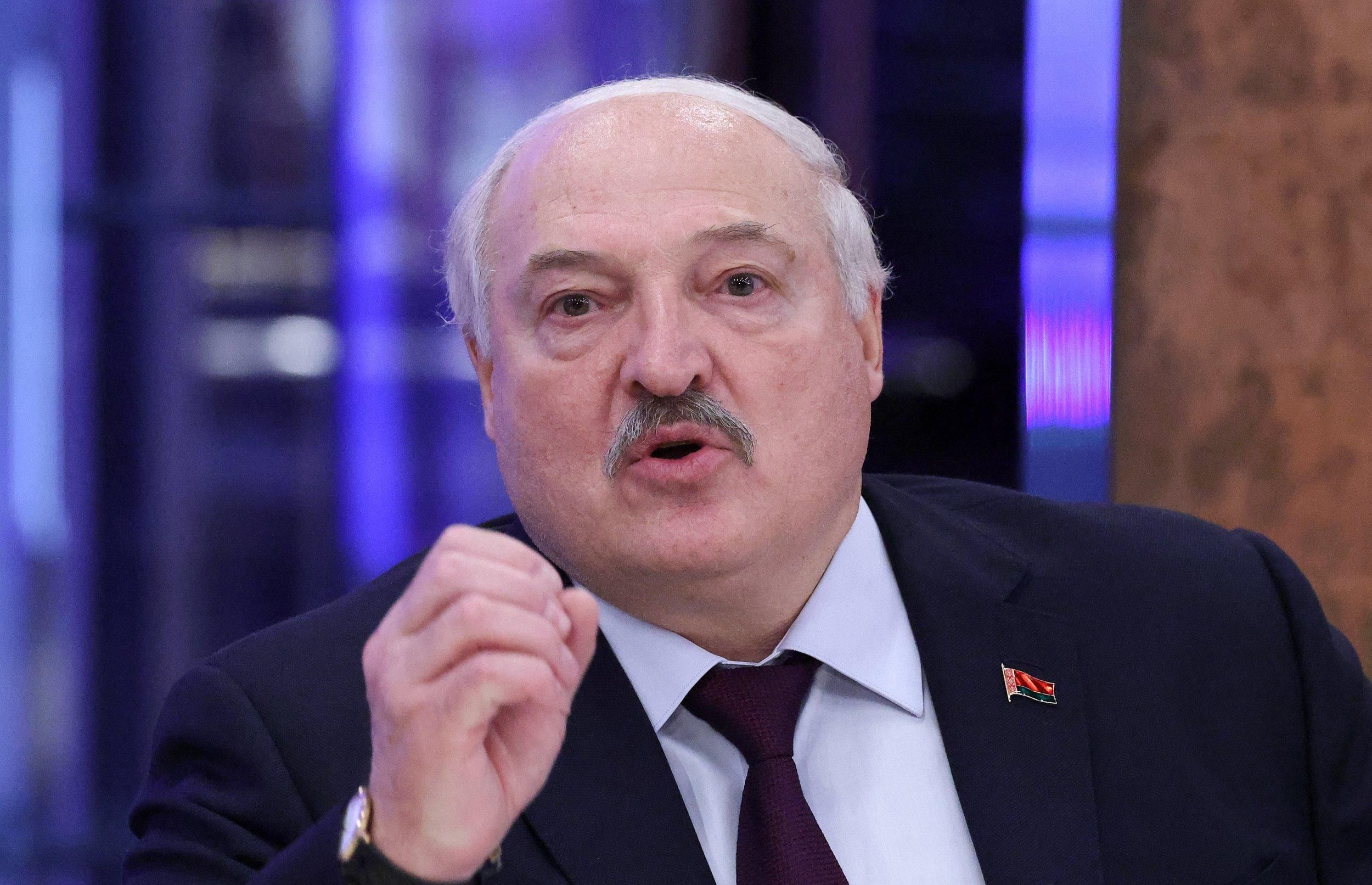
Balkan leaders reacted swiftly: Albanian PM Rama hailed the strikes as "vital to sovereignty," tweeting, "United against cartels terrorizing our youth." Serbia condemned them as "aggression," with President Vucic posting, "NATO's puppets strike again—Balkans aren't Colombia." NATO's Stoltenberg urged restraint: "Coordinated action essential." Adversaries bristled; Iranian state media linked it to U.S. "encirclement," echoing threats to Middle East bases. On X, #BalkanStrikes trended: @BalkanInsight analyst tweeted, "US from Maduro to Tirana: drugs as casus belli?" while @GlobalSecurity warned, "Iran sees this as prelude to wider proxy war" (12K likes). U.S. hawks like Sen. Rubio praised: "Finally hitting the veins of the cartel empire."
Looking Ahead: What This Means for the Region
Expect a surge in U.S. military presence, including drone bases in Albania and joint patrols with Kosovo forces. New alliances may emerge, like trilateral U.S.-Greece-Montenegro pacts, countering Russian influence. Watch for Iranian retaliation via Hezbollah-linked smugglers or missile posturing against U.S. assets. Policy shifts could prioritize naval interdiction over invasions, but lawsuits from prior operations loom large—escalation hinges on confirmed cartel-Iran ties. Regional stability hangs in the balance amid EU mediation efforts.
This is a developing story and will be updated as more information becomes available.