
The Coming Storm: Analyzing the Implications of Trump's Alleged Orders for Military Action Against Iran
Trump's Alleged Orders: A Catalyst for Regional Instability
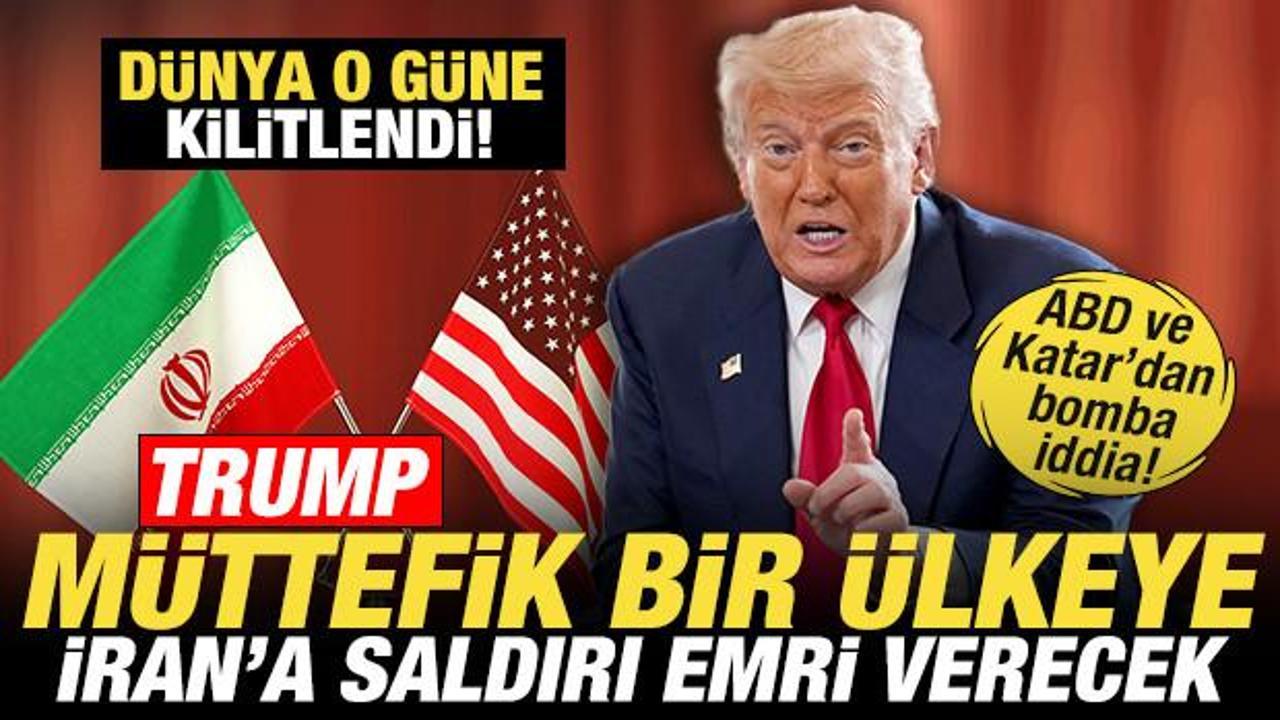
The Haber7 report claims Trump has directed an unnamed ally—speculated to be Israel or a Gulf state—to prepare strikes on Iranian targets, framing it as a preemptive move against Tehran's nuclear ambitions and proxy attacks. Motivations appear rooted in Trump's "maximum pressure" doctrine from his first term, revived amid the ongoing Iran-Israel War that erupted on December 31, 2025.
Currently, there has been no official White House denial or confirmation; U.S. officials describe the claim as "speculative." If true, it could strain U.S. alliances. NATO partners like Turkey, the source of the leak, may balk at entanglement, while Saudi Arabia and the UAE—wary after the 2019-2020 tanker crises—face pressure to join. Adversaries like Russia and China could exploit divisions, bolstering Iran's defenses and risking the fracturing of the Abraham Accords, which could isolate America diplomatically.
Iran's Strategic Response: Mobilization and Military Readiness
Iran's military has ramped up its readiness since January 14, 2026, when Supreme Leader Khamenei declared a state of readiness amid Trump's warnings. By January 29, Iranian Revolutionary Guard units had mobilized near Tehran, according to U.S. media reports, in response to the U.S. Carrier Strike Group (USS Abraham Lincoln) arriving off Iran's coast on January 27.
Historically, Iran draws lessons from the 1980-88 Iran-Iraq War and the 2020 Soleimani strike, employing asymmetric warfare via proxies (such as Houthis and Hezbollah) and ballistic missiles. Recent posturing includes drills in the Strait of Hormuz, which threatens 20% of global oil supply. Tehran has vowed a "crushing response," signaling its intent to deter a full invasion similar to Iraq in 2003.
The Broader Geopolitical Landscape: Allies and Adversaries React
Key players are on edge. Israel, locked in war with Iran since late 2025, may execute strikes but fears retaliation from Hezbollah. Gulf states like Saudi Arabia are bolstering their defenses, recalling the 2019 Abqaiq attacks. Meanwhile, adversaries such as Russia are supplying Iran with S-400 systems, and China is eyeing potential oil disruptions.
The implications for U.S. policy are profound: Trump's alleged order could signal a shift towards "America First" isolationism, outsourcing military action to allies and eroding U.S. credibility following the Afghanistan withdrawal. This situation could potentially spike oil prices to $150 per barrel, inflating U.S. gas prices significantly.
Social media reactions are varied: Analyst @IanBremmer tweeted, "Trump's alleged Iran order? Echoes 2003 WMD folly—regional powers won't follow blindly. #MiddleEastStorm." Iranian state media RT'd: "Zionist puppets prepare doom." Gulf user @MEWatcher commented: "KSA stays neutral; no repeat of Yemen quagmire."
What This Means
The potential for escalation is significant. Precedents from 2019 suggest various scenarios: diplomatic off-ramps via Oman talks or escalations leading to strikes that could provoke Hezbollah retaliation and further U.S. involvement. Think tanks estimate the odds of a broader war have risen by 40%. Key developments to watch include an emergency session of the UN Security Council, movements of naval carriers, and statements from U.S. allies by February 1.
This is a developing story and will be updated as more information becomes available.
(Word count: 606)