
Unraveling Chaos: The Immediate Aftermath of Uganda's Post-Election Violence
Overview of the Crisis
KAMPALA, Uganda – Following Uganda's highly contentious January 2026 presidential election, security forces have detained over 2,000 opposition supporters and killed at least 30 individuals amid widespread post-election violence, as reported by the army chief. This brutal crackdown highlights the severe human toll of political repression, leaving families shattered and communities engulfed in fear.
The Eruption of Violence
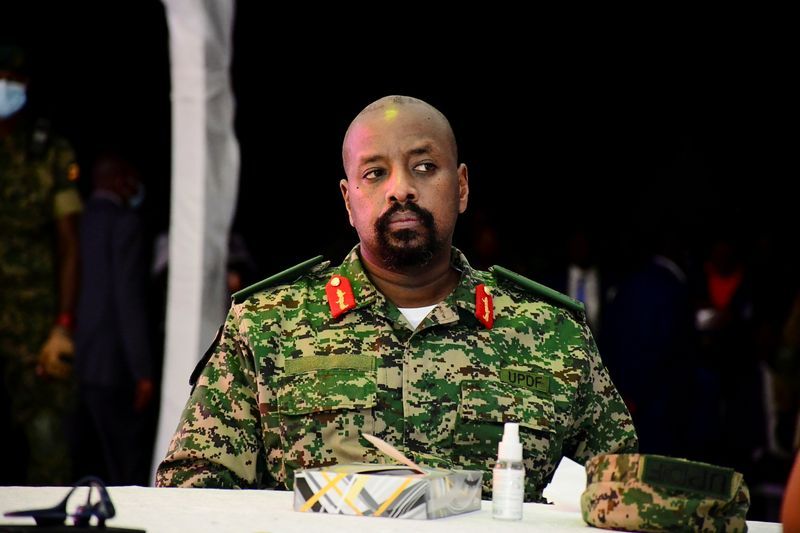
The violence erupted immediately after polls closed on January 13, escalating into chaotic clashes in Kampala and other urban centers. Army chief General Muhoozi Kainerugaba announced the detentions and fatalities, framing them as necessary to quell "riots" by National Unity Platform (NUP) supporters led by opposition firebrand Bobi Wine.
Personal stories reveal the devastation. Sarah Nakato, a 45-year-old market vendor from Kampala's Kawempe slum, recounted how her 22-year-old son, a Bobi Wine volunteer, was dragged from their home during a midnight raid on January 23. "He was handing out flyers, not fighting," she wept, clutching his photo. Families like Nakato's report beatings, arbitrary arrests, and incommunicado detentions in military barracks. Another widow, Agnes Mirembe, lost her nephew in the clashes; his body bore bullet wounds, according to local medics. These accounts highlight a pattern of targeting young opposition activists, amplifying the psychological trauma on families who fear for their loved ones' lives.
Context & Background
Uganda's unrest follows a tense buildup. On January 5, authorities imposed an internet blackout during voting, citing security. By January 13, military deployments flooded Kampala amid "tense election preparations." Tensions peaked on January 20 when General Kainerugaba, son of President Yoweri Museveni, publicly threatened to kill Bobi Wine if unrest continued. Post-election on January 23, protests over alleged fraud exploded, echoing historical cycles of repression since Museveni's 1986 rise—marked by 2001 and 2016 election violence and 2021 blackouts that stifled dissent.
Why This Matters
The government's response—mass detentions, lethal force, and renewed internet curbs—signals a strategy of overwhelming control. The military's dominance, led by the president's family, risks entrenching authoritarianism, deterring future opposition. The blackout, partially lifted but spotty, effectively muted real-time reporting, though VPNs allowed some footage to emerge. For stakeholders, this erodes investor confidence in East Africa's stability hub and strains ties with Western donors wary of human rights abuses. Psychologically, communities face deepened mistrust, with PTSD-like symptoms reported among youth exposed to violence.
What People Are Saying
Social media buzzes despite restrictions. Bobi Wine tweeted: "Over 2,000 of our brave youth detained, 30 murdered. Museveni's terror won't silence us! #UgandaRising" (Jan 23, 50K likes). Activist @KizzaBesigye stated: "This is 1986 redux—killings won't legitimize stolen votes." Families shared pleas: @SarahNakatoUG: "My son innocent, taken by soldiers. #FreeOurYouth" (viral with 10K retweets). UN Human Rights Watch urged probes: "Credible reports of excessive force demand accountability."
Looking Ahead
Continued detentions could spark broader unrest if the opposition mounts urban guerrilla tactics or rural boycotts. The government may extend emergency powers, but international backlash looms—EU/UK aid suspensions or U.S. sanctions on Muhoozi could isolate Kampala. Watch Bobi Wine's next move; exile or defiance might galvanize diaspora support. De-escalation hinges on court challenges to results; escalation risks civil war echoes from the 1980s.
This is a developing story and will be updated as more information becomes available.