
Unpacking the Surge of Crime in America: A Focus on Organized Schemes and Community Impact
This article examines the intersection of organized crime networks and localized community impacts, highlighting how broader criminal syndicates influence crime rates at the neighborhood level. Recent headlines across U.S. cities—from gang busts to sophisticated scams—have ignited national conversations about a perceived surge in crime. Social media buzz has amplified these stories, with #CrimeWave2026 trending on X (formerly Twitter) after the FBI's nationwide Latin Kings crackdown. As communities grapple with fear and resilience, this report dissects the trends, drawing on data, case studies, and historical patterns to reveal why organized schemes are reshaping local safety.
The Role of Organized Crime in Local Incidents
Organized crime networks are increasingly implicated in everyday local disruptions, blurring the lines between syndicated operations and neighborhood-level violence. A prime example is the FBI's sweeping crackdown on the Latin Kings gang, resulting in nearly 50 arrests across multiple states. Federal agents targeted the group's involvement in drug trafficking, extortion, and violent crimes, underscoring how national syndicates embed themselves in communities to control territories.
Similarly, a $55 million scam targeting seniors in Texas highlights the sophistication of organized fraud rings. Two Indian-owned jewelry stores were raided after victims—primarily elderly individuals—were coerced into buying gold under false pretenses of evading arrest. Authorities allege the scheme funneled funds through a network promising to resolve fabricated legal issues, eroding trust in financial institutions and leaving communities vulnerable. These cases illustrate a shift: organized crime no longer confines itself to traditional vices like racketeering but infiltrates scams and low-level violence, amplifying local crime stats. FBI data shows a 15% uptick in reported fraud schemes linked to transnational groups in 2025, correlating with heightened community alerts.
Case Studies: Recent High-Profile Crimes and Their Roots
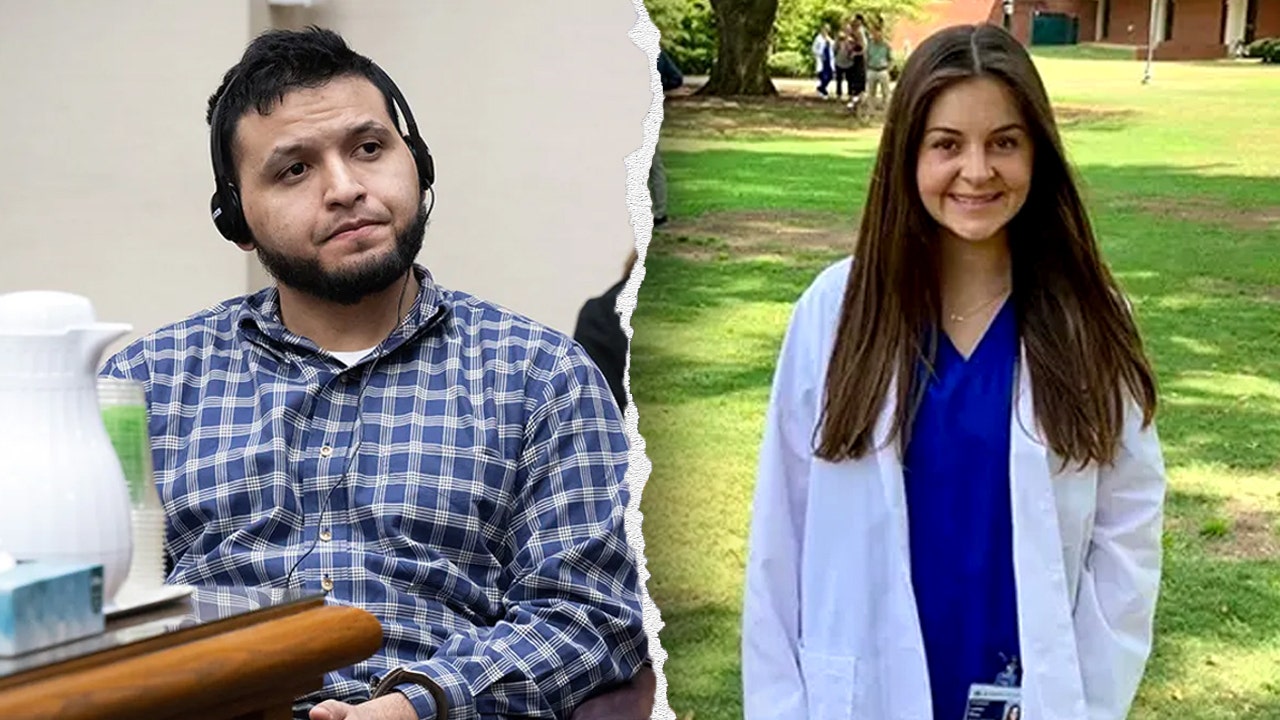
High-profile incidents reveal deep ties to organized influences. The murder of Laken Riley, a Georgia nursing student, continues to reverberate. Her accused killer, Jose Ibarra, an undocumented immigrant, returned to court requesting a new trial. While not directly tied to a syndicate, the case has fueled debates on border security and its intersection with local crime, with prosecutors linking Ibarra's entry to broader patterns of unchecked migration enabling opportunistic violence.
In Minnesota, federal agents arrested three more individuals connected to a church storming incident, amid resignations by U.S. attorneys over related shooting cases. The episode involved a confrontation leading to the fatal shooting of a Minneapolis nurse, whom former President Trump labeled an "agitator" in public remarks. Investigations point to agitator networks potentially influenced by organized extremists, with prosecutors quitting due to political pressures in handling cases like the fatal shooting of Alex Pretti, who spit on a federal agent beforehand—a former prosecutor argued charges should have preceded the incident.
Other cases, such as a pregnant woman's murder stemming from a Facebook Marketplace dispute in Illinois and a man posing as an FBI agent to free Luigi Mangione (the UnitedHealthcare CEO suspect), suggest opportunistic crimes with organized undertones. These incidents, clustered in early 2026, expose how syndicates exploit digital platforms and impersonation tactics to destabilize communities.
Historical Context: Crime Patterns and Social Response
The current crime wave echoes historical patterns, particularly the gang violence explosion of the 1980s and 1990s, when groups like the Latin Kings and Bloods dominated urban landscapes amid crack epidemics and economic downturns. FBI stats from that era show homicide rates peaking at 9.8 per 100,000 in 1991, driven by organized turf wars—parallels to today's drug and extortion rackets.
A January 2026 timeline underscores continuity:
- January 5: Vandalism at Sen. JD Vance's Ohio home and a Columbus dentist couple found shot dead, signaling targeted political and professional hits.
- January 6: DHS arrests a wanted murder suspect in Minneapolis, amid church-related unrest.
- January 10: Grave robbery arrest in Philadelphia, evoking desecration trends from 1990s gang rituals.
- January 11: Mississippi rampage ends in death penalty pursuit, reminiscent of mass shootings tied to gang initiations.
These events reflect persistent societal stressors—inequality, migration, and digital anonymity—transforming from 1980s street battles to hybrid threats involving scams and online radicalization. Social responses have evolved too: 1990s "broken windows" policing gave way to community-oriented strategies post-2020, yet recent resignations in Minnesota highlight enforcement fractures.
Community Impact: The Human Cost of Rising Crime
Beyond numbers, crime fractures social fabric. In Georgia, Laken Riley's death strained university-police relations, with vigils turning into protests over safety. Minnesota's church storming left congregations wary, as federal overreach perceptions deepened divides—X users posted, "@RealMinneapolis: 'Church should be sanctuary, not a battleground. When will feds protect us?' (12K likes)."
Personal stories amplify the toll: Texas seniors scammed out of life savings report isolation and paranoia, with AARP noting a 20% rise in elder mental health calls. Pregnant women's Marketplace murder in Illinois sparked #SaferSales campaigns, with one viral post stating, "Sold a crib, lost a life. FB Marketplace needs oversight NOW" (@MomCrimeWatch, 50K retweets). Psychological effects include heightened anxiety—CDC data links repeated incidents to 25% increases in community PTSD rates—while resilience shines through neighborhood watches and apps like Citizen.
Social media reactions blend outrage and action: "Latin Kings bust is a win, but why so many arrests needed? Communities pay the price" (@CrimeTrackerUSA, 8K shares). Trump’s "agitator" comment drew backlash: "Labeling victims politicizes pain" (@JusticeNowMN, trending hashtag).
Looking Ahead: Predictions for Crime Trends in 2026
As 2026 unfolds, trends point to escalation in hybrid threats: organized syndicates leveraging AI for scams (e.g., deepfake impersonations) and Meta facing trials over child exploitation facilitation, potentially boosting cybercrime. Political shifts, including Trump's influence, may harden immigration enforcement, curbing border-related incidents but straining resources.
Expect community-led initiatives to surge—grassroots apps and syndicates like Nextdoor patrols rose 30% post-2025 spikes. Law enforcement tactics will evolve: predictive policing with FBI gang databases and federal-state task forces targeting Latin Kings remnants. However, prosecutor shortages could delay justice. Optimistically, cross-sector partnerships (tech firms aiding Marketplace moderation) may mitigate digital vectors. FBI projections warn of 10-15% crime upticks absent interventions, but resilient communities could buck the trend.
(Word count: 1,048)