
Trump-Mexico Tensions Escalate: Military Option Floated Amid Oil Export Scrutiny Over Cuba
Mexico City/Washington, January 12, 2026 – Relations between the United States and Mexico have entered a new phase of strain following statements from Mexican President Claudia Sheinbaum revealing that U.S. President-elect Donald Trump raised the possibility of U.S. military intervention in Mexico during recent discussions. This disclosure, made public on January 5, coincides with growing U.S. pressure on Mexico over its hydrocarbon exports to Cuba, as Washington shifts its focus from Venezuela to Mexico's trade practices ahead of a key USMCA review.
The revelation about potential U.S. military involvement emerged from Sheinbaum's account of conversations with Trump, highlighting a medium-severity geopolitical flashpoint that underscores ongoing frictions over border security, drug cartels, and trade. While specifics of the exchange remain limited, it echoes Trump's long-standing rhetoric on deploying U.S. forces to combat Mexican cartels, which he has previously labeled as terrorist organizations. In 2019, during his first term, Trump threatened military action against cartels unless Mexico intensified its crackdown on fentanyl trafficking and migration.
Simultaneously, a separate but related pressure point has surfaced regarding Mexico's oil shipments to Cuba. According to reporting from El País, with the U.S. now exerting control over Venezuela's crude oil production—following political shifts in Caracas that allowed greater American influence—the spotlight has turned to Mexico's role in supplying hydrocarbons to the Caribbean island. Mexico, under the administrations of Andrés Manuel López Obrador and now Sheinbaum, has maintained a policy of solidarity with Cuba, exporting refined products and crude despite U.S. sanctions aimed at isolating Havana.
The El País article details how these shipments, valued in the millions of barrels annually, could face repercussions through the upcoming 2026 review of the United States-Mexico-Canada Agreement (USMCA). The trade pact, which replaced NAFTA in 2020, mandates a comprehensive review this year, providing Trump with leverage to demand concessions. U.S. officials have expressed concerns that Mexico's exports undermine American efforts to enforce sanctions on Cuba, potentially violating the spirit of regional energy trade rules under USMCA Chapter 22 on energy.
Mexican Foreign Minister Juan Ramón de la Fuente acknowledged the discussions in a January 10 briefing, stating, "We have assured the U.S. side of our commitment to sovereignty and non-intervention, while emphasizing our humanitarian aid to Cuba does not contravene international law." Sheinbaum echoed this in her January 5 statement, framing Trump's military remarks as part of broader negotiations: "President Trump mentioned various scenarios, including military cooperation, but Mexico will defend its territory and decisions."
Background on U.S.-Mexico Geopolitical Dynamics
U.S.-Mexico relations have been marked by volatility since Trump's first presidency, defined by trade wars, border wall disputes, and the fentanyl crisis. Over 100,000 Americans died from synthetic opioid overdoses in 2024 alone, with Mexican cartels identified by the DEA as primary suppliers. Trump has repeatedly proposed designating cartels like Sinaloa and Jalisco New Generation as foreign terrorist organizations, a move that could justify extraordinary measures, including military incursions—a concept floated in his 2024 campaign.
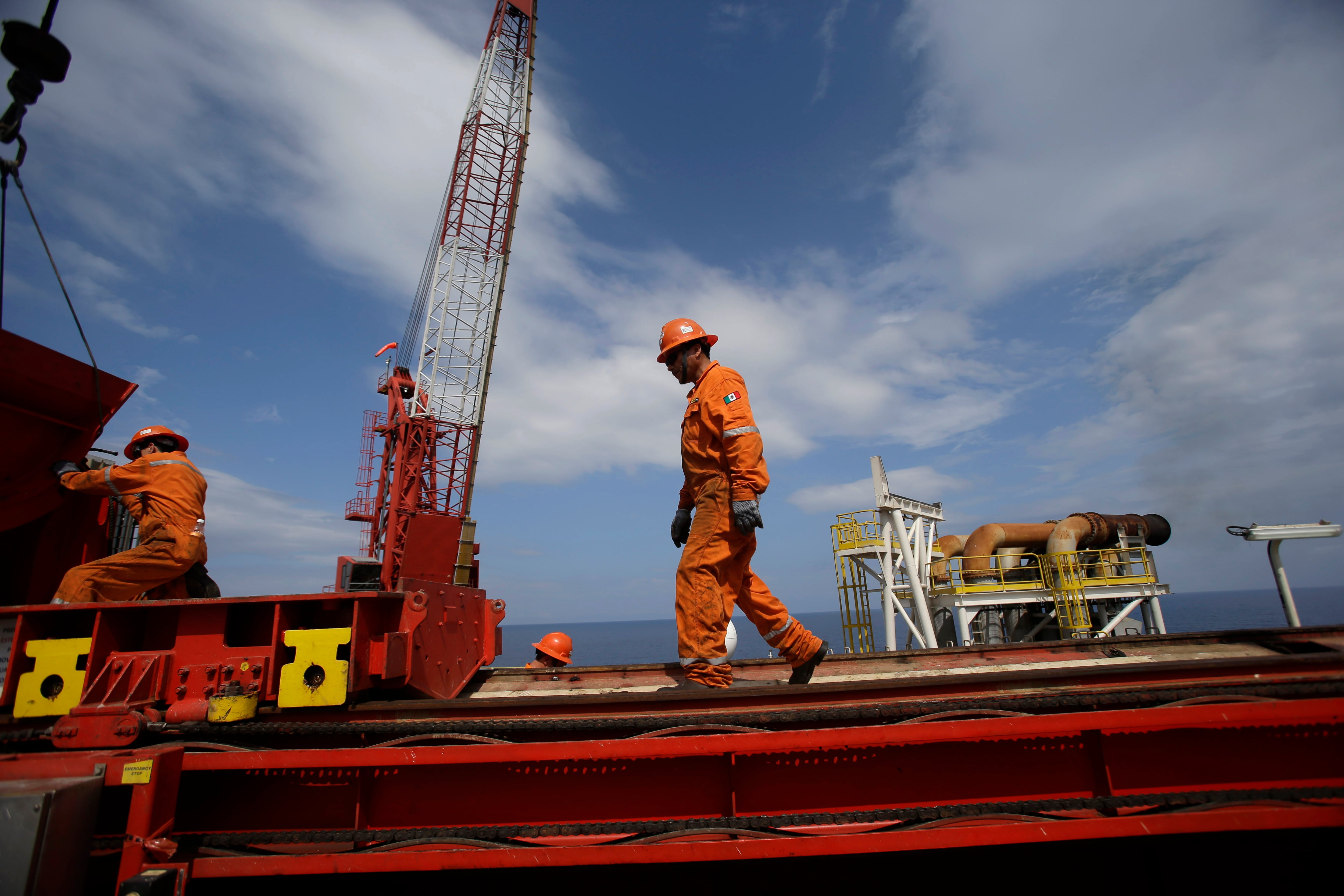
On the energy front, Mexico's state-owned Pemex has ramped up exports to Cuba since 2022, shipping approximately 30,000 barrels per day of diesel and other fuels amid Havana's energy shortages. This policy, rooted in leftist solidarity, persisted despite U.S. complaints. The U.S. takeover of Venezuelan oil influence stems from the opposition's victory in late 2025 elections and subsequent deals allowing American firms like Chevron to resume operations, reducing Cuba's reliance on Caracas and redirecting scrutiny southward.
The USMCA review, set for formal consultations in mid-2026, covers labor, environment, digital trade, and energy provisions. Analysts note Trump's team has signaled intentions to renegotiate terms unfavorable to U.S. interests, potentially imposing tariffs on Mexican autos or agriculture if oil-to-Cuba flows continue.
Broader Implications and Outlook
Mexican officials have responded defiantly, with Economy Minister Marcelo Ebrard warning that any military suggestion would violate international law and strain bilateral ties. "Mexico is not a colony," Ebrard said on January 6. Public opinion in Mexico, per a Mitofsky poll from January 8, shows 68% opposition to U.S. troops on Mexican soil, evoking memories of the 1846-1848 Mexican-American War.
From Washington's perspective, the dual pressures—security and trade—align with Trump's "America First" agenda. Incoming Secretary of State Marco Rubio, a vocal Cuba hawk, has advocated secondary sanctions on nations aiding Havana, which could ensnare Mexican firms.
As the USMCA review looms, diplomatic channels remain open. A scheduled Sheinbaum-Trump call on January 15 may address these issues directly. Economists warn that escalation could disrupt North American supply chains, given Mexico's role as the U.S.'s top trading partner with $800 billion in annual bilateral trade.
While no immediate military action is anticipated, these developments signal a rocky start to Trump's second term for U.S.-Mexico relations, balancing security imperatives against economic interdependence.
(Word count: 712)