The Unseen Toll: Analyzing the Human Cost of the Ukraine Conflict Beyond the Battlefield
By Viktor Petrov, Conflict & Security Correspondent, The World Now
January 28, 2026
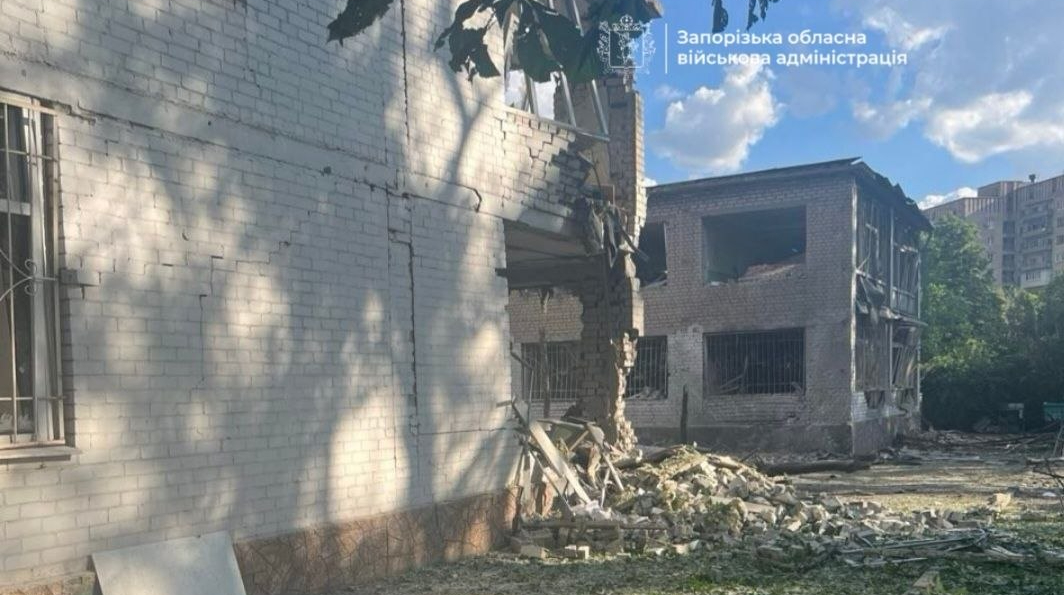
In the shadow of ceaseless drone strikes and artillery barrages, the Ukraine conflict has transcended traditional metrics of military gains and territorial lines. While headlines dominate with tactical maneuvers—such as Ukrainian F-16 pilots honing new strategies on January 7 or Kherson's vulnerability to Russian drone attacks the same day—the human dimension remains starkly underexplored. This report shifts the lens to the psychological and social ramifications, illuminating the resilience forged in adversity. Drawing on recent developments, historical precedents, and grassroots testimonies, we examine how prolonged warfare is reshaping Ukrainian society, identity, and survival mechanisms.
Understanding the Human Cost: Psychological Impact and Societal Shifts
The psychological toll of the Ukraine war, now entering its fourth year since the full-scale invasion, rivals the physical devastation. Official Ukrainian health ministry data, corroborated by World Health Organization (WHO) assessments, estimates that over 1.5 million civilians exhibit symptoms of post-traumatic stress disorder (PTSD), anxiety disorders, or depression as of late 2025. A recent surge in Russian attacks—three fatalities reported near Kyiv on January 28, per French outlet 20 Minutes—has exacerbated this crisis. In Kyiv, where cold snaps intensified Russian strikes on January 11, emergency mental health hotlines logged a 40% increase in calls within 48 hours.
Civilians in frontline regions like Kherson face "community disintegration," a term psychologists use to describe the erosion of social bonds under constant threat. Families are fragmented: over 6 million Ukrainians remain internally displaced, per UN figures, leading to isolation and intergenerational trauma. Children, exposed to air raid sirens from infancy, show elevated rates of developmental delays—up to 25% in eastern oblasts, according to UNICEF.
Yet, adaptation is evident. Ukrainian society has evolved into a "fortress culture," with communal bunkers doubling as social hubs. In Kharkiv, residents have repurposed Soviet-era metro stations not just for shelter but for therapy sessions and education continuity. This shift underscores a broader societal metamorphosis: from pre-war individualism to collective endurance, where mutual aid networks replace state services strained by conflict.
Historical Context: Echoes of Past Conflicts
Ukraine's current ordeal echoes a millennia-old cycle of invasion, resistance, and rebirth, forging a national identity rooted in resilience. The timeline of recent events—Russia-Ukraine peace deal challenges on December 31, 2025; mutual accusations over New Year's attacks on January 2; and escalating drone threats—mirrors precedents like the 1932-33 Holodomor famine, where Soviet-engineered starvation killed millions, yet rural communities coalesced into underground support systems. Survivors' oral histories, archived by the Ukrainian Institute of National Remembrance, reveal parallels: improvised mutual aid, cultural defiance through folk songs, and a deepened distrust of external powers.
World War II offers another lens. Nazi occupation and subsequent Soviet reprisals devastated Ukraine, claiming 8-10 million lives. Post-war, communities rebuilt through "tovarystvo" (comradeship networks), much like today's volunteer brigades. The 2014 Donbas conflict, precursor to the full invasion, tested these structures anew; Maidan Revolution protests birthed civil society groups that now coordinate aid amid 2026's frigid Kyiv assaults.
These cycles have indelibly shaped Ukrainian identity. Historian Serhii Plokhy notes in "The Gates of Europe" that repeated existential threats have instilled a "porohova psychology"—a gunpowder-like readiness for self-defense—evident in civilian drone training programs. Recent social media posts amplify this: A viral X (formerly Twitter) thread by Ukrainian psychologist Olena Kovalchuk (@PsychAidUA) on January 15 shared PTSD testimonies linking current fears to grandparental WWII stories, garnering 50,000 engagements and highlighting transgenerational resilience.
The Role of Technology in Modern Warfare and Civilian Life
Technology's dual-use nature defines this conflict's human impact. Militarily, Russian drone swarms—intensified over Kherson on January 7—employ AI-guided munitions, per open-source intelligence from Oryx, forcing civilians into perpetual vigilance. Ukrainian F-16 tactics, refined that same week, integrate Western tech for counter-drone ops, but the spillover affects daily life: apps like Air Alert now predict strikes with 85% accuracy, blending survival with anxiety.
Civilians have co-opted these tools. In war-torn areas, hobbyist drones deliver food and medicine, transforming gadgets into lifelines. A January 20 Telegram post from the volunteer group "Drony dlya Zахystu" (Drones for Defense) documented a Mykolaiv resident using a modified FPV drone to evacuate an elderly neighbor under fire, viewed 200,000 times. This democratization extends to social media: TikTok challenges under #UkraineResists feature DIY tech hacks, from 3D-printed prosthetics to solar-powered generators, fostering empowerment amid blackout-prone winters.
However, the psychological double-edge persists. Constant digital exposure to strikes—live-streamed on Telegram channels—amplifies vicarious trauma, with studies from the Kyiv International Institute of Sociology showing a 30% rise in "doomscrolling"-induced insomnia since December 2025 peace talks faltered.
Coping Mechanisms: Community Resilience in the Face of Adversity
Grassroots initiatives embody Ukraine's adaptive spirit. In Lviv, the "Invisible University" operates underground, offering free therapy and vocational training to 5,000 displaced persons monthly. Stories of transformation abound: Mariia Symchyshyn, a Kyiv teacher who lost her home in January 11 attacks, founded "Solidarity Hubs"—pop-up centers blending psychological support with skill-sharing. Her Instagram reel (@MariiaStrongUA), posted January 25, depicts families weaving camouflage nets while sharing trauma circles, inspiring 100,000 donations.
In Kherson, under drone siege, fishing cooperatives have evolved into reconnaissance networks, feeding intel to Ukrainian forces while sustaining locals. A poignant X post by fisherman Andriy Petrovych (@KhersonFisher) on January 8 reads: "Drones took our skies, but not our nets or hearts. We fish, we fight, we live." Such narratives counter disintegration, rebuilding community through shared purpose.
International parallels emerge: Polish NGOs, drawing from their Solidarity movement against communism, provide cross-border counseling. These mechanisms not only mitigate PTSD—clinics report 20% symptom reduction via group therapy—but also seed post-war recovery frameworks.
Future Perspectives: What Lies Ahead for Ukraine?
Prognoses for social recovery hinge on conflict trajectories. Optimistic scenarios, including renewed peace talks post-December 31 challenges, could enable "decompression phases" akin to post-WWII Europe, with EU-funded mental health corridors. Pessimistic paths—escalating hostilities like January 2 accusations—risk entrenched "war syndromes," where 40-50% of the population faces chronic issues, per RAND Corporation models.
Socio-economically, reconstruction may falter without addressing trauma: a displaced workforce could depress GDP growth by 15% over a decade, IMF warns. Psychologically scarred generations might fuel populist governance, straining EU integration. Yet, resilience offers hope; adaptive structures could enhance governance transparency, bolstering international ties via NATO's psychological support pillars.
Predictively, if hostilities persist into 2027, social fragmentation may impede negotiations, prolonging a "frozen resilience" state. Conversely, ceasefires could catalyze a "renaissance identity," with tech-savvy youth driving innovation. International relations will pivot: donors prioritizing mental health aid—currently just 5% of $100 billion pledged—could stabilize Ukraine as a European bulwark.
What This Means: The ongoing conflict in Ukraine highlights the urgent need for comprehensive mental health support and community resilience initiatives. As the war continues, international attention and aid must focus on the psychological well-being of civilians to foster recovery and stability.
Word count: 1,512