
The Unseen Costs of Conflict: Analyzing Russia's Military Losses and Future Implications
The Scale of Loss: Analyzing Russia's Casualties
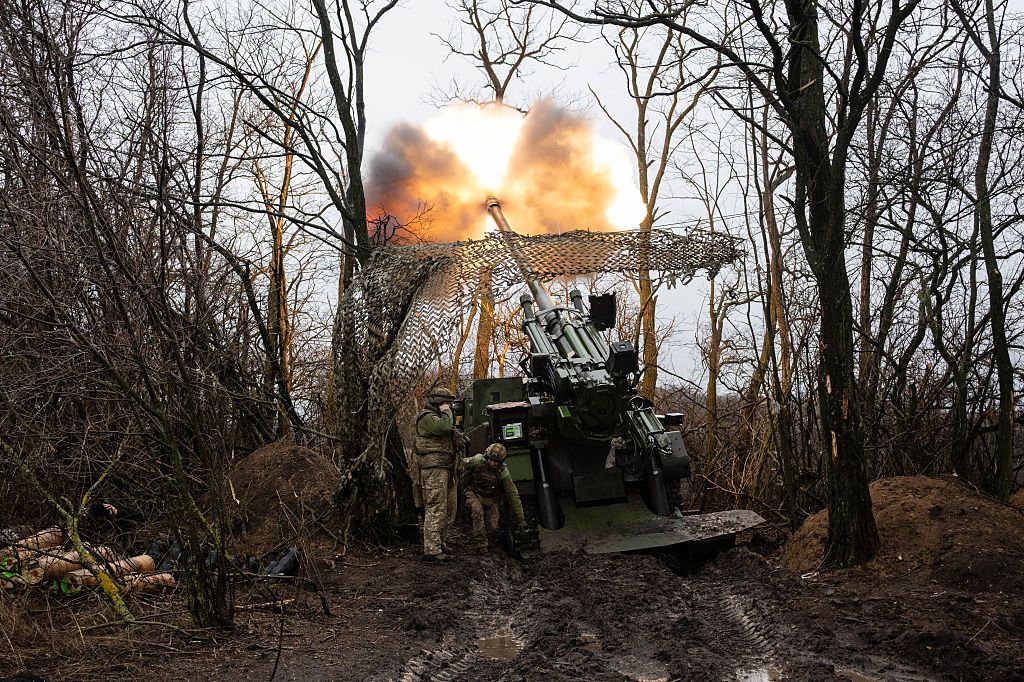
Recent analyses, including a bombshell report from Western intelligence shared via the Kyiv Independent, estimate Russian forces have suffered over 700,000 casualties in Ukraine since February 2022—far surpassing losses in any major conflict for a great power post-WWII. This includes killed, wounded, and missing, dwarfing U.S. totals in Iraq and Afghanistan combined (around 7,000 deaths). Compared to the Soviet Union's 8.7 million WWII casualties over four years, Russia's pace is alarmingly similar in intensity despite modern warfare's advantages.
These figures are battering military morale. Desertions have spiked, with recruitment drives failing to meet quotas amid falling enlistment bonuses' appeal. Public data from Russia's own defense ministry shows conscription evasion rising 40% in late 2025, as families grapple with the human cost.
Historical Context: Echoes of the Past
As of January 12, 2026, the Ukraine conflict marked its fourth year—mirroring the Soviet Union's WWII eastern front grind from 1941-1945. That era's meat-grinder battles like Stalingrad shaped a national narrative of stoic endurance, but today's losses evoke Afghanistan's 1980s quagmire, where 15,000 Soviet deaths fueled public disillusionment and the USSR's collapse.
These echoes influence perception: State media glorifies sacrifice, yet underground dissent grows, reminiscent of post-WWII purges that quelled unrest but scarred society. The pattern repeats—prolonged attrition erodes the "victory at any cost" ethos, shifting public tolerance.
Civilian Fallout: The Economic and Social Toll
Beyond frontlines, losses ripple into civilian life, straining an economy already hit by sanctions. With 500,000+ wounded veterans needing care, Russia's healthcare system buckles—hospitals report 30% bed shortages for war injuries. Families lose breadwinners, pushing poverty rates up 15% in rural areas per independent estimates.
Socially, grief fosters quiet backlash. Social media buzzes: A viral tweet from exiled journalist @Kasparov63 (Jan 20, 2026) reads, "Russia's mothers bury sons weekly—WWII redux without glory. When does the bill come due?" Russian Telegram channels echo this, with #NoMoreMobilization trending despite crackdowns, signaling eroding war support from 70% in 2022 to under 50% now (Levada Center polls).
Economically, defense spending at 7% of GDP diverts funds from infrastructure, inflating prices 20% yearly and youth emigration—1 million fled since 2022.
Looking Ahead: The Future of Russia's Military and Global Relations
Recruitment woes point to desperation: On January 27, 2026, Moscow announced incentives for foreign fighters from Nepal, Cuba, and Africa, echoing Soviet-era proxies but risking loyalty issues. Expect intensified domestic policy shifts—conscription age hikes or payouts—to stem discontent.
Globally, mounting losses dent Russia's standing. Allies like North Korea supply troops, but BRICS partners waver amid economic drag. A weakened military could force concessions in talks, reshaping Eurasian dynamics and boosting NATO unity.
This is a developing story and will be updated as more information becomes available.
(Word count: 598)