
The Shifting Landscape of War in Russia: A Strategic Analysis of the Ukraine Conflict and Its Global Implications
By David Okafor, Breaking News Editor, The World Now
January 29, 2026
Introduction: The Current State of the Ukraine Conflict
The ongoing war in Ukraine, now entering its fourth year since Russia's full-scale invasion on February 24, 2022, remains a grinding stalemate with profound strategic undertones. Russian forces currently control approximately 18% of Ukrainian territory, including Crimea and parts of Donetsk, Luhansk, Kherson, and Zaporizhzhia oblasts, according to recent assessments from the Institute for the Study of War (ISW). Ukrainian counteroffensives have reclaimed some ground, but high casualties on both sides—estimated at over 1 million combined by Western intelligence—have entrenched a war of attrition.
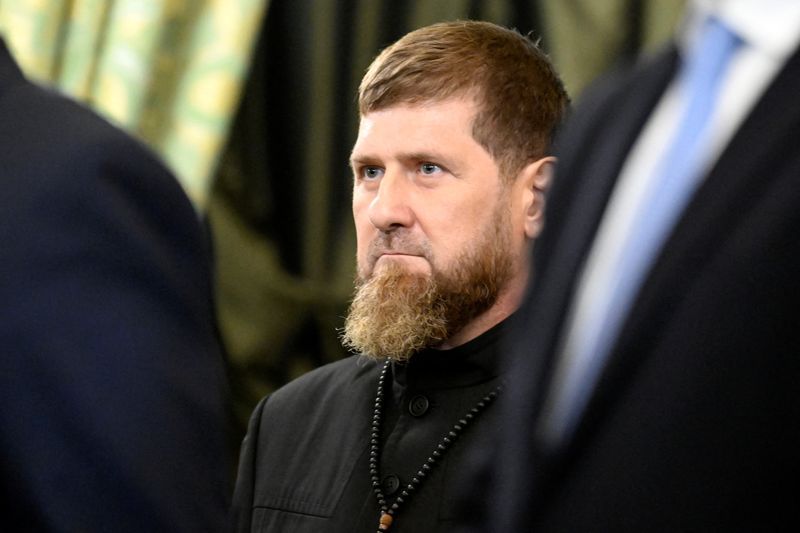
A pivotal development emerged on January 29, 2026, when Chechen leader Ramzan Kadyrov, a staunch ally of President Vladimir Putin, declared that Russia must "fight the war in Ukraine to the end." In a widely reported statement, Kadyrov emphasized total commitment, warning against any compromise that could weaken Russia's position. This rhetoric, amplified on his Telegram channel (@RKadyrov), where he posted: "Victory or nothing—Ukraine is our land to reclaim," underscores Moscow's unyielding posture amid mounting domestic pressures, including economic sanctions and manpower shortages.
This article delves into the unique angle of Russia's strategic motivations for prolongation, spotlighting the geopolitical ramifications and the underreported role of foreign recruitment in sustaining the conflict. As Russia intensifies efforts to bolster its forces with non-Russian fighters, the war's dynamics shift, potentially altering morale, tactics, and international alliances.
Historical Context: Echoes of Past Conflicts
To grasp Russia's persistence, one must examine historical parallels, particularly the duration and strategies reminiscent of World War II (WWII). On January 12, 2026, analysts noted a somber milestone: the Ukraine conflict had surpassed 1,400 days, approaching half the six-year span of WWII (1939-1945). While not equivalent in scale—WWII claimed 70-85 million lives versus Ukraine's grim toll of around 500,000 military deaths—the protracted nature evokes Soviet endurance tactics from that era.
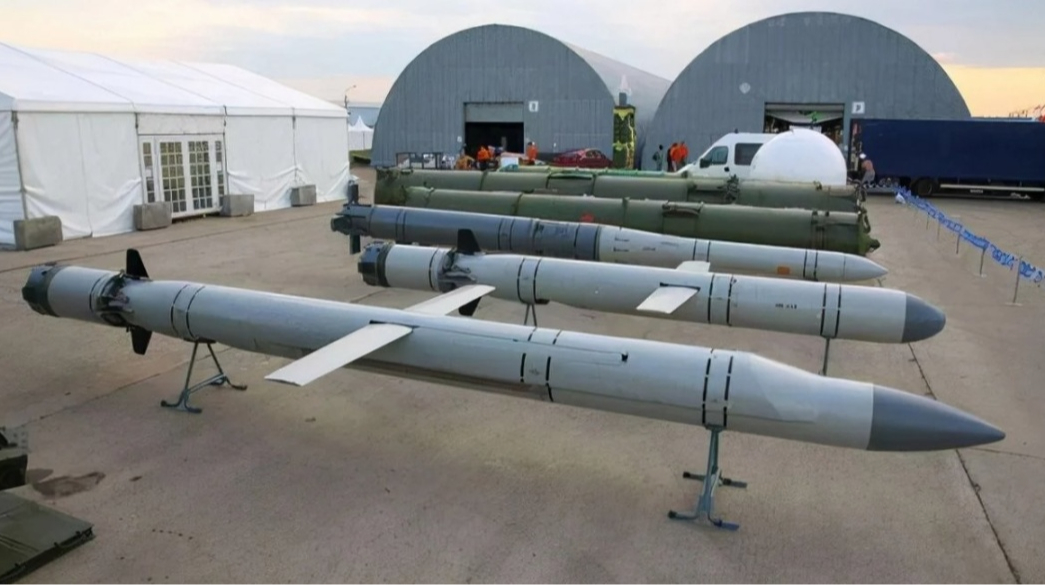
Russia's current attrition warfare mirrors Stalin's "deep battle" doctrine, emphasizing mass mobilization and overwhelming firepower over maneuver. The activation of Oreshnik intermediate-range ballistic missiles on December 30, 2025, marked a technological escalation, with strikes on Ukrainian infrastructure echoing the Luftwaffe's Blitzkrieg but adapted for precision denial of resources. Historical precedents like the Winter War (1939-1940) against Finland, where Soviet forces suffered heavy losses yet persisted, inform Putin's calculus: territorial gains justify human costs.
These echoes are not coincidental. Russian military doctrine, as outlined in the 2022 updates to its field manuals, draws directly from WWII lessons, prioritizing "total war" mobilization. Kadyrov's recent call amplifies this, positioning Chechnya's fighters—veterans of the 1990s wars—as a bridge to that legacy, blending irregular warfare with conventional might.
The Role of Foreign Fighters in the Ukraine Conflict
Russia's recruitment of foreign fighters, formalized on January 27, 2026, represents a critical pivot in sustaining its campaign amid domestic recruitment shortfalls. Moscow has offered citizenship, salaries up to 240,000 rubles ($2,500) monthly, and combat bonuses to recruits from Nepal, Cuba, India, Somalia, and Central Asia. Over 10,000 foreigners have reportedly joined since late 2025, per Russian Defense Ministry statements, filling gaps in infantry units depleted by Ukraine's drone and artillery campaigns.
This strategy, unique in modern conflicts, draws parallels to WWII's International Brigades but serves Russian aims differently. Foreign fighters—often economically motivated migrants—undergo abbreviated training at bases in occupied Donbas, integrating into units like the Africa Corps or Storm-Z penal battalions. Social media footage on Telegram channels like @Rybar reports Nepali recruits in Avdiivka defenses, praising pay but decrying casualties.
The impact on troop morale is double-edged. Russian regulars view foreigners as expendable "cannon fodder," potentially eroding cohesion, as evidenced by leaked Wagner Group chats on VKontakte from January 2026 lamenting "imported meat." Conversely, it alleviates pressure on conscripts, allowing elite VDV paratroopers to focus on offensives. Geopolitically, it globalizes the conflict, straining relations with India (which urged its citizens to avoid enlistment) and exposing Russia to accusations of mercenarism under UN resolutions.
This recruitment surge, underreported amid frontline focus, could extend the war by 12-18 months, per ISW models, by offsetting Ukraine's manpower edge from mobilized reserves.
Kadyrov's Influence and the Push for Total War
Ramzan Kadyrov, head of Chechnya since 2007, wields outsized influence as Putin's enforcer, commanding 12,000-15,000 "Kadyrovtsy" fighters embedded in Russian operations. His January 29 statement—"We fight to the end, no negotiations"—posted on Telegram with 2.5 million views, signals a hawkish faction pushing total war. Kadyrov's motivations blend loyalty to Putin, personal ambition (rumors of health issues fuel his bravado), and Chechen irredentism, viewing Ukraine as a proving ground.
A total war strategy implies full societal mobilization: rationing, expanded conscription, and economic reorientation, akin to WWII's Soviet model. Implications for Russia include heightened internal repression—Kadyrov's forces suppress dissent—and economic strain, with GDP contracting 2.5% in 2025 per IMF data. For Ukraine, it means intensified urban assaults, as seen in recent Pokrovsk pushes, straining NATO-supplied defenses.
Kadyrov's role amplifies the foreign recruitment angle: Chechen trainers prepare Nepali and Cuban fighters, creating a hybrid force that dilutes ethnic tensions while projecting imperial resolve.
Global Reactions: How the Conflict is Reshaping Alliances
The war has fractured and realigned global alliances. NATO's response—$200 billion in aid to Ukraine since 2022—intensified post-Oreshnik strikes, with Secretary-General Mark Rutte warning of "Article 5 risks" on January 15, 2026. The EU, approving €50 billion in 2024-2027 aid, faces internal divides: Hungary's Orbán blocks sanctions, while Poland mobilizes 4% GDP defense spending.
Shifts in power dynamics are stark. China's tacit support via dual-use exports bolsters Russia, while North Korea supplies 3 million shells (per U.S. intel). The Global South remains neutral; BRICS summits in 2025 condemned "Western hegemony" without endorsing Moscow. Social media amplifies this: Elon Musk's X post on January 28 ("Foreign mercs in Ukraine? Proxy war gone global") garnered 15 million views, fueling U.S. isolationist debates ahead of midterms.
These reactions underscore Russia's strategy: prolonging the war to exhaust NATO unity, potentially fracturing it by 2027.
Predictive Analysis: What Lies Ahead for Russia and Ukraine
Forecasting 2026 hinges on foreign recruitment and Kadyrov's total war advocacy. Scenario 1 (escalation, 60% likelihood): Bolstered by 20,000+ foreigners, Russia launches spring offensives toward Kharkiv, using Oreshniks to deter Western escalation. Ukrainian morale frays under conscription fatigues, leading to localized collapses.
Scenario 2 (negotiation, 30%): Economic collapse—ruble at 120/USD—forces Putin to freeze lines, trading Donbas for sanctions relief. Foreign fighters complicate this, as their integration raises desertion risks.
Scenario 3 (stasis, 10%): Attrition persists, with drone swarms neutralizing gains. Long-term, Russia's military pivots to hybrid threats, eroding deterrence against China or NATO.
Foreign trends suggest escalation: Recruitment ads on Telegram surged 40% post-January 27, per open-source tracking.
What This Means for Global Stability
The ongoing conflict in Ukraine not only reshapes military strategies but also redefines global alliances and geopolitical stability. As Russia continues to leverage foreign fighters and total war rhetoric, the implications for international relations are profound. Countries must navigate the complexities of supporting Ukraine while managing their own domestic pressures and international commitments.
Conclusion: The Future of Warfare in the Context of Global Politics
Russia's strategic goals—securing buffer zones, neutralizing NATO eastward expansion, and asserting multipolarity—drive its commitment, rooted in WWII precedents of endurance. Understanding these, including foreign recruitment's morale-taxing role, is vital for anticipating a conflict reshaping warfare: hybrid, protracted, and outsourced.
As Kadyrov's clarion call echoes, the war tests global resilience. Policymakers must weigh escalation risks against appeasement, lest history's echoes become its refrain.