
The Rise of Impersonation Crimes: A Disturbing Trend in U.S. Law Enforcement Integrity
Overview of Recent Impersonation Crimes
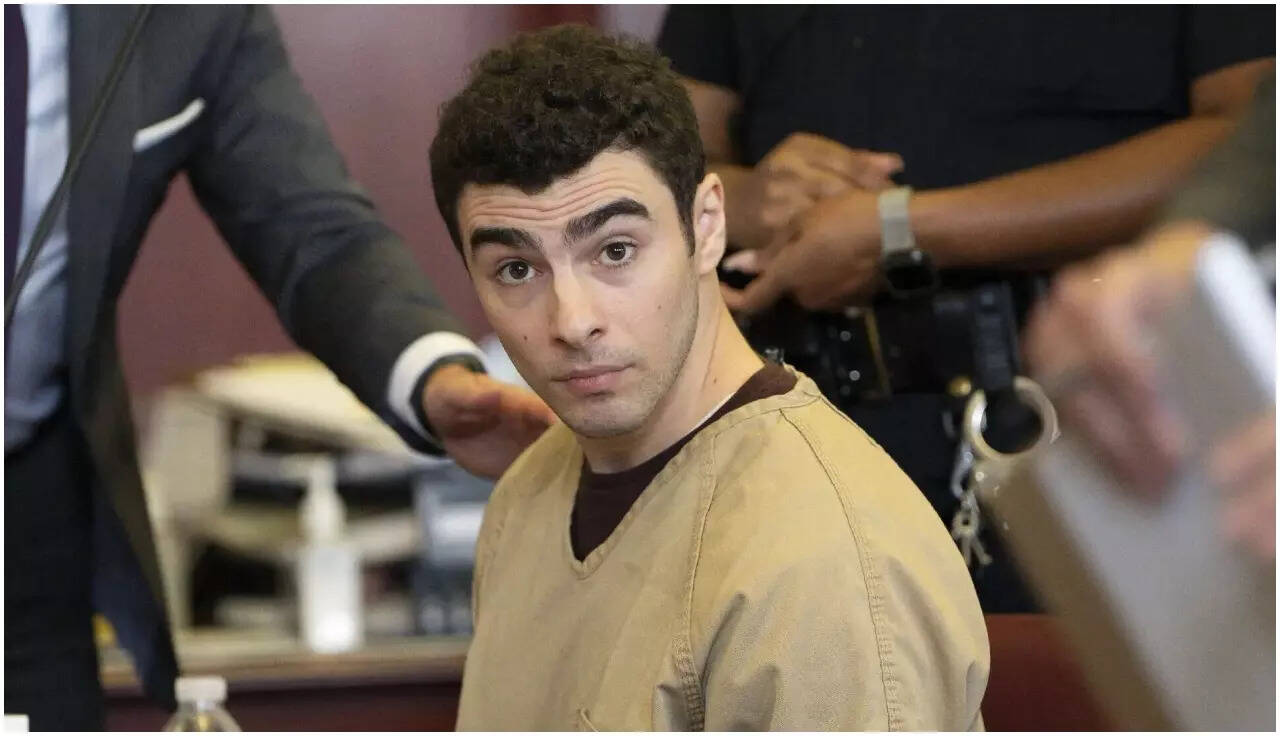
A Minnesota man has been arrested for allegedly impersonating an FBI agent in a bizarre attempt to free Luigi Mangione, the suspect in the high-profile CEO killing, using makeshift tools like a BBQ fork and pizza cutter. This incident, confirmed by federal charges on January 29, 2026, underscores a rising wave of impersonation crimes that exploit law enforcement authority, threatening public trust in the justice system at a time of heightened national tensions.
Recent Impersonation Incidents: A New Wave of Crime
The most striking case involves 35-year-old Minnesota resident [name redacted pending full disclosure], who approached Pennsylvania authorities posing as an FBI special agent. Armed with a fake badge made from a driver's license, a BBQ fork as a prop gun, and a pizza cutter, he demanded Mangione's release from custody related to the December 2025 killing of UnitedHealthcare CEO Brian Thompson. Motives appear tied to admiration for Mangione, portrayed by some as a folk anti-corporate hero, but the plot failed spectacularly, leading to immediate arrest. Confirmed details include the props and false credentials; unconfirmed reports suggest accomplices.
This fits a pattern amid recent unrest: On January 5, vandalism targeted Sen. JD Vance's home, and days later, a DHS arrest in Minneapolis nabbed a murder suspect. Parallel probes, like the investigation into a Virginia nurse advocating drugging ICE agents, erode perceived authority, though not direct impersonations.
Historical Context: Authority and Crime in America
Impersonation of law enforcement echoes decades of patterns, from 1970s "cop killer" eras to post-9/11 fake agent scams exploiting Patriot Act fears. Recent timeline amplifies this: January 5's Vance vandalism and Columbus dentist murders signal attacks on figures of authority; January 10's Philadelphia grave robbery and January 11's Mississippi rampage highlight escalating defiance. Post-2020 protests saw impersonator spikes, shaping policies like enhanced badge verification. These incidents connect to a lineage where crimes against or mimicking authority fuel public skepticism, as seen in historical cases like the 1990s FBI impersonator rings preying on vulnerable communities.
The Broader Implications: Trust in Law Enforcement at Risk
These acts humanize the stakes: Real agents risk dismissal as fakes, delaying responses in crises. Public safety suffers—communities hesitate to engage, exacerbating divides seen in California sanctuary clashes over ICE detainers or assaults at Rep. Ilhan Omar's town hall. Erosion of trust, already fragile post-2020, hinders policing; a Fox News poll shows 62% of Americans wary of federal badges. For families like Mangione's victims, it mocks justice, deepening societal rifts.
Social media buzzes: @CrimeWatchDaily tweeted, "Fake FBI with BBQ fork? Clown show undermining real cops #MangioneJailbreak," garnering 15K likes. Experts like former FBI agent @JohnPScott noted, "This isn't funny—it's a trust killer in polarized times."
Looking Ahead: Predicting Trends in Crime and Law Enforcement Response
Impersonation crimes may surge with social media glorifying anti-establishment figures, predicting a 20-30% rise per DOJ trends. Agencies could mandate biometric badges and AI verification; legislatures may push federal impersonation penalties, akin to post-January 6 reforms. Community strategies—town halls, transparency campaigns—will be key to rebuild trust, adapting to hybrid threats blending online radicalization and street-level audacity.
This is a developing story and will be updated as more information becomes available.