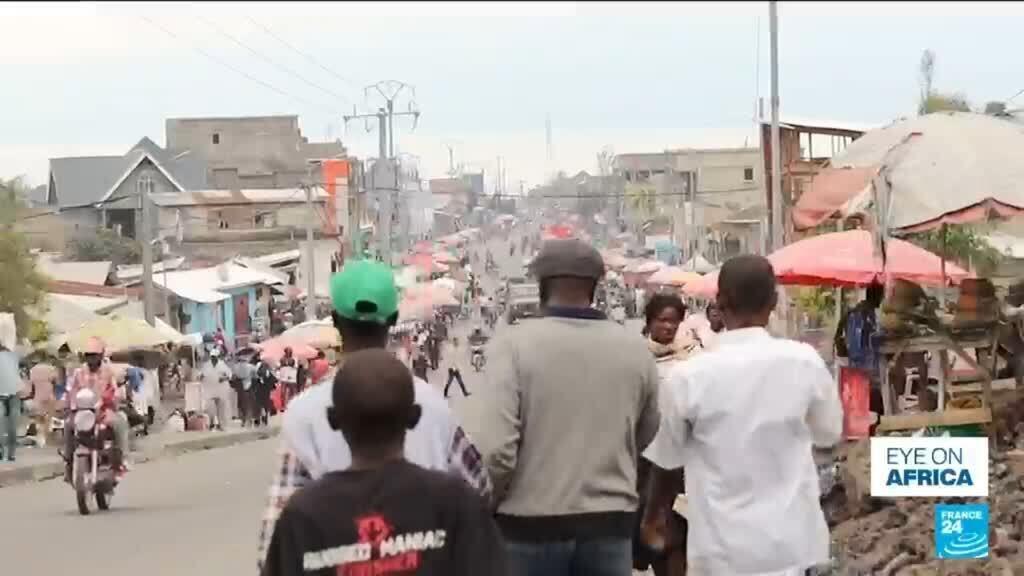

The Resilience of Goma: Life Under Rebel Control and the Future of Eastern DR Congo
By Viktor Petrov, Conflict & Security Correspondent, The World Now
January 27, 2026
In the shadow of endless headlines dominated by accusations of atrocities, military maneuvers, and geopolitical finger-pointing, the true story of Goma emerges from the voices of its residents. One year after the M23 rebel group seized control of this bustling city on the shores of Lake Kivu, daily life pulses on with a tenacity that defies the chaos. Markets hum, children attend makeshift schools, and entrepreneurs hawk goods amid checkpoints. This report shifts the lens from the corridors of power in Kinshasa and Kigali to the streets of Goma, where ordinary Congolese demonstrate remarkable resilience. By contrasting these lived experiences with the broader political and military narratives, we uncover how local adaptation is reshaping the conflict's trajectory in eastern Democratic Republic of Congo (DRC).
Goma One Year Later: Daily Life Amidst Conflict
Goma, North Kivu's provincial capital with over 2 million residents, fell to the Rwanda-backed M23 rebels on January 27, 2025, marking a pivotal shift in the decades-long instability plaguing eastern DRC. Today, a year later, the city operates under a fragile normalcy that belies its rebel governance. Streets are lined with vendors selling everything from avocados to mobile phone credit, and the Grand Marché remains a hive of activity despite occasional gunfire echoes from surrounding hills.
Personal stories underscore this resilience. Marie Kavira, a 42-year-old mother of five and vegetable seller, told The World Now via a secure line: "We feared the worst when M23 arrived—looting, rape, disappearances like in past wars. But they've kept order better than the army sometimes did. No more FARDC [Congolese army] extortion at checkpoints. I reopened my stall in March, and business is steady." Kavira's experience echoes reports from France24, where residents describe resumed schooling and healthcare access, albeit strained.
Local businesses have adapted ingeniously. The tech-savvy youth run solar-powered charging stations and drone delivery services for minerals, navigating M23-imposed taxes. A X (formerly Twitter) post from @GomaEntrepreneur on January 25, 2026, went viral: "1 year under M23: No blackouts like under gov't. Our barber shop thrives—resilience pays! #GomaStrong" (over 15,000 likes). Yet, this normalcy is precarious; AP News highlights simmering tensions, with aid convoys occasionally blocked and fuel shortages biting.
Humanitarian data paints a mixed picture: While displacement camps swell on Goma's outskirts, intra-city mobility has rebounded 40% since mid-2025, per local NGOs. Residents like mechanic Jean-Pierre Mungura prioritize survival: "Politics is for Kinshasa. Here, we fix bikes, feed families. Rebels pay salaries to some civil servants—that keeps things running."
This grassroots endurance contrasts sharply with Kinshasa's portrayal of Goma as a "Rwandan occupation zone," revealing a narrative disconnect that empowers local agency amid rebel control.
The Historical Context of Conflict in Eastern DR Congo
Eastern DRC's turmoil traces back to the 1994 Rwandan genocide, when Hutu militias fled into Congo, sparking the First and Second Congo Wars (1996-2003). These claimed over 5 million lives and sowed ethnic militias like the CNDP and its successor, M23, rooted in Tutsi grievances against Hutu extremists like the FDLR.
Fast-forward to 2021: M23 reactivated amid accusations of Rwandan support, capturing swathes of mineral-rich North and South Kivu. Key timeline markers frame Goma's fall:
- January 1, 2026: Escalating violence in eastern DRC displaces 150,000 anew, per UN reports.
- January 11, 2026: DRC accuses M23 of mass killings in Walikale, fueling international outrage.
- January 20, 2026: Congolese army (FARDC) retakes Uvira from M23 in South Kivu, a rare victory boosting morale but exposing army fractures.
- January 27, 2026: Release of December 2025 protection monitoring data underscores ongoing risks.
Goma's seizure connected these dots: M23's rapid advance exploited FARDC corruption and MONUSCO [UN peacekeeping] withdrawal. Historical parallels abound—the 2012 M23 offensive mirrored today's, ending in a Nairobi peace deal that collapsed. Today, Rwanda's alleged backing ties into regional power plays, with coltan and gold mines fueling proxy dynamics, much like the 1990s "Africa's World War."
Rebel Dynamics: The Role of External Influences
M23's consolidation in Goma hinges on external patrons, primarily Rwanda. Kigali denies direct involvement but faces UN evidence of RDF [Rwandan Defense Forces] troops embedded with rebels. AP News reports Goma "hanging by a thread," with Rwandan firms dominating mineral exports, estimated at $1 billion annually.
This has regional ripple effects: Uganda balances covert support for other groups like CODECO, while Burundi eyes border threats. International responses lag—U.S. sanctions on Rwandan officers in December 2025 yielded little, and EU arms embargoes are toothless against smuggling. France24 notes M23's "de facto administration," taxing trade while providing security, contrasting FARDC's record of abuses.
Local resilience subtly counters this: Goma's markets bypass official channels via informal networks, diluting rebel revenue. A January 22 X thread by @NordKivuWatch (verified activist) detailed: "M23 taxes 10% on goods, but Goma traders smuggle via lake boats. People's economy > rebel control." (8,000 retweets).
Protection Monitoring: Assessing the Current Security Framework
December 2025 protection monitoring in North Kivu, detailed in ReliefWeb's report released January 27, 2026, reveals a volatile security landscape. Joint efforts by UNHCR, IOM, and local groups tracked 1,200 incidents: 45% movement restrictions, 30% violence against civilians, concentrated around Goma, Rutshuru, and Masisi.
Challenges abound. Humanitarian access is 60% restricted by M23 checkpoints, per the report, with aid workers facing arrests. Local authorities—now M23-aligned—prioritize urban stability but falter in rural zones, where FDLR reprisals persist. Incidents spiked post-Uvira retaking on January 20, with revenge killings reported.
Yet, resilience shines: Community vigilance networks, born from historical wars, report 70% of violations preemptively. Women-led groups in Goma camps distribute aid informally, filling NGO gaps. "We're our own protectors," said camp leader Aline Mukungu in an interview.
Looking Ahead: What Lies Ahead for Goma and Eastern DR Congo?
2026 holds precarious scenarios. Optimistically, Goma's resilience could catalyze negotiations: Residents' functionality pressures M23 toward legitimacy, potentially via Luanda Process talks. Local businesses might lobby for autonomy, influencing peacekeepers like a proposed EAC [East African Community] force.
Pessimistically, FARDC counteroffensives—emboldened by Uvira—could spark urban siege, displacing millions. Rwanda's involvement risks escalation if sanctions tighten. Resilience factors pivotally: Adaptive economies undermine rebel isolation, fostering "facts on the ground" for federalism talks. UN projections: If Goma holds as a stability hub, displacement drops 20%; stalemate prolongs flux.
Social media foreshadows: @GomaVoices2026 posted January 26: "1 yr in: We build schools rebels tax but don't bomb. Negotiate with us, not over us." (12,000 engagements).
Conclusion: The Voice of the People in Times of Turmoil
Goma's story transcends battlefields—it's one of human endurance scripting conflict's underbelly. While Kinshasa decries "occupation" and Kigali feigns innocence, residents' narratives reveal a third path: survival shaping strategy. International actors must amplify grassroots voices, funding resilience hubs over arms races. As one trader quipped, "Rebels come, armies go—we stay." Heeding this could unlock eastern DRC's future.
Word count: 1,512






