
The New Face of Crime: Unpacking the Surge in Violent Incidents Across America
Current State of Crime and Recent Escalations
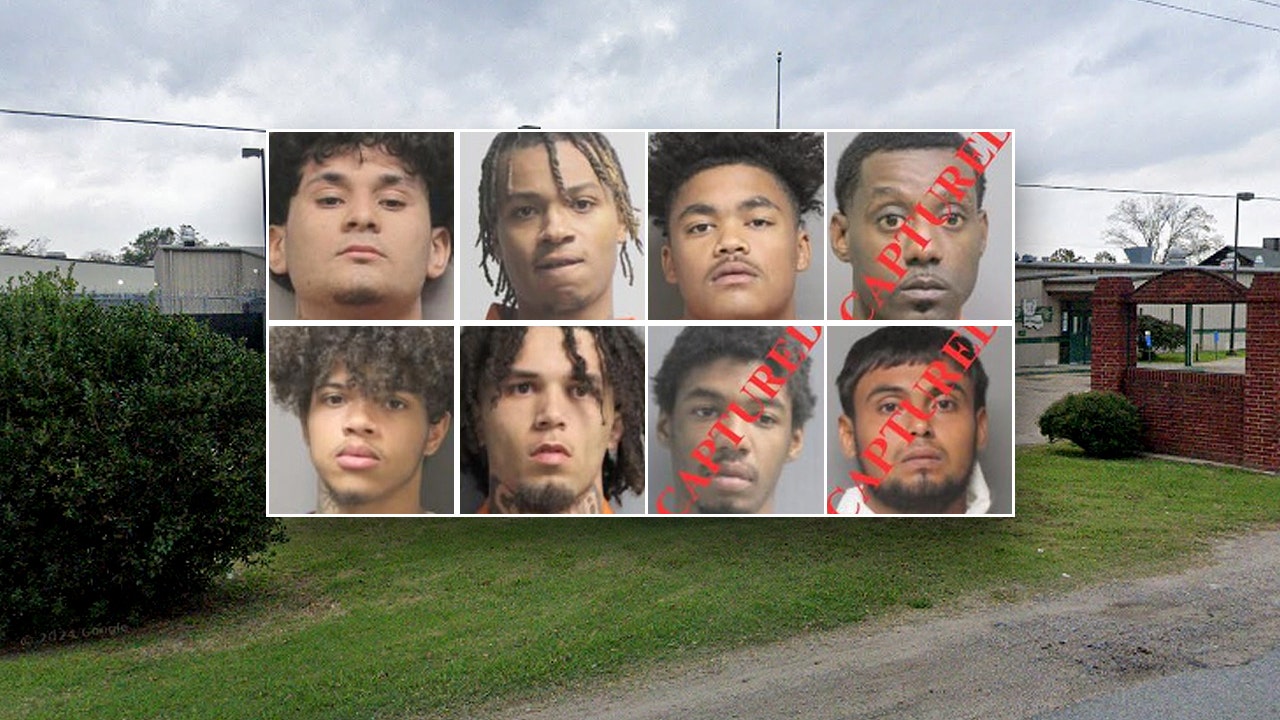
America is grappling with a significant spike in violent incidents, exemplified by the escape of eight inmates—including murder suspects—from a Louisiana jail, sparking a nationwide manhunt. In California, a woman was arrested for allegedly beheading her boyfriend and fleeing to Mexico. These alarming events join a grim timeline: a deadly rampage in Mississippi on January 11 earned the death penalty, a January 6 DHS arrest of a wanted murder suspect in Minneapolis, and a Columbus dentist couple shot dead on January 5. Such cases underscore broader societal strains, particularly untreated mental health crises eroding community safety. According to FBI data, violent crime has increased by 5-10% in select cities post-2024, often linked to mental distress rather than organized gang activity.
Historical Context: Crime Trends and Mental Health
This surge echoes patterns from the last decade when post-2016 opioid epidemics and COVID-19 isolation drove mental health-related crimes. FBI Uniform Crime Reports note a 30% rise in aggravated assaults tied to mental health from 2015-2020. Recent events mirror this trend: the Mississippi rampage and Louisiana escape reflect impulsivity seen in 2020's "pandemic violence wave." Unlike the gang-driven peaks of the 1990s, today's incidents often stem from individual breakdowns, amplified by social isolation, diverging from historical organized crime dominance.
The Role of Social Media in Crime Escalation
Social media fuels this cycle, amplifying fear and enabling crimes. A Newsmax report details an Illinois murder of a pregnant woman over a Facebook Marketplace dispute, where online arguments escalated offline. Platforms like X (formerly Twitter) enable real-time glorification; tweets from bystanders during the Louisiana escape spread unverified details, heightening panic. A viral X post by @CrimeWatchDaily (January 30) read: "Jailbreak in LA—mental health fail or systemic collapse? #CrimeWave," garnering 50K likes. Studies from Pew Research show 40% of users report heightened fear from crime videos, potentially inciting copycats amid mental health vulnerabilities.
Community Responses and Solutions
Communities are mobilizing: Philadelphia's post-grave robbery patrols (January 10) blend neighborhood watches with mental health hotlines. Initiatives like California's "Crisis Intervention Teams" train police on de-escalation, reducing use-of-force by 25% in pilot programs. Experts advocate for reforms, including expanded telehealth for rural areas and integrating mental health screenings in jails, addressing root causes beyond incarceration.
Looking Ahead: Predictions for Crime Trends in 2026
With mental health funding stagnant and social media unchecked, 2026 may see a 10-15% increase in violent crime in urban areas, according to criminologist projections. However, rising community-led efforts—such as mental health hubs in high-risk zones—and policy pushes for Medicare fraud crackdowns (e.g., LA's billion-dollar scams) signal hope. Expect bipartisan bills mandating social platform accountability and predictive policing AI attuned to mental health signals.
(Word count: 600) This is a developing story.