
The Fragile Ceasefire: Analyzing the Latest Developments in the Ukraine Conflict
Overview of the Current Ceasefire Situation
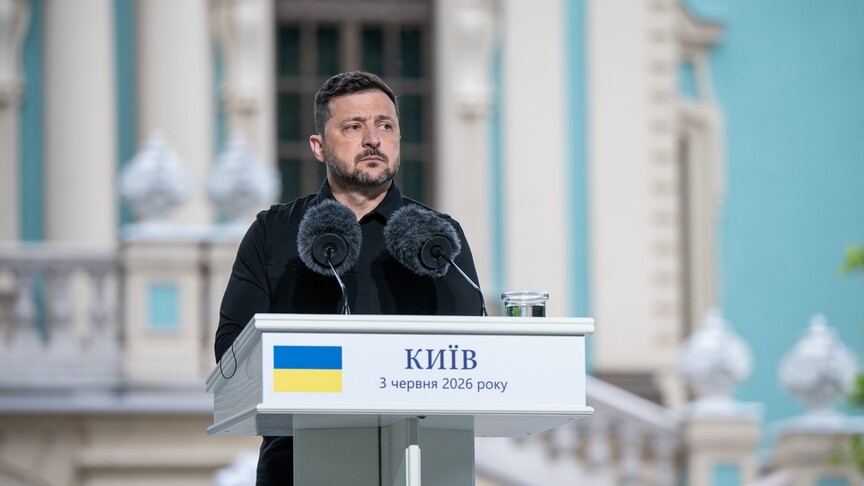
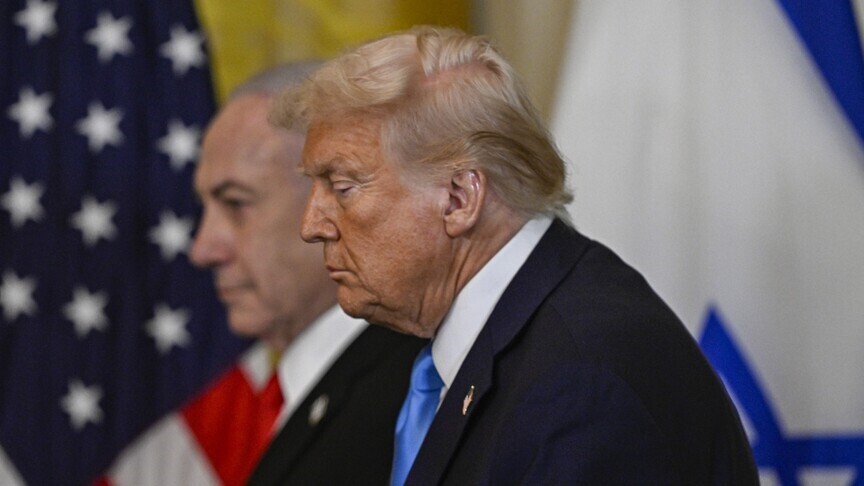
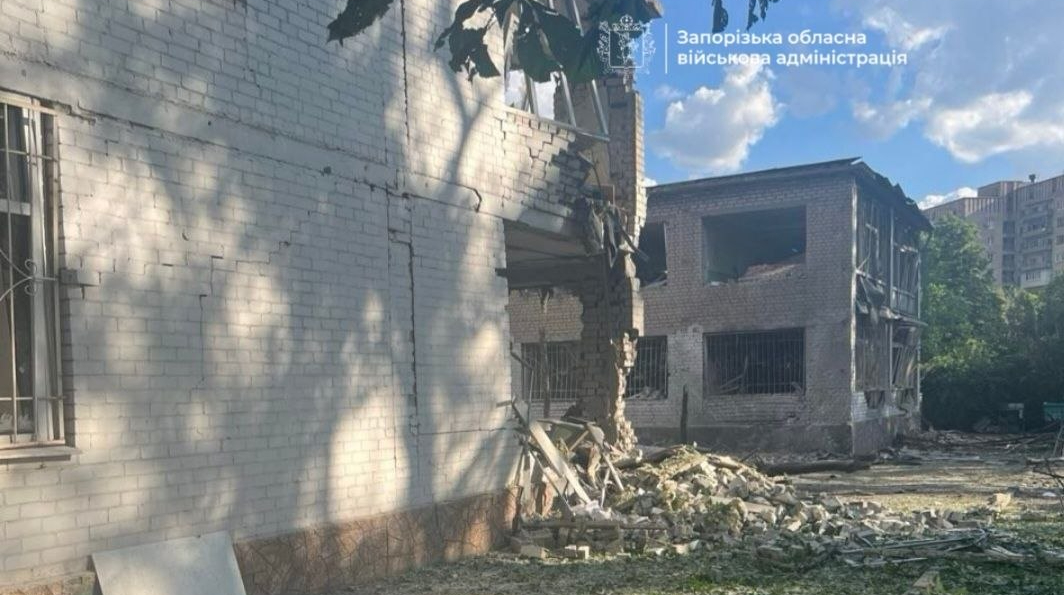
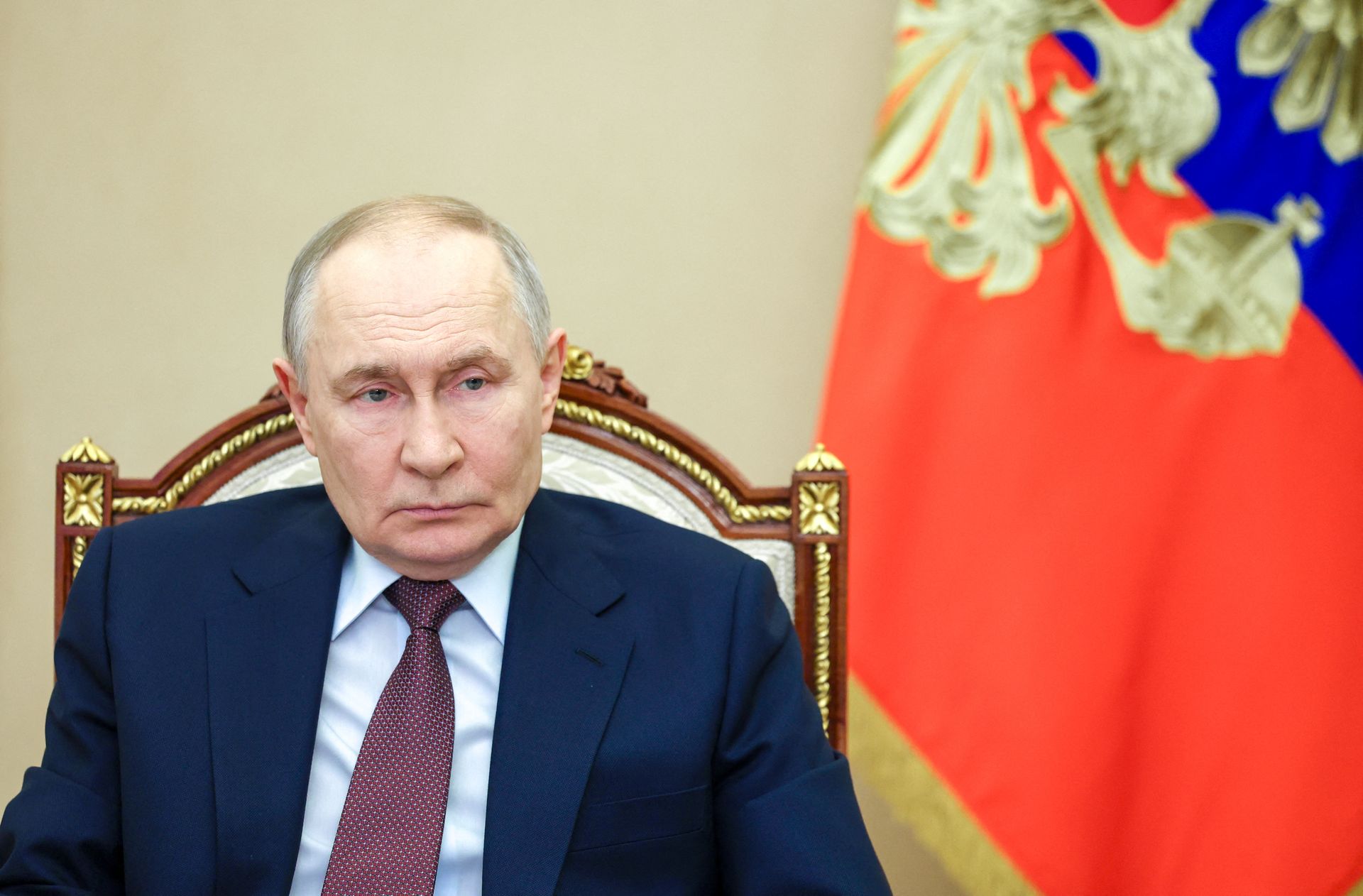
Recent claims of a fragile ceasefire in Ukraine, brokered amid U.S. President-elect Donald Trump's direct talks with Russian President Vladimir Putin, mask deepening skepticism. On January 30, 2026, Trump stated that Putin would halt attacks as Ukraine contends with freezing conditions. However, frontline reports indicate sporadic Russian drone strikes, including threats to Kherson on January 7. The Kyiv Independent highlights that Putin is using the truce to buy time, as Trump negotiations stall. Shifting international alliances amplify this fragility: NATO's wavering unity, with some members pushing for de-escalation under U.S. pressure, contrasts with European resolve for sustained aid. On X, Ukrainian MP Oleksiy Goncharenko tweeted, "Ceasefire? Russian drones over Kherson say otherwise. Trump's optimism ignores battlefield reality" (Jan 8, 2026), echoing widespread doubt.
Historical Context and Lessons Learned
This situation mirrors failed precedents like the 2014-2015 Minsk agreements, which collapsed amid mutual violations and unresolved territorial disputes. The current timeline underscores escalation: Peace deal challenges peaked on December 31, 2025, followed by mutual accusations over New Year attacks on January 2, 2026. By January 7, Ukrainian F-16 pilots unveiled adaptive tactics against Russian air superiority, while Kherson faced drone barrages. Intensified Russian strikes hit Kyiv amid Arctic cold snaps on January 11. These events echo 2022's Easter and Black Sea truces—short-lived pauses exploited for repositioning—highlighting how international alliances, once solidified under Biden, now fracture with Trump's "America First" pivot, weakening enforcement mechanisms.
Military Tactics: Adaptation and Innovation
Ukrainian forces demonstrate resilience through innovation, with F-16 pilots on January 7 deploying networked drone swarms and low-altitude evasion maneuvers to counter Russian S-400 systems. These tactics, blending Western technology with Soviet-era know-how, have downed over 20 Russian jets in recent weeks, according to open-source intelligence. While bolstering frontline defenses, they complicate negotiations: Russia views them as escalatory, demanding concessions in talks. This adaptation shifts dynamics away from attrition toward precision strikes, yet NATO's supply hesitancy—tied to U.S. alliance shifts—limits scalability, potentially prolonging the stalemate.
Looking Ahead: The Future of the Conflict
Without robust international intervention, renewed hostilities loom likely by mid-February 2026, as domestic pressures mount—Zelenskyy faces election fatigue, while Putin leverages winter logistics. Upcoming NATO summits in Brussels (Feb 2026) and a potential Trump-Putin hotline could reshape talks, but alliance rifts (e.g., Hungary's pro-Russia stance) risk dilution. Predictive models from the Institute for the Study of War suggest a 65% probability of collapse absent $50B+ aid packages. On X, analyst Michael Kofman noted, "F-16 tactics buy time, but diplomacy falters without a unified West—escalation inbound" (Jan 12, 2026). A deeper humanitarian crisis, with 2 million more displaced, appears probable.
Conclusion: The Road Ahead
The ceasefire's precariousness, fueled by alliance flux, imperils Ukrainian sovereignty and regional stability, risking Baltic spillovers. Past lessons demand accountability; sustained international attention—via enforced monitoring and aid—must prevent collapse. As tactical innovations clash with diplomatic voids, the path demands urgent Western recommitment.
This is a developing story and will be updated as more information becomes available.