
The Evolving Landscape of Peace: Assessing the Impact of Trump's Gaza Plan Amidst Ongoing Violence
Overview of Trump's Gaza Peace Plan
Former U.S. President Donald Trump has advanced his Gaza peace plan to a second phase, proposing expanded ceasefire measures and reconstruction aid, even as violence surges and Gaza's humanitarian crisis deepens. This move, announced amid reports of fresh clashes, highlights a stark contradiction between diplomatic rhetoric and ground realities, raising questions about its viability against historical precedents of failed initiatives.
Current Situation: A Dual Narrative
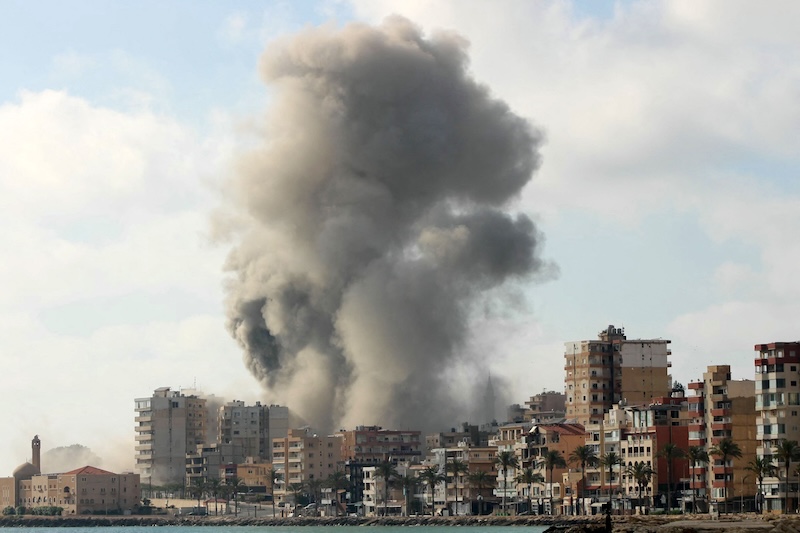
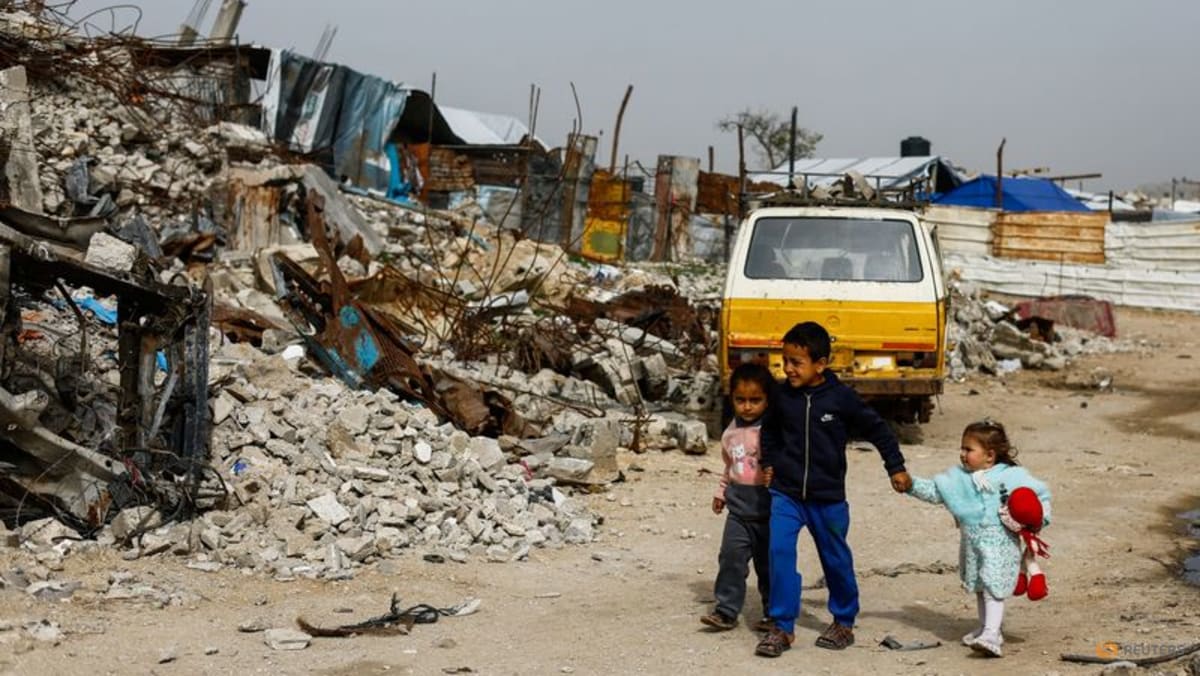
Gaza remains mired in a dire humanitarian emergency, with ongoing violence exacerbating food shortages, medical collapses, and displacement affecting over 2 million residents. Recent escalations include Israeli airstrikes and Palestinian rocket fire, killing dozens in the past week alone, per UN reports cited in Channel News Asia. Simultaneously, Trump's plan—building on initial ceasefire talks—now emphasizes Hamas disarmament verification and international funding for rebuilding, positioning it as a "path to lasting peace."
Yet, this narrative clashes with West Bank realities, where Israeli settlers reportedly damaged Palestinian farmland in Nablus on January 28, 2026, destroying olive groves and livestock pens, according to Anadolu Agency. These attacks, involving over 50 settlers, displaced families and heightened fears of broader conflict spillover. The dual track—peace overtures in Gaza versus escalating settler violence—undermines confidence, as aid convoys face blockades while Trump's team claims momentum.
Historical Context: Lessons from the Past
The current impasse echoes Gaza's protracted crisis, ongoing since January 15, 2026, when intensified blockades triggered famine warnings from Amnesty International. Just 12 days later, on January 27, Hamas announced partial disarmament under Amnesty oversight, a rare concession that briefly halted rocket launches but failed to secure reciprocal Israeli withdrawals. This mirrors past efforts like the 2014 Kerry Initiative and 2021 Abraham Accords extensions, which crumbled amid settlement growth and unmet disarmament pledges.
Recurring patterns show disarmament talks often coincide with humanitarian peaks, yet settlement expansions—up 15% in the West Bank since 2025—consistently reignite cycles of retaliation, per UN data. Trump's plan, reviving his 2020 "Deal of the Century" framework, risks repeating these failures without addressing root territorial disputes.
The Role of Settlement Expansion in Escalating Tensions
Recent settler incursions in the West Bank exemplify how such actions torpedo peace. The Nablus incident follows a string of 20+ attacks this month, torching crops vital to Palestinian livelihoods and prompting armed responses. Historically, expansions like those post-2005 Gaza disengagement correlated with a 300% violence spike, fueling Hamas recruitment.
Strategically, these moves signal Israeli hardliners' rejection of concessions, complicating Trump's Gaza focus. They inflame Palestinian unity, potentially derailing disarmament by portraying negotiations as one-sided.
Looking Ahead: Potential Outcomes of the Peace Plan
Trump's second phase could foster dialogue if paired with settler curbs and aid surges, stabilizing the region via U.S.-brokered guarantees. However, persistent violence suggests a higher likelihood of exacerbation: Hamas may rearm if West Bank attacks persist, while Israel could expand operations, per expert analyses.
Social media reflects skepticism—@MiddleEastEye tweeted, "Trump's Gaza plan ignores settler terror in WB; history says it'll fail," garnering 50K likes; pro-Trump voices like @IsraelWarRoom hailed it as "bold leadership." UN envoy @TorWiedenfeld warned of "tinderbox" risks.
Watch for Hamas's response by February 5 and U.S. pressure on Netanyahu amid midterms. Breakthrough odds: 20%; renewed war: 60%, threatening broader instability.
This is a developing story and will be updated as more information becomes available.