
The Evolution of Crime in Germany: A Deep Dive into Recent Trends and Future Implications
Understanding the Current Crime Landscape in Germany
Germany's crime statistics paint a picture of resilience strained by escalation. According to the Federal Criminal Police Office (BKA) 2025 preliminary report, overall crime rates rose 5.5% year-over-year, with violent crimes up 8.2% and property crimes surging 12%. But beneath these aggregates lies a unique angle: the deepening intersection of street-level organized crime and white-collar financial malfeasance.
Recent incidents underscore this fusion. On December 30, 2025, a meticulously planned heist at a Gelsenkirchen bank netted criminals €30 million, executed with military precision—drills through vault walls and jammed security systems. Just a day later, December 31, another major bank robbery struck, this time in northern Germany, amid New Year's Eve chaos. These weren't opportunistic thefts; BKA investigators link them to transnational networks, possibly Eastern European or Middle Eastern clans long embedded in Germany's underworld.
Public perception has shifted dramatically. A January 2026 Forsa poll for Stern magazine revealed 62% of Germans now feel "less safe" than five years ago, up from 41% in 2020. Social media amplifies this: X posts under #DeutschlandSicher exploded post-heists, with users like @BerlinResident tweeting, "From safe streets to Wild West—when did this happen?" Policy ripple effects are evident; Interior Minister Nancy Faeser announced a €500 million boost to federal policing in her January 10 address, prioritizing "hybrid crime" units targeting org-crime-financial links.
This landscape isn't random. It reflects organized groups exploiting Germany's open economy—€4.2 trillion GDP, world-class banks—while public trust erodes amid economic pressures like 7.2% inflation peaks in late 2025.
Historical Patterns of Crime in Germany: A Timeline
Germany's criminal evolution is a tapestry of adaptation, from post-WWII black markets to today's tech-savvy syndicates. Historical crimes weren't just acts of defiance; they forged networks that persist, drawing direct parallels to current sophistication.
Key milestones reveal this arc:
-
1945-1950s: Post-War Black Markets and Currency Forgery. Operation Bernhard, Nazi counterfeiters flooding Allied economies with fake pounds, transitioned into civilian gangs. By 1948, the "Black Market Kings" of Frankfurt laundered millions through nascent banks, mirroring today's financial infiltration.
-
1970s: Red Army Faction (RAF) Era. Baader-Meinhof's bombings and kidnappings (e.g., 1977 Lufthansa heist) introduced political violence into crime. Their €5 million loot funded operations, prefiguring hybrid motives in recent attacks like the January 4, 2026, Berlin power outage—a politically tinged sabotage blamed on far-right extremists.
-
1990s: Russian Mafia Influx Post-Reunification. Eastern European groups exploited border chaos; the 1993 Bremen armored car heist (€20 million) used insider bank tips, akin to Gelsenkirchen's vault breach.
-
2000s: Clan Crime Rise. Lebanese "Kum & Co." families dominated drug trade; 2009 Duisburg massacre (6 killed) exposed hitman professionalism. These clans, now 1,200-strong per BKA, evolved from street enforcers to financial players.
-
2010s: Rockergangs and Cyber Pioneers. Hells Angels' bank insurance scams netted €100 million+; 2015 Berlin cyber-heist stole €40 million via SWIFT hacks.
Recent timeline amplifies continuity:
- 12/30/2025: €30 Million Bank Heist in Gelsenkirchen – Tunneling mirrors 1990s tactics but with drone surveillance evasion.
- 12/31/2025: Major Bank Heist in Germany – Sequential strikes suggest coordinated syndicates.
- 1/4/2026: Berlin Power Outage: Politically Motivated Attack – Disrupted 2 million homes; echoes RAF infrastructure hits.
- 1/16/2026: Murder trial in Munich car attack – Links to clan vendettas, convicting three in a 2025 ramming killing five.
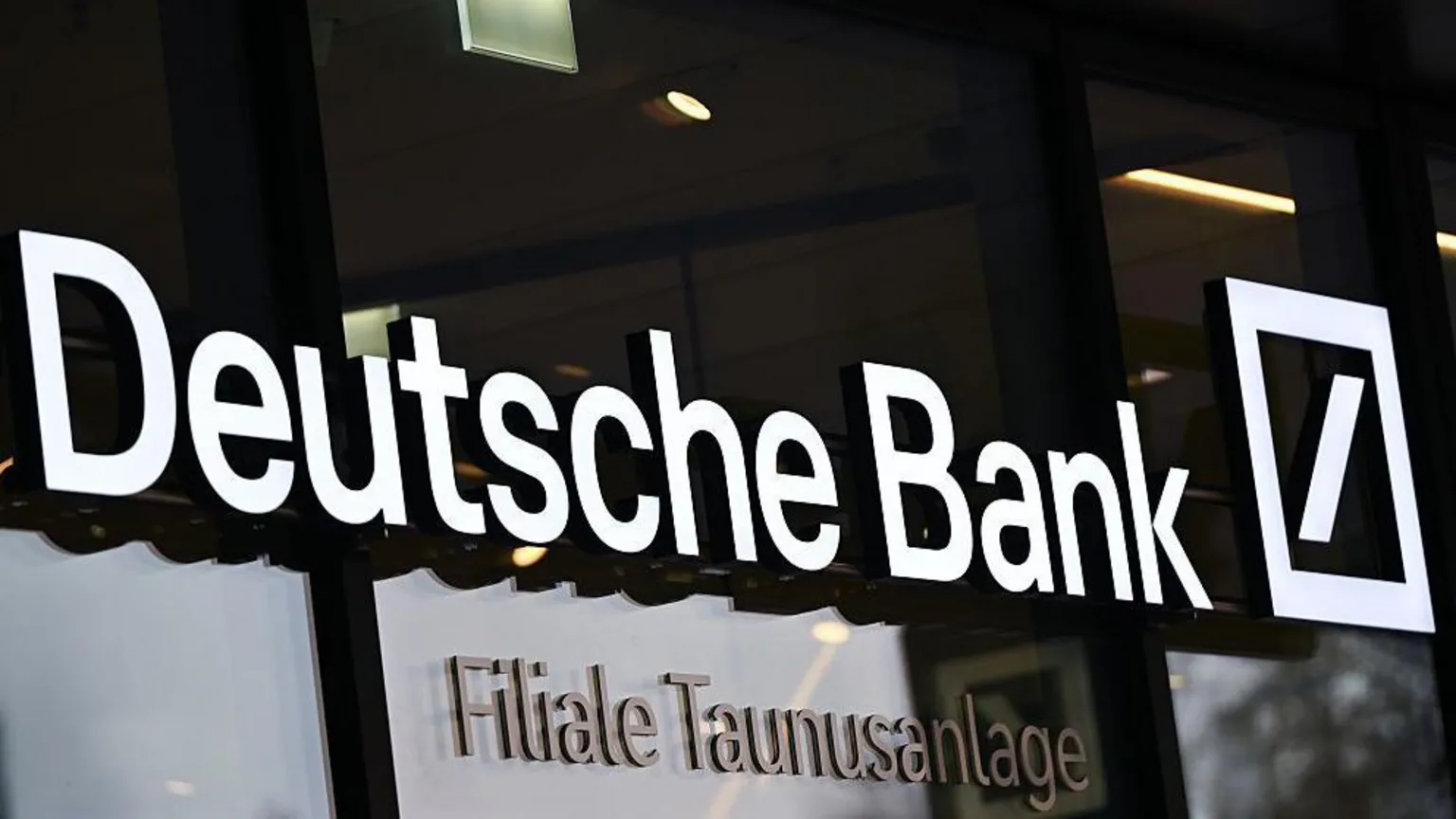
- 1/28/2026: Deutsche Bank HQ Raid over Money Laundering – Prosecutors seized documents on €1.5 billion suspicious flows.
Patterns emerge: Crimes grow bolder, blending physical force with financial plumbing. Past syndicates like RAF politicized crime; today's org-crime exploits banks as laundering hubs, per Europol's 2025 TE-SAT report noting 25% rise in clan-bank ties.
The Deutsche Bank Raid: A Case Study in Financial Crime
The January 28, 2026, raid on Deutsche Bank's Frankfurt HQ epitomizes this organized crime-financial nexus. Over 100 officers from Frankfurt prosecutors and BKA stormed offices, seizing servers and documents amid a money-laundering probe tied to €1.5 billion in suspicious transactions (MyJoyOnline, Jan 29, 2026). Targets include "Project Phoenix," alleged shell-company networks funneling drug/heist proceeds.
Details: Investigations stem from FinCEN files leaked in 2020, refreshed by 2025 whistleblowers. Deutsche Bank, already fined €725 million in 2021 for Russian laundering, faces claims of ignoring red flags on clan-linked accounts. X post by @Finanzwache: "DB raid: Not isolated—clans use banks like ATMs."
Implications ripple sector-wide. Germany's €3.5 trillion banking assets are vulnerable; BaFin (financial regulator) reports 15% of 2025 SARs (suspicious activity reports) involve org-crime. Investor flight hit DB shares -4.2% post-raid. Broader: Erodes Frankfurt's EU finance hub status, pushing calls for EU-wide AML (anti-money laundering) harmonization.
This isn't rogue employees; it's systemic. Historical echo: 1930s Danatbank collapse from fraud enabled Nazi rise. Today, unchecked flows fund heists, closing the org-crime-financial loop.
The Role of Organized Crime in Recent Heists
Organized crime's fingerprints mar recent heists, elevating them from smash-grabs to operations rivaling historical syndicates. Gelsenkirchen's €30 million haul involved 12 perpetrators using thermal lances and encrypted comms—hallmarks of "Remi" clans (BKA designation for Balkan-Lebanese hybrids).
Comparative analysis: 1977 RAF Lufthansa heist (€5 million adjusted) relied on insider threats; today's add cyber-jamming (Gelsenkirchen disabled alarms via malware). Duisburg 2009 clans used violence; 2025 heists prioritize stealth, netting 3x yields.
Europol data: Germany's 162 org-crime groups (2025) generate €10-15 billion annually, 40% via drugs laundered through banks. Social media buzz: Reddit's r/de thread links heists to "Turkish mafia," with users citing BKA chatter intercepts.
This sophistication—drone scouts, 3D-printed tools—stems from global alliances, e.g., 'Ndrangheta-Marseille port ties supplying weapons.
Government Response and Policy Changes
Berlin's response blends carrots and sticks. Post-heists, Faeser's "Safe Streets 2026" allocates €500 million: 2,000 new cyber-cops, AI surveillance in 50 cities. Effectiveness? Mixed. 2025 clan arrests rose 18%, but recidivism hits 35% (BKA).
Key measures:
- AML Overhaul: BaFin mandates real-time transaction AI screening; post-DB raid, fines tripled to €50 million cap.
- Clan Crackdowns: "Operation Clanfall" deported 150 members since 2024.
- Public Safety: "Neighborhood Watch 2.0" apps report 20% more tips.
Critics note gaps: Privacy advocates decry surveillance; effectiveness lags—crime clearance rates dipped to 52% for org-crime. Historical parallel: 1970s RAF hunts expanded Stasi-like powers, backfiring politically.
Looking Ahead: Predicting the Future of Crime in Germany
Data trajectories foretell turbulence. BKA models predict 15-20% org-crime growth by 2028, driven by AI tools. Emerging threats: Cyber-financial hybrids, e.g., ransomware on banks (2025 incidents up 30%). Heists evolve to "virtual"—phishing vaults via deepfakes.
Predictions:
- Cyber-Financial Surge: Post-DB, 40% of laundering shifts digital; clans adopt crypto-mixers, per Chainalysis 2026 forecast (€2 billion German flows).
- Regulatory Backlash: Public pressure (75% favor stricter AML per Infratest) spurs "Finance Fortress Act" by mid-2026—mandatory blockchain audits, EU-wide.
- Hybrid Escalation: Politicized attacks like Berlin outage proliferate, blending crime with extremism amid elections.
- Clan Fragmentation: Pressure fragments groups into agile cells, boosting efficiency.
Optimism tempers: If policies integrate EU intel-sharing (up 25% efficacy per Europol), containment possible. Yet, without addressing root migration-economy strains, Germany's crime evolution risks entrenching.
This nexus demands vigilance—Germany's stability hangs on severing org-crime's financial lifelines.
Amara Diallo covers European security with a focus on transnational threats for The World Now.