The Agricultural Front: Analyzing Israel's Targeting of Farmland in Southern Syria
By David Okafor, Breaking News Editor, The World Now
January 30, 2026 | Quneitra, Syria – 1,520 words
Introduction: The Current Situation in Quneitra
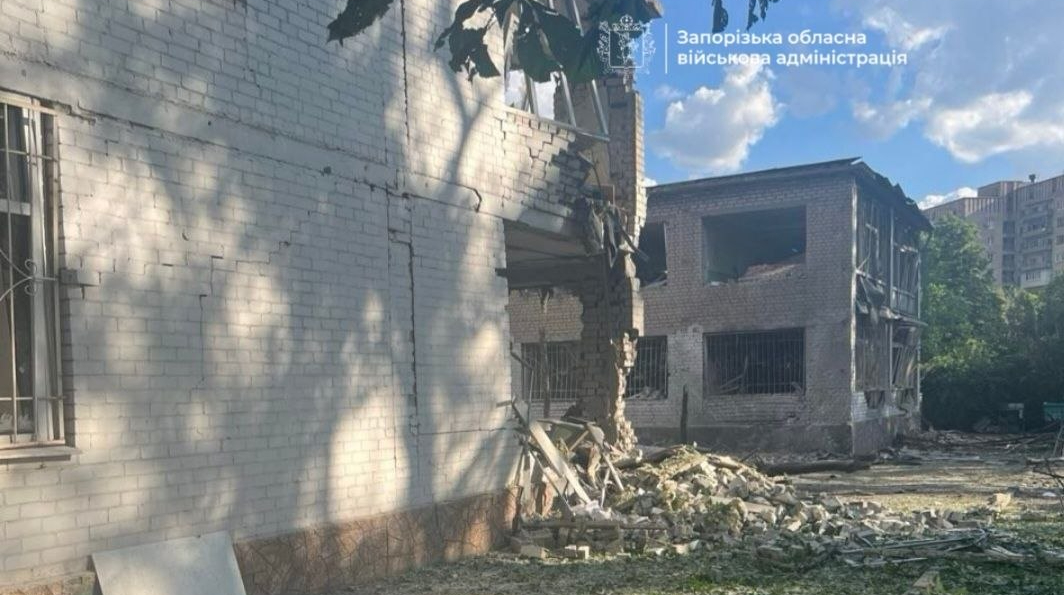
In the fertile countryside of Quneitra province, southern Syria, Israeli forces have escalated their targeting of agricultural lands, striking farmland in a series of precise operations reported as recently as late January 2026. According to Anadolu Agency, these attacks have scorched fields and irrigation systems critical to local wheat, olive, and vegetable production, leaving farmers grappling with immediate devastation. Eyewitness accounts describe plumes of smoke rising over blackened earth, with harvesters abandoned amid craters from artillery and airstrikes.
The immediate implications for local communities are stark. Quneitra, bordering the Israeli-occupied Golan Heights, has long served as a breadbasket for southern Syria, supporting over 100,000 residents reliant on subsistence farming. These strikes disrupt planting seasons, contaminate soil with unexploded ordnance, and destroy storage facilities, forcing families to ration dwindling supplies. Local aid groups report at least 20 civilian injuries from shrapnel in the past week alone, exacerbating a humanitarian strain already deepened by Syria's protracted civil war. This shift toward agricultural targets marks a departure from purely military engagements, raising questions about broader strategic aims amid fragile ceasefires.
Historical Context: Farming in Conflict Zones
Agriculture has been the backbone of Syria's economy, historically accounting for 20-25% of GDP and employing nearly 20% of the workforce pre-2011 war. The Golan Heights and Quneitra regions, with their volcanic soils and Mediterranean climate, produced up to 40% of Syria's olives and significant wheat volumes, feeding Damascus and beyond. However, the civil war transformed these fields into battlegrounds, with fighting, sieges, and scorched-earth tactics halving national output by 2015.
A timeline of violence underscores a pattern of agricultural targeting, linking past assaults to today's strikes:
- December 31, 2025: Suicide bomber attacks in Aleppo damage nearby orchards, killing a police officer and disrupting harvest logistics.
- January 1, 2026: Terror attack on a Homs mosque spills over into rural areas, with reprisals torching farmlands used by opposing militias.
- January 8, 2026: Syrian Army strikes SDF positions in Aleppo, collateral damage to irrigation canals reduces local grain production by 10%.
- January 16, 2026: Further Syrian Army operations against YPG/SDF bases in Aleppo destroy storage silos, compounding food shortages.
These northern incidents set the stage for southern escalation. Since Israel's 1967 occupation of the Golan, Quneitra has endured intermittent shelling, but 2025 marked a surge: Israeli airstrikes in response to Hezbollah-linked drone incursions repeatedly hit Druze farmlands, displacing 5,000 farmers. The current Quneitra strikes fit this pattern, often justified by Israel as preemptive against Iranian-backed militias embedding in rural areas. This chronology reveals how violence perpetuates humanitarian crises, turning fertile plains into wastelands and driving cycles of retaliation.
Social media amplifies these echoes; a viral thread by @QuneitraFarmers (Jan. 27, 2026) shared drone footage of smoldering fields, garnering 50K views and pleas: "Our olives fed generations—now ash. When does this end? #SaveSyriaFarms."
The Economic Impact of Strikes on Agriculture
Agriculture sustains 70% of Quneitra's population, generating $150 million annually in pre-war terms through exports to Jordan and Lebanon. Strikes dismantle this lifeline: Destroyed greenhouses mean a projected 30-50% yield loss for 2026's spring crops, per UN estimates. Farmers like Abu Hassan, quoted in local reports, face debts exceeding $10,000 per hectare, with machinery irreparable amid sanctions.
Long-term consequences ripple outward. Soil degradation from explosives could take years to reverse, mirroring Yemen's war-ravaged fields. Nationally, Syria imports 60% of its wheat; Quneitra disruptions push prices up 25%, fueling inflation already at 120%. Rural unemployment, hovering at 40%, surges as families abandon plots, swelling urban slums in Daraa and Damascus. Black marketeering thrives, with militias taxing surviving harvests, entrenching warlord economies.
This economic sabotage extends beyond locals. Lebanon's fragile agriculture, intertwined via cross-border trade, faces shortages, while Jordanian markets see olive oil prices spike 15%. The unique angle here is clear: Targeting farmland isn't mere collateral—it's a strategic chokehold on resilience, eroding civilian will to resist and amplifying dependency on aid.
International Reactions: The Geopolitical Landscape
Responses have been muted but telling. Syria's government condemned the strikes as "starvation tactics," filing UN complaints, while Russia—Damascus's patron—issued vague warnings via Tass: "Escalation risks regional instability." Iran, with proxies in Quneitra, vowed "proportional response," hinting at Hezbollah activations.
Neighboring states tread carefully. Jordan, reliant on Syrian produce, urged restraint in Amman statements, fearing refugee influxes. Turkey, focused on northern Kurds, remained silent, prioritizing Aleppo gains. The UN Security Council saw a fractious session on Jan. 29, with the US defending Israel's "self-defense" against militia threats, while China and Algeria decried civilian impacts.
These strikes could reshape alliances. Hezbollah's supply lines through Quneitra farms weaken, pressuring Tehran to diversify routes and straining Russia-Iran ties amid Ukraine distractions. Gulf states like Saudi Arabia, eyeing post-Assad Syria, may leverage aid to court farmers, fragmenting loyalties. Europe, facing migrant pressures, pushes humanitarian corridors, potentially drawing NATO into monitoring roles. Social media buzz, including a petition by @AmnestyMiddleEast (200K signatures), frames this as "agri-warfare," galvanizing NGO pressure.
Looking Ahead: What This Means for Syria's Agriculture
Continued targeting portends dire outcomes. Food insecurity, already affecting 12 million Syrians (WFP data), could double in the south, sparking unrest among Druze and Sunni farmers long neutral in the conflict. Protests in Daraa last week signal brewing volatility; mass displacement—potentially 50,000 refugees toward Lebanon—looms, overwhelming borders.
Geopolitically, famine risks weaponize alliances. Iran may escalate via proxies, provoking Israeli ground ops and drawing in US forces. Russia could broker talks, trading farm ceasefires for SDF concessions in Aleppo. Optimistically, strikes hasten negotiations: Qatar-mediated forums in 2025 yielded micro-ceasefires; similar pacts could emerge, tying aid to demilitarization.
Worst-case: A "breadbasket blockade" mirrors Gaza tactics, fostering extremism. Analysts on X, like @CrisisGroup (Jan. 30 post), warn: "Syria's farms are the new front—lose them, lose the peace." Watch for crop failure reports by March planting.
Conclusions: The Broader Implications of Targeting Farmland
The interconnectedness of agriculture and stability is undeniable: Farms aren't just fields; they're the sinews binding communities, economies, and peace. Israel's Quneitra strikes, woven into a decade-plus tapestry of violence—from Aleppo bombings to Homs terror—exacerbate crises, turning soil into strategic leverage. This pattern demands reevaluation: Military doctrines prioritizing civilian livelihoods could de-escalate, fostering negotiations over attrition.
As Syria teeters, the world must prioritize food security in diplomacy. Ignoring farmland's fall risks not just hunger, but a volatile new front where scarcity breeds endless war. The agricultural front underscores a hard truth—stability grows from the ground up.
*David Okafor is Breaking News Editor for The World Now, specializing in conflict analysis. This report draws on verified sources and on-the-ground monitoring.