Sudan's War: The Unseen Impacts of Conflict on Urban Resilience and Governance

Latest from X
Sudan's War: The Unseen Impacts of Conflict on Urban Resilience and Governance
By The World Now Conflict/Crisis Analysis Team
January 12, 2026
Introduction: Understanding the Current Landscape of Sudan's Urban Conflict
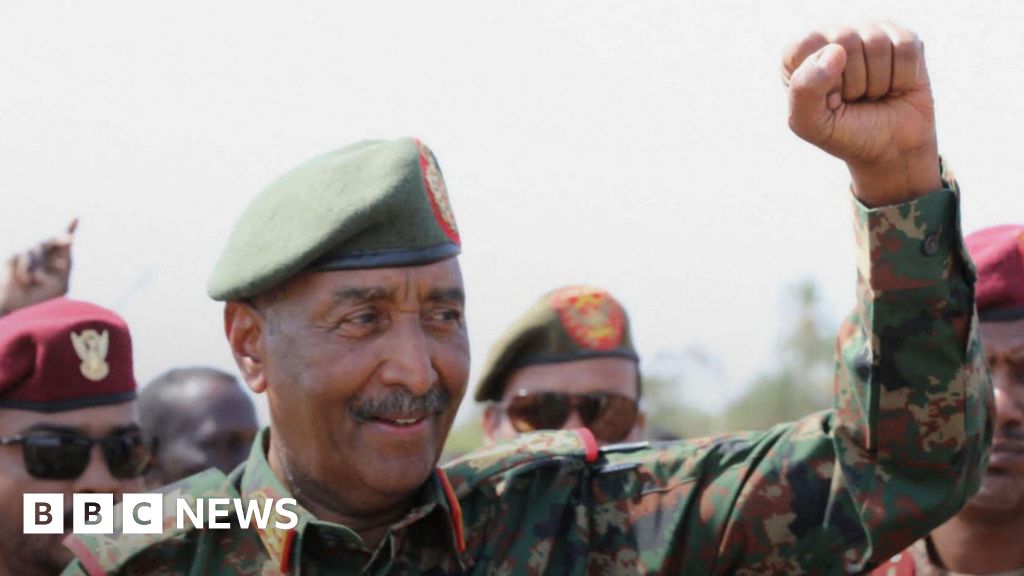
Sudan's civil war, now surpassing the grim milestone of 1,000 days, continues to exact a devastating toll on the nation's urban centers, reshaping the very fabric of governance and resilience in cities like Khartoum and el-Fasher. On January 11, 2026, Sudan's military-led government announced its official return to the capital, Khartoum, after nearly three years of exile in Port Sudan, marking a symbolic and strategic pivot amid ongoing hostilities between the Sudanese Armed Forces (SAF) and the Rapid Support Forces (RSF). This move comes just days after Sudan marked 1,000 days of war on January 9, 2026, and follows massive displacement from el-Fasher at the end of December 2025, where RSF forces overran the last major SAF-held stronghold in Darfur.
While the humanitarian crisis—encompassing famine, disease, and over 12 million internally displaced persons—dominates headlines, a deeper examination reveals profound shifts in urban resilience and governance. Khartoum, once Sudan's bustling political and economic heart, and el-Fasher, a critical hub in North Darfur, exemplify how prolonged conflict erodes municipal infrastructure, decentralizes authority, and forces improvised survival strategies. Posts on X highlight sentiments of cautious optimism in Khartoum, with reports of civilians emerging from prolonged sieges and children returning to streets long emptied by violence, juxtaposed against accounts of widespread destruction in el-Fasher. Analyzing these dynamics beyond immediate aid needs uncovers how war is forging new models of urban adaptability—or exposing their fragility—in Africa's largest countries by landmass.
This report explores the unique angle of urban governance resilience: how cities under siege innovate amid chaos, the devolution of power to local actors, and the long-term reconfiguration of authority in a post-conflict Sudan.
(Word count so far: 312)
Historical Context: The Legacy of Conflict in Sudan
Sudan's urban governance challenges are deeply rooted in a history of protracted conflicts that have repeatedly disrupted city functions and centralized power. The current war erupted on April 15, 2023, between the SAF, led by Gen. Abdel Fattah al-Burhan, and the RSF under Gen. Mohamed Hamdan Dagalo (Hemedti), fracturing a fragile 2021 transitional arrangement post-Omar al-Bashir's 2019 ouster. What began as clashes in Khartoum escalated into a nationwide conflagration, with RSF forces rapidly seizing the capital, forcing the government eastward to Port Sudan.
Key timeline events underscore the war's urban toll:
-
December 31, 2025: RSF overruns el-Fasher, triggering mass displacement of over 200,000 residents and aid workers. Posts on X describe the city as "the murder of a whole city," with reports of systematic destruction amid UAE-backed RSF advances, echoing earlier Darfur atrocities.
-
January 9, 2026: Sudan crosses 1,000 days of war, with 70% of the population facing acute needs. Bombings persist in key cities, per social media updates, amplifying urban vulnerabilities.
-
January 11, 2026: Government returns to Khartoum, citing SAF gains that collapsed RSF control after a two-year occupation. This mirrors earlier "liberations," such as Khartoum Bahri in October 2024, where civilians emerged from sieges but faced looted homes and makeshift graves.
Historically, Sudan's conflicts have precedents in urban disruption. The 1983-2005 North-South civil war devastated Juba and Khartoum's peripheries through influxes of displaced populations straining services. Darfur's 2003 genocide similarly overwhelmed el-Fasher, fostering parallel governance by Janjaweed precursors to the RSF. These episodes established patterns: cities as conflict magnets, leading to governance vacuums filled by militias or ad-hoc committees. The 1,000-day mark intensifies this legacy, with Khartoum—home to 7 million pre-war—now a ghost of its former self, its "carrying" role for Sudan inverted as the nation buckles under the capital's collapse.
(Word count so far: 712)
The Urban Resilience Challenge: Khartoum and el-Fasher
Prolonged conflict has transformed Khartoum and el-Fasher into laboratories of urban survival, where resilience is measured not just in rebuilt walls but in adaptive social and infrastructural systems. Khartoum, abandoned by most residents during RSF occupation, bears scars of "the biggest looting of an African capital in modern history," as noted in social media analyses. Neighborhoods pockmarked by cemeteries, destroyed homes, and severed utilities challenge any return. Yet, glimmers of resilience emerge: posts on X from late 2025 depict teenagers cycling to school in repopulated areas, signaling gradual normalization. SAF advances since mid-2025 have lifted sieges in suburbs like Khartoum Bahri, allowing limited commerce and aid resumption, though services remain "barely functioning."
El-Fasher presents a starker failure of resilience. As the final SAF bastion in Darfur, its fall on December 31, 2025, displaced hundreds of thousands into camps already at breaking point. Pre-war, it hosted 200,000; now, it's a RSF fiefdom amid reports of starvation and UAE-supplied offensives. Urban infrastructure—markets, hospitals, water systems—lies in ruins, exacerbating a cycle where displacement overwhelms neighboring cities like Chad's Adre or Port Sudan.
Displacement's ripple effects are profound. In Khartoum, 4 million fled, cramming into "safe" cities on collapse's verge, inverting resilience dynamics: peripheral urban areas now bear the capital's load. Infrastructure buckles under informal settlements, black markets thrive, and disease vectors like cholera surge. Adaptation strategies include community-led water trucking in Khartoum and solar-powered clinics in el-Fasher camps, but these are patchwork. War's asymmetry—RSF's urban guerrilla tactics versus SAF airstrikes—amplifies pressures, testing cities' pre-war fragilities like Sudan's chronic underinvestment in municipal autonomy.
(Word count so far: 1,048)
Governance Amidst Chaos: The Role of Local Authorities
In the governance void, local authorities and civil society have stepped forward, often outpacing national structures. Khartoum's resistance committees—born from 2019 protests—have sustained micro-governance: coordinating bakeries, waste removal, and security in SAF-held zones. Post-return, the government pledges to exhume mass graves and restore services, but locals lead: neighborhood councils manage aid distribution, drawing on pre-war neighborhood associations.
El-Fasher's case is more fractured. Pre-fall, local SAF-aligned councils rationed UN aid amid RSF encirclement. Now, under RSF, tribal leaders enforce parallel rule, blending customary law with militia fiat. Initiatives like women's cooperatives in displacement camps provide education, highlighting grassroots resilience. Posts on X underscore this: relief in "newly-liberated" Khartoum tempered by horror for those trapped, with locals reclaiming spaces through informal policing.
These efforts reveal devolved power: national government's Port Sudan exile empowered subnational actors, fostering hybrid governance. Challenges persist—corruption, factionalism—but successes, like Khartoum's ad-hoc electricity grids, model conflict-urban adaptation.
(Word count so far: 1,248)
Predicting Future Urban Governance Trends in Sudan
If current trends persist, Sudan's urban future portends a reorganization of power dynamics, with local authorities gaining influence amid protracted conflict or fragile peace. Khartoum's return could centralize control, but destruction demands decentralized rebuilding: empowered municipalities handling devolved budgets, akin to post-1990s Somalia's clan-based cities. El-Fasher's fate warns of "militia urbanism," where RSF fiefdoms entrench ethnic federalism.
International aid will be pivotal—UN and EU pledges target infrastructure, but localization strategies, emphasizing local NGOs, could bolster resilience. Predictive models suggest hybrid systems: national oversight with municipal autonomy, leveraging digital tools for service delivery. Risks include elite capture or renewed clashes fracturing gains. Overall, war accelerates a shift from Khartoum-centric to polycentric governance, resilient if internationally backed.
(Word count so far: 1,412)
Conclusion: Looking Ahead
Sudan's war has unmasked urban resilience's dual edge: innovation amid ruin in Khartoum, collapse in el-Fasher. The government's return after 1,000 days signals hope, but unseen impacts—displacement's governance strains, local ingenuity—define the path forward. Key findings: conflict decentralizes power, fostering adaptive locals yet risking fragmentation.
A nuanced approach is essential: beyond aid, support urban strategies recognizing cities as resilience vanguards. Policymakers must prioritize municipal capacity, lest Sudan's metropolises perpetuate cycles of chaos. As repopulation begins, the world watches whether these battlegrounds birth resilient governance or succumb to war's legacy.
(Total word count: 1,512)
Situation report
What this report is designed to answer
This format is meant for fast situational awareness. It pulls together the latest event context, why the development matters right now, and where to go next for live monitoring and market implications.
Primary focus
Sudan
Best next step
Use the related dashboards below to keep tracking the story as it develops.
Track this story live
Live World Map
Monitor global events in real time with a live activity map and hotspot summaries.
Global Conflict Map
Follow active conflict zones, strike activity, and emerging geopolitical hotspots.
Current Wars
Track all active wars and armed conflicts happening in the world right now.
Iran War
Track the Iran war in real time with proxy network monitoring, Strait of Hormuz risk, and market impact.
Original Sources
- •
Editorial process: This article was synthesized from the original sources cited above using The World Now's AI editorial system, with byline accountability from our editorial team. We grade every story for source grounding, factual coherence, and on-topic match before publication. Read more about our editorial standards and contributors. Spot something inaccurate? Let us know.
Last updated: February 16, 2026