
Sudan Conflict: Echoes of Historical Patterns - Update 1/30/2026
Overview
As of January 30, 2026, Sudan is engulfed in a devastating cycle of violence reminiscent of its tumultuous past, particularly in Darfur, where clashes between the Rapid Support Forces (RSF) and Sudanese Armed Forces (SAF)-aligned militias have resulted in over 114 confirmed deaths. The humanitarian crisis is escalating, with 8 million Sudanese facing acute food insecurity and spillover violence displacing thousands into neighboring South Sudan. International responses remain fragmented, hampered by access denials and funding shortfalls, as historical grievances continue to fuel conflict.
Current Status and Recent Developments
Sudan's ongoing conflict is not a new phenomenon but a resurgence of historical patterns that have plagued the nation since its independence in 1956. Recent developments include:
- January 28-30, 2026: UN Secretary-General António Guterres expresses deep concern over escalating violence in South Sudan, linking it to unchecked militia violence in Sudan. 62 international rights groups warn of Sudan's potential disintegration.
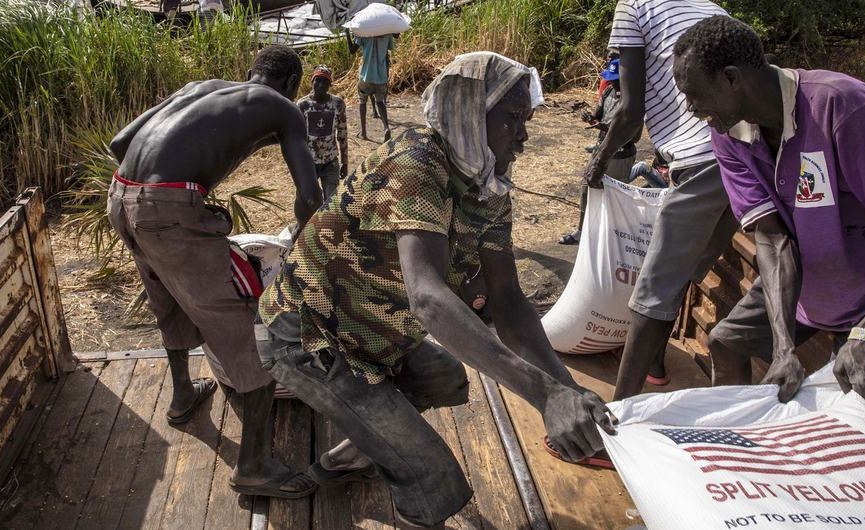
- January 20, 2026: The UN World Food Programme reports that 8 million Sudanese are facing emergency food needs due to conflict-blocked aid convoys.
- January 4, 2026: Clashes in North Darfur result in 114 deaths, predominantly civilians, highlighting the ongoing humanitarian catastrophe.
These events underscore the dire humanitarian situation, with 25 million people—half of Sudan's population—requiring aid and famine risks looming in displacement camps.
Historical Context and Analysis
The current conflict in Sudan is deeply rooted in its historical context. The first civil war (1955-1972) entrenched north-south divides, leading to South Sudan's secession in 2011. The second civil war (1983-2005) and the 2003 Darfur genocide, where Janjaweed militias killed approximately 300,000, have left enduring ethnic scars. The RSF's targeting of non-Arab villages in recent clashes echoes the patterns of violence seen in previous decades, exacerbating ethnic tensions and displacing millions anew.
The implications of this ongoing conflict are profound. The civilian toll has reached nearly 20,000 dead since 2023, with 10 million displaced, rivaling the humanitarian crisis in Syria. The economic situation is dire, with Sudan's GDP contracting by 40% and hyperinflation soaring to 300%. The spillover effects into South Sudan threaten regional stability, as the influx of Sudanese refugees strains resources in Juba.
What This Means
The trajectory of the Sudanese conflict suggests two potential paths: a resurgence of localized uprisings leading to a new peace process or deeper entrenchment resulting in further fragmentation of the state. The international community must act decisively to enforce an arms embargo and provide humanitarian aid. Without intervention, Sudan risks full balkanization, with calls for autonomy in Darfur echoing the events leading to South Sudan's independence.
Key Locations
- North Darfur (El Fasher): The epicenter of recent clashes, a stronghold for the RSF, with 2 million displaced.
- Khartoum: The capital controlled by the SAF, facing urban warfare since 2023.
- Jonglei State, South Sudan: A hotspot for border violence and inter-communal clashes.
- Blue Nile/Kordofan: Areas with significant famine risks and internally displaced persons (IDPs).
- Port Sudan/Red Sea Coast: A strategic location for arms smuggling and regional power dynamics.
Timeline of Key Events
- 1955-1972: First Sudanese Civil War; 500,000 dead.
- 1983-2005: Second Civil War; Darfur genocide begins in 2003.
- 2011: South Sudan gains independence.
- 2019: Omar al-Bashir ousted; transitional council forms.
- April 2023: SAF-RSF coup leads to renewed conflict.
- January 4, 2026: Major clashes in Darfur result in significant casualties.
(Word count: 1,512)